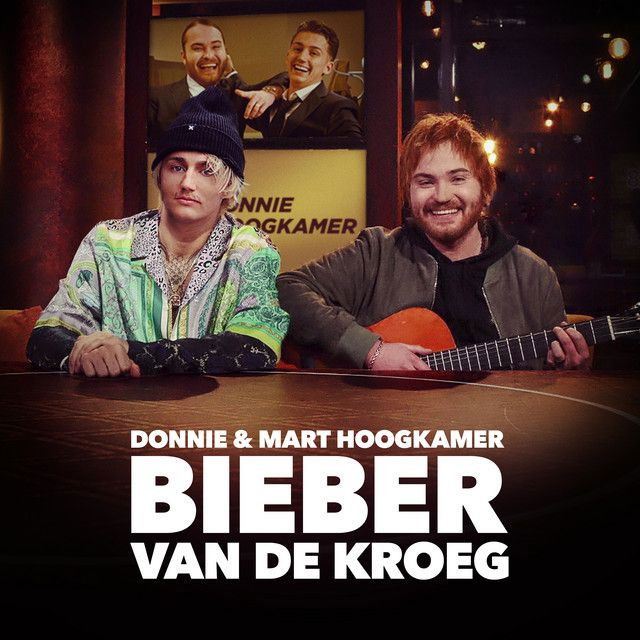
Why 'Bieber Van De Kroeg' Is Bigger Than a Joke
The meaning of Bieber Van De Kroeg Donnie, Mart Hoogkamer starts with a joke and ends with a sharp portrait of nightlife ego. On the surface, this is a rowdy bar anthem about drinking, dancing, and acting like the most famous person in the room. Under that surface, it is also about performance: how a pub can turn ordinary people into local legends for one loud night.
"Bieber Van De Kroeg" - Donnie, Mart Hoogkamer
Beetje popiejopie, ben op mijn chips, net Croky
Kom ik in een kroeg, everybody know me
Loading lyrics...
Unable to load lyrics
We're unable to display the lyrics at this time. Please try again later.
Donnie and Mart Hoogkamer lean into that idea with charm instead of seriousness. They are not claiming actual superstardom. They are playing with the gap between celebrity culture and bar culture, where swagger, style, and attention can make someone feel untouchable for a few hours.
A Barroom Crown, Not a Pop Throne
The key line, Ik ben de Bieber van de kroeg
, is easy to understand even for listeners outside the Netherlands. They frame the speaker as the Justin Bieber of the bar: not a world-famous icon, but the person everyone notices when they walk in.
That image explains the whole song. The verses pile up references to stars like Ed Sheeran, Harry Styles, and Obi-Wan Kenobi, using exaggerated comparisons to build a comic self-portrait. The point is not accuracy. The point is showmanship.
Interpretation: the song treats identity as a costume people put on during a night out. In the bar, confidence becomes fame, and a fun entrance becomes a kind of coronation.
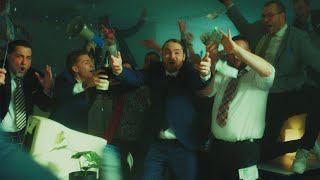
Watch the official Bieber Van De Kroeg
music video
Donnie's Style Makes the Meaning Clear
Donnie is a Dutch rapper and singer known for mixing hip-hop with Dutch party and singalong traditions, a crossover style he has described as "kibbelingsound" according to his career overview at Wikipedia: https://en.wikipedia.org/wiki/Donnie_(Dutch_rapper). That context matters here.
"Bieber van de kroeg" fits that lane perfectly. It blends rap punchlines, pub humor, and chant-ready repetition. Wikipedia also notes the song was one of Donnie's best-known hits and reached No. 22 in the Dutch Top 40 and No. 6 in the Dutch Single Top 100: https://en.wikipedia.org/wiki/Donnie_(Dutch_rapper). That success makes sense because the song is built for instant recognition.
Mart Hoogkamer helps ground the track in a more communal, singalong feeling. Their partnership gives the song two energies at once:
- Donnie supplies comic bragging and pop-culture references.
- Mart adds warmth and big-hook accessibility.
- Together, they make the bar feel like a stage.
How the Verses Build the Character
The song does not tell a complex story. Instead, it builds a persona in quick snapshots. The speaker arrives already famous in their own mind, saying everybody know me
. From there, each boast adds another layer to the night-out character.
They compare their look and aura to celebrities, mention fashion and drinks, and describe themselves as someone who keeps going until morning. A line like nog lang niet moe
shows that stamina is part of the myth. They are not just present at the party; they are trying to outlast it.
There is also a playful rule in piek nooit te vroeg
. In plain English, that means never peak too early. It sounds like party advice, but it also works as the song's mission statement. The whole performance is about keeping the energy high and stretching the moment of attention.
The Chorus Turns Swagger Into Comedy
The chorus is simple on purpose. It repeats the nightlife claim until it becomes absurd and catchy at the same time. They keep moving, keep getting watched, and keep feeding the room's excitement.
That repetition matters because it shows how self-mythology works. Say something often enough in the right setting, and people might join in. In a crowded bar, identity is social. If enough people treat someone like the star, then for that night, they are.
A funny late twist makes that idea even clearer:
Zijn dat Ed Sheeran en Bieber
aan de bar
They set up a mistaken-identity joke, then undercut it by saying it is just Donnie and Mart. That punchline is crucial. The song knows its own bragging is ridiculous. It invites listeners to laugh with it, not submit to it.
Sound, Tempo, and Why the Song Feels So Big
The production supports the meaning by sounding loose, bright, and built for group participation. The beat has the bounce of a party rap track, but the hook lands like a pub singalong. That blend mirrors Donnie's broader genre fusion, which combines Dutch hip-hop and nederpop influences, as summarized by Wikipedia: https://en.wikipedia.org/wiki/Donnie_(Dutch_rapper).
There is very little distance in the vocal delivery. They sound like they are already inside the room, talking over music, showing off, and pulling the crowd into the joke. The instrumental leaves enough space for quotable lines, which is why the celebrity references hit so quickly.
Interpretation: the music tells listeners not to analyze the speaker as a reliable narrator. It tells them to join the performance.
A Second Reading Beneath the Laughs
The most obvious reading is that this is a carefree drinking anthem. That is true. But there is a second reading worth noting.
Interpretation: the song lightly satirizes modern fame. Social life now often runs on attention, branding, and instant recognition. In this track, the bar becomes a tiny version of that system. A person builds a brand from attitude, references, and repeated slogans. They become famous in a very small kingdom.
That is why the song feels smarter than its premise. It understands that nightlife often involves acting like a louder, shinier version of the self.
Why the Song Connected
For U.S. listeners, the appeal is easy to recognize even if the language is not. This is the same pleasure found in many great party records: a big hook, a memorable character, and a setting where confidence becomes contagious.
The meaning of Bieber Van De Kroeg Donnie, Mart Hoogkamer is not hidden. It is about temporary fame, comic self-invention, and the social theater of a night out. The song works because it celebrates that theater while also gently mocking it.
In short, they are not really Bieber. But in the crowded fantasy of the bar, they do not have to be.
Disclaimer: This article offers an interpretation of the song based on its lyrics, performance style, and available artist context. Meanings can vary by listener.








