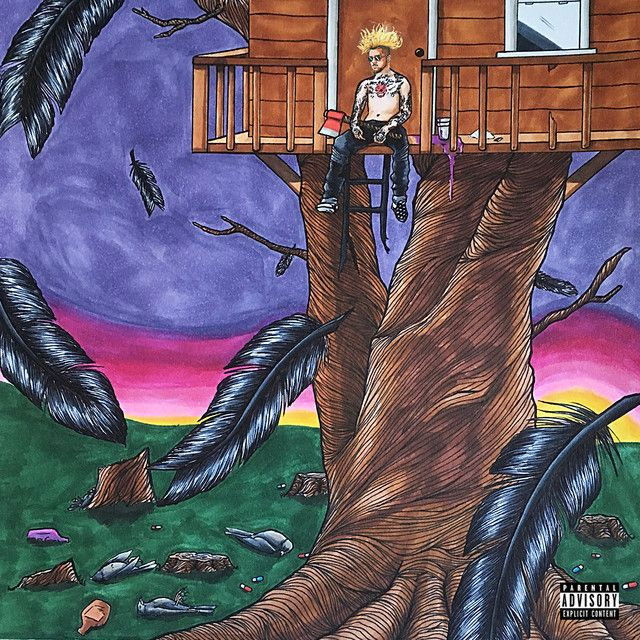
Why Doobie's Drug Anthem Sounds So Empty
The meaning of When the Drugs Don't Work Doobie comes down to one uneasy question: what is left when the high fades and the hurt stays? On the surface, the track is packed with drug references, boasts, and rude jokes. But the title line gives the song its real center of gravity.
"When the Drugs Don't Work" - Doobie
Girl, you a fool if you think love don't hurt
You ain't heard?
Loading lyrics...
Unable to load lyrics
We're unable to display the lyrics at this time. Please try again later.
Instead of sounding calm or in control, they sound cornered. The record keeps returning to the fear inside the hook, and that fear changes how the verses land.
The Hook Hides the Real Panic
The song’s clearest emotional clue is the repeated question, what am I gonna do
. Paraphrased, they are not just talking about taking substances. They are asking what happens when their main coping tool stops numbing pain.
That matters because the next idea connects drugs to romance. The line love don't hurt
is framed like a warning to someone else, but it also sounds like a confession. They are saying heartbreak is real, and chemicals are one way they try to outrun it.
Interpretation: the title works as both a literal addiction line and a larger metaphor. In one reading, it is about tolerance and dependence. In another, it is about emotional avoidance: when money, fame, sex, and drugs stop covering the wound, the wound is still there.
Watch the official When the Drugs Don't Work
music video
Flexing, Then Cracking
Most of the verses are built like a victory lap. They brag about drugs, money, women, and being too high to care. Phrases like too treed
and peace out
create a reckless, detached voice.
But the bragging is so nonstop that it begins to reveal insecurity instead of strength. They keep listing highs, powders, and wild scenes, almost as if saying more will make the emptiness disappear. It never does.
That is why the line about someone who blew it
matters. Beneath all the swagger, there is a breakup or at least a broken connection. The song hints that fame came after loss, not before it. They blew up, but the relationship still collapsed.
A Quick Narrative Map
Here is the song’s emotional timeline:
- They ask what happens when drugs stop working.
- They tie that fear to romantic pain.
- They bury that pain under boasts and intoxication.
- The chorus returns and exposes the panic again.
That cycle is the song. Every flex circles back to the same empty place.
The Cobain Namecheck Adds a Dark Shadow
One of the song’s most striking moments is the phrase first name Kurt
. That reference pulls in the image of Kurt Cobain, a figure often associated with pain, addiction, and self-destruction in popular memory. Even without over-explaining it, the mention adds danger.
It also shows how the song uses celebrity imagery as shorthand. They are not just saying they get high. They are placing themselves in a myth of damaged fame, where excess becomes part of identity.
Interpretation: this could be read as provocation for shock value. It could also be read as self-mythologizing, where they compare their chaos to a larger cultural symbol. Either way, the result is unsettling rather than glamorous.
The Sound Makes the Meaning Harsher
The production supports that reading. Even without a lot of melodic softness, the song moves with a repetitive, chant-like structure. The hook sticks because it is simple and heavy, while the verses pile images quickly, creating a dizzy effect.
That contrast matters. The busy verses feel intoxicated, almost manic. Then the hook lands like a comedown. The repetition of the title question turns it into an intrusive thought.
The weed-grinder refrain also works musically and thematically. It sounds routine, almost casual, which is the point. Rolling up and getting higher becomes a daily process, not a dramatic event. That normalizing effect makes the addiction imagery feel more real.
A Useful Contrast With The Verve Title
Because the title echoes The Verve’s famous song “The Drugs Don’t Work,” some listeners may assume a direct emotional similarity. Factually, The Verve’s song was written by Richard Ashcroft and has often been understood as a grief song as much as a song about drugs; Ashcroft said he wrote it out of love for someone
and resisted locking it into one fixed meaning, according to Songfacts.
That comparison is useful because Doobie’s track is much more blunt, physical, and chaotic. Still, both songs circle the same larger idea: drugs are a poor answer to deep pain. The difference is style. The Verve frame it as sorrow and loss; Doobie frames it as intoxicated collapse.
So What Is the Song Really Saying?
The meaning of When the Drugs Don't Work Doobie is not subtle, but it is more layered than it first appears. On one level, they are describing a life built on coke, weed, and being constantly altered. On another, they are admitting that none of it fixes heartbreak.
The song keeps trying to sound untouchable. Yet its central question proves the opposite. If the high must keep increasing, then the person underneath is not free. They are dependent, defensive, and scared of the silence that comes next.
Final Take
The smartest way to hear this track is as a song where excess exposes weakness. The wild details are not the destination. They are the smoke around a simple fear: if the numbness ends, real pain returns.
Disclaimer: This interpretation is based on the lyrics provided and public cultural context. Song meaning is never fully fixed, and different listeners may hear different things in the same track.








