Why “Good to Be Bad” Turns Shame Into Pride
The meaning of Good to Be Bad Dove Cameron, Sofia Carson, Booboo Stewart, Cameron Boyce, Jadah Marie, Anna Cathcart, Disney starts with a reversal. The song takes a label that once marked the Isle kids as dangerous, broken, or unwanted and flips it into a badge of identity. Instead of asking for acceptance on someone else’s terms, they celebrate where they came from and what they survived.
"Good to Be Bad" - Dove Cameron, Sofia Carson, Booboo Stewart, Cameron Boyce, Jadah Marie, Anna Cathcart, Disney
From the East to the West
Lost boys, lost girls
Loading lyrics...
Unable to load lyrics
We're unable to display the lyrics at this time. Please try again later.
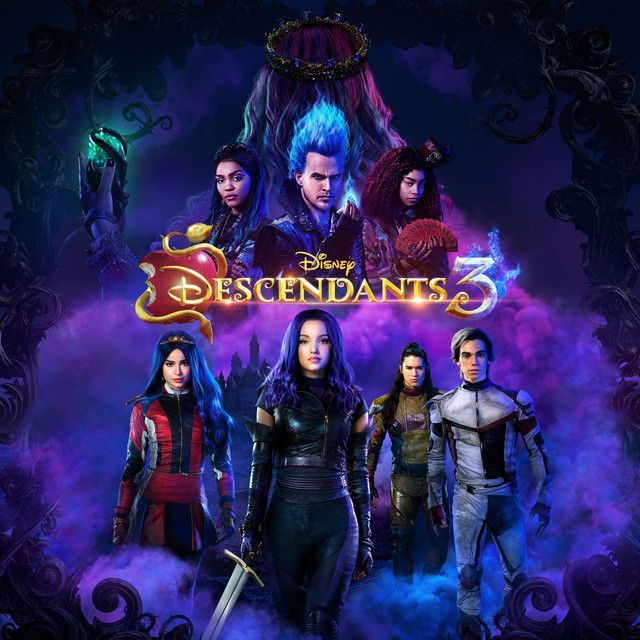
Featured in Disney’s Descendants 3, the song is performed by key cast members including Dove Cameron, Sofia Carson, Booboo Stewart, Cameron Boyce, Jadah Marie, and Anna Cathcart. Disney presents it as a major ensemble number tied to the Isle and VK identity in the film’s world. The song was written by Adam P. Schmalholz, Antonina Armato, Thomas Sturges, and Tim James.
A Victory Anthem for the Isle
At its core, the track is about turning social stigma into collective pride. The singers begin by calling their people together, from every direction, like a rally before a parade or street celebration. That opening matters because it frames the song as bigger than one character. They are not singing only about personal confidence. They are singing as a community.
When the chorus lands on good to be bad
, the phrase is not really praising cruelty. It is reclaiming the word “bad” from outsiders who used it to judge them. In plain terms, they are saying: if “bad” means they came from the Isle, refuse shame, and still stand tall, then they will own it.
That is why another key line, we're proof of that
, hits so hard. The point is not empty swagger. It is evidence. They used to be dismissed, but now they can point to change, survival, and leadership.

Watch the official Good to Be Bad
music video
From Outcasts to Leaders
One of the song’s clearest ideas is transformation. The lyric about being lost, now we're on the map
condenses the whole Descendants arc into one image. The Isle kids were once hidden away, ignored, and defined by their parents’ crimes. Now they are visible.
A second transformation appears in the shift from taking to giving. The song briefly references a past of stealing, then contrasts it with generosity and responsibility. That contrast is important because it shows growth without erasing history. They do not pretend the past never happened. They argue that the past does not get the final word.
The song’s narrative in simple beats
- They gather the community and call everyone to celebrate.
- They remind listeners that the Isle kids changed the culture around them.
- They reclaim the insult attached to their background.
- They insist that success does not require forgetting where they came from.
That sequence gives the track its emotional lift. It moves from invitation to proof, then to identity.
Why VK Pride Sits at the Center
The strongest emotional engine in the song is group identity. The chant-like sections and crowd energy make the track feel less like a solo confession and more like a public declaration. When they ask listeners to Raise your V's up high
, the gesture works like a team sign. It tells the crowd to make belonging visible.
Interpretation: this is why the song resonates with younger audiences. It speaks to anyone who has felt judged by where they are from, what people expect of them, or what label others put on them. The Isle becomes a symbol for any place seen as less worthy.
The line about not being able to remove the Isle from the VKs deepens that message. It suggests identity is not something to hide once they gain status. Growth does not mean becoming someone else. It means carrying their roots with pride.
How the Sound Sells the Message
Musically, “Good to Be Bad” supports its meaning with bright, percussive pop production built for a big ensemble performance. The beat pushes forward like a march, while the chant responses make the track feel public and communal rather than private. That suits a song about solidarity.
The production also balances polish with edge. It sounds celebratory and radio-ready, but the stomp-and-chant structure keeps a street-parade feel. That blend mirrors the story: the VKs now stand in the spotlight, but they still represent the Isle.
Vocally, the shared lead lines matter as much as the melody. Different cast voices give the number a team dynamic, so the message never narrows into one person’s success story. It stays collective.
More Than Rebellion
It would be easy to hear the title and assume the song is simply about breaking rules. But that reading is too shallow. The number is less interested in rebellion for its own sake than in self-definition.
Interpretation: “bad” functions here as a political word inside the movie’s world. It names how society sees the VKs. By repeating it in a joyous chorus, they strip it of some of its power to wound them.
That is also why the track feels triumphant rather than bitter. They are not begging Auradon for approval. They are showing that they already built pride from the ground up. In that sense, the song becomes a declaration of cultural memory.
The Bigger Descendants Context
Within the Descendants franchise, the Isle of the Lost has always stood for inherited blame. Children are judged for families and systems they did not choose. “Good to Be Bad” pushes back against that idea by making room for accountability, change, and pride at the same time.
For viewers, especially younger ones, that balance is useful. The song says people can outgrow harmful patterns without rejecting their whole story. That is a strong message for a Disney musical: identity can evolve, but dignity should not depend on perfect origins.
Final Take
So, the meaning of Good to Be Bad Dove Cameron, Sofia Carson, Booboo Stewart, Cameron Boyce, Jadah Marie, Anna Cathcart, Disney is about reclamation. It turns a word of shame into a sign of survival, unity, and self-respect.
More than a catchy ensemble number, it is the soundtrack to a group refusing to be reduced to where they started. Interpretation: its lasting appeal comes from that simple promise—people can change, but they do not have to erase themselves to do it.
Disclaimer: This interpretation is based on the song’s lyrics, performance context in Descendants 3, and widely understood themes in the franchise. As with any song, listeners may connect with it in different ways.









