Why “Natural Born Killaz” Feels Like a Horror Film
The meaning of Natural Born Killaz Ice Cube, Dr. Dre starts with a simple truth: this is not a confession song in the ordinary sense. It is a performance piece, built like a horror movie, where Ice Cube and Dr. Dre step into the minds of violent characters and push that voice to an extreme.
"Natural Born Killaz" - Ice Cube, Dr. Dre
Come on, baby, let's get the fuck home
I know, let's hurry up, I hate this neighborhood
Loading lyrics...
Unable to load lyrics
We're unable to display the lyrics at this time. Please try again later.
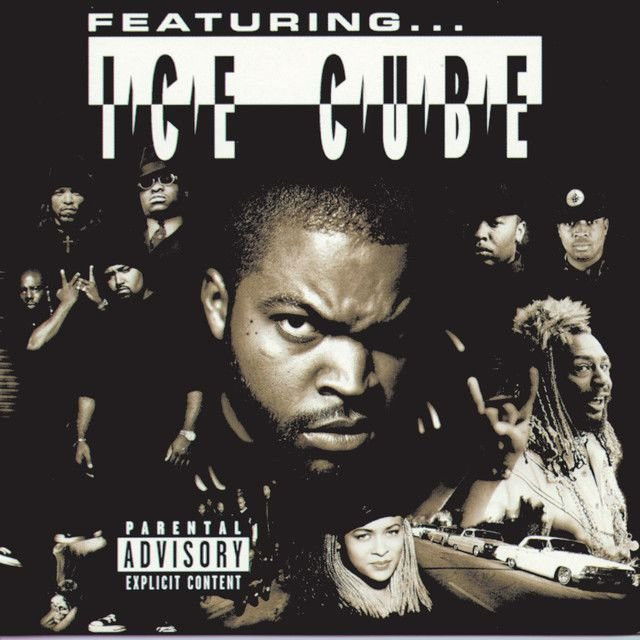
Released in 1994 for the Murder Was the Case soundtrack, the track also mattered because it marked the first major Dre and Cube reunion after the N.W.A split, according to available release history and credits in public discographies and song references. It was issued as a single in late 1994 and is commonly classified as horrorcore, gangsta rap, hardcore hip-hop, and G-funk. Those labels matter because the song uses shock, menace, and cinematic detail on purpose.
The Core Idea Behind the Chaos
At its center, the song imagines a narrator who sees himself as made for violence. Early on, the character invites listeners to journey with me
into a disturbed mindset. That line acts like an opening scene: they are entering a nightmare, not hearing a normal autobiography.
The repeated phrase natural born killer
is the key to the song’s meaning. It suggests fate, as if the speaker believes he was built this way from birth. Interpretation: that idea is less about biology than about total moral collapse. The character has stopped seeing choice, empathy, or consequence as real.
This is why the verses keep turning murder into routine. The narrator talks as if violence is his job, his reflex, even his identity. The song is trying to disturb the listener with that emptiness.
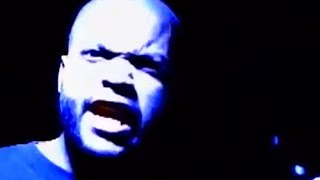
Watch the official Natural Born Killaz
music video
A Villain’s Voice, Not a Moral Lesson
The song works because Ice Cube and Dr. Dre rap in first person while creating distance through exaggeration. They use comic-book brutality, pop-culture references, and impossible levels of menace. The result feels theatrical.
That matters because some listeners hear the song as endorsement. But the structure suggests something more staged than celebratory. The intro drops listeners into a tense street encounter, then the verses spiral into a larger fantasy of destruction. It is less “this happened” than “this is the scariest mind they can imagine.”
I don't wanna dieI don't wanna
That brief hook is one of the song’s most revealing moments. After all the boasting, fear suddenly appears. The killer persona sounds powerful, but beneath it is panic. Interpretation: the song may be showing that violence often grows from terror, not strength.
How the Lyrics Build a Nightmare World
A lot of the song’s force comes from how fast it stacks images. The narrator sees the devil in the mirror
, enjoys the sound of sirens, and keeps moving between street crime, serial-killer references, and media headlines. These details create a world where murder feels constant and culture itself looks sick.
Several references pin the song to the early 1990s. It mentions Sarah Connor from The Terminator, O.J.-era imagery, Charles Manson, Jeffrey Dahmer, and a line about Singapore caning that reflects a major news story from the period. These are not random name-drops. They link the song’s violence to American media overload, where crime, celebrity, and spectacle blur together.
Interpretation: one reading is that the song satirizes that blur. By piling references so high, it becomes grotesque on purpose, as if the rappers are asking how much blood-soaked imagery a culture can consume before it stops reacting.
The Sound Is Half the Meaning
The production is crucial to the meaning of Natural Born Killaz Ice Cube, Dr. Dre. Public credits list Dr. Dre and Sam Sneed as producers, with the track growing from an earlier song idea and keyboard work connected to Soopafly. That background helps explain why the record sounds both polished and ominous.
The beat is slow, heavy, and spacious. Instead of feeling frantic, it stalks. That choice makes the violence sound colder. The low-end thump and eerie synths turn the song into a moving crime scene, while the vocal performances cut through with a hard, almost conversational threat.
Ice Cube sounds explosive and vivid. Dre sounds flatter and more detached, which actually makes his verse unsettling in a different way. Together, they create two shades of menace: one emotional, one clinical.
Why the Song Hit So Hard in 1994
The timing helped make the song memorable. It arrived in the same season as Oliver Stone’s Natural Born Killers, though the song was not on that movie’s soundtrack. That confusion around the title likely added to its cultural aura. The single instead belonged to Murder Was the Case, tying it to Death Row’s dark, cinematic brand during that era.
The music video leaned into the same idea. Public summaries describe a street confrontation that ends in murder, with a notable Tupac Shakur cameo near the end. That visual framing confirms how the song wanted to be seen: as a mini crime thriller.
Final Reading: Fear Wearing a Mask
So what is the song really about? In plain terms, it is about people performing monstrosity until that performance becomes identity. The characters talk like predators, but the song keeps hinting at dread underneath. Even a phrase like mass murderer
lands less like triumph than self-condemnation.
The track also captures a moment when gangsta rap, horror imagery, and media sensationalism were feeding each other. It shocks on purpose, but it is not empty. Beneath the threats is a portrait of paranoia, social decay, and masculine fear turned outward into violence.
For many listeners, that is why the record still works: it sounds huge, but it also sounds haunted.
Disclaimer: This interpretation is based on the song’s lyrics, production, historical context, and public credits. As with many narrative rap songs, meanings can vary by listener.








