Why Drake's "Come Thru" Still Lingers
The meaning of Come Thru Drake centers on a familiar but messy situation: they reach out to someone from the past, hoping physical closeness can reopen an emotional connection. On the surface, the song sounds casual and inviting. Underneath, it carries regret, memory, ego, and loneliness.
"Come Thru" - Drake
We had the type of nights where mornin' comes too soon
And nothin' was the same
Loading lyrics...
Unable to load lyrics
We're unable to display the lyrics at this time. Please try again later.
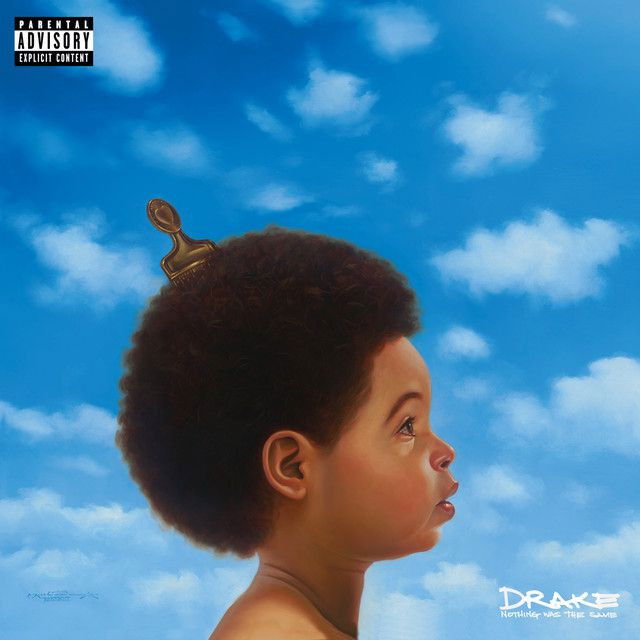
Released on Nothing Was the Same in 2013, the track was written by Aubrey Graham, Noah Shebib, and Noel Campbell, with production tied closely to Noah “40” Shebib's moody style. Those credits and release details are widely documented in the album notes and major music databases such as Genius and AllMusic. That context matters because this song fits a period when Drake often mixed confidence with emotional uncertainty.
A Late-Night Invite With More Behind It
At its core, the song is about wanting an old flame to return, even if only for one night. They remember a time when being together felt natural, and now they try to recreate that closeness with a simple request: come thru
. The phrase sounds easy, but the emotion behind it is not.
The verses show someone stuck between nostalgia and impulse. They think about old routines, old spaces, and what used to happen without effort. When they mention driving by and remembering shared habits, the song suggests they are not just craving sex or company. They are chasing a version of the relationship that once made them feel grounded.
Interpretation: the invitation is really a test. If the other person still answers, then maybe the past is not fully gone.

Watch the official Come Thru
music video
Memory, Desire, and Control
One of the most revealing parts of the song is how memory mixes with swagger. They do not approach the person with pure vulnerability. Instead, they lean on attraction, shared chemistry, and the belief that they still know how to make this person feel good.
Short phrases like make you laugh
and call into work
show that the speaker wants immediate access, not a careful conversation. That creates tension. They sound affectionate, but also controlling. They are offering comfort, drinks, and intimacy, yet they are setting the terms of the reunion.
This is a common Drake theme: emotional honesty delivered through bravado. Rather than plainly say they miss the person, they frame the reunion as obvious, convenient, and irresistible. That makes the song feel smooth on the surface while exposing insecurity underneath.
How the Story Moves Through the Night
The song unfolds in a loose but clear arc:
- They remember a past connection that felt easy.
- They reach out after a long silence.
- They try to persuade the other person through charm and history.
- They drift into jealousy and anxiety about where that person has been.
That last shift matters most. By the end, the song becomes more restless. Repeated questions like Why has it been so long?
turn the mood from seductive to unsettled. The speaker is no longer just inviting someone over. They are confronting absence.
When the Hook Stops Sounding Casual
At first, the chorus feels like a party-text anthem. But repetition changes its meaning. The more they say come thru
, the less confident they seem. What begins as an easy invitation slowly feels like pleading.
That is one reason the song has lasted. It captures the way late-night confidence can cover daytime hurt. The hook is catchy, but it also reveals dependence. They are not simply asking for company; they want reassurance that they still matter.
The Production Tells the Same Story
The production is a big part of the song's meaning. Nothing Was the Same is known for atmospheric, minimal, nocturnal sound design, especially through 40's influence, as noted by outlets like Pitchfork and Rolling Stone. On “Come Thru,” the beat feels hazy and intimate rather than explosive.
There is space in the instrumental, which makes the song feel private, almost like a voice note sent too late at night. The soft pulse and blurred textures match the emotional setting: half-memory, half-desire. Nothing in the sound pushes toward closure. Instead, it loops, lingers, and hangs in the air.
That matters because the production supports the main idea. This is not a triumphant reunion song. It is a suspended moment where longing and confidence live side by side.
A Small Set of Images, A Bigger Emotional World
The lyrics do not use heavy symbolism, but they repeat a few strong motifs:
- night driving
- old living spaces
- drinking and smoking
- work being ignored
- waiting for someone to arrive
These images build a world of after-hours intimacy. Everyday responsibilities fade, and emotion takes over. Even a line about who was there during earlier, harder days adds weight. The speaker is saying: they shared history before success, so that bond should still count now.
“Who you been crying to? Who you been flying to?”
This brief section marks the emotional crack in the song. The questions reveal jealousy and fear of replacement. After all the cool talk, the real issue comes out: they are worried someone else has taken their place.
One Song, Two Readings
There are at least two strong ways to hear the track.
Interpretation 1: it is a sensual reunion song. In this reading, the song is mainly about chemistry, convenience, and rekindling something physical.
Interpretation 2: it is a lonely song disguised as seduction. In this reading, the flirtation is a shield for abandonment anxiety and unresolved attachment.
Both fit. That double meaning is what gives the song depth.
Why "Come Thru" Still Connects
The lasting power of the meaning of Come Thru Drake is how accurately it captures blurred relationship boundaries. They want closeness, but they also want control. They miss the past, but they do not fully speak that pain aloud.
That tension makes the song feel real. It understands that sometimes a simple late-night invite carries old history, wounded pride, and genuine need all at once.
Disclaimer: This interpretation is based on the song's lyrics, sound, and publicly available context. As with most art, listeners may hear different meanings in it.








