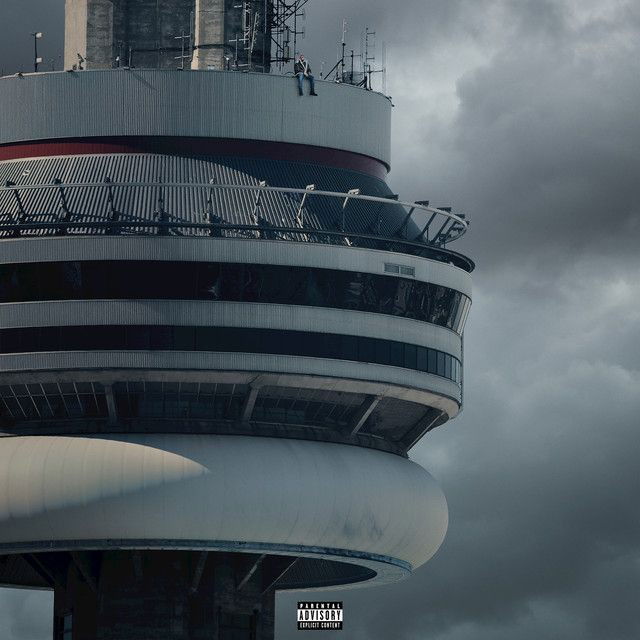
Hotline Bling by Drake
A phone buzz at 2 a.m. can feel like a decision point: answer and fall back, or hold the line. That tension sits at the center of the meaning of Hotline Bling Drake fans still debate—how much of this hit is longing, and how much is control?
"Hotline Bling" - Drake
You used to, you used to
Yeah
Loading lyrics...
Unable to load lyrics
We're unable to display the lyrics at this time. Please try again later.
Late-Night Calls and the Modern Breakup
At heart, the song is about ritual and power. The narrator remembers routine late-night connections—You used to call me on my cell phone
and late night when you need my love
—and the status those calls gave him.
Interpretation: the “hotline” is more than a ringtone. It’s a badge of access. When it rings, he insists that can only mean one thing
, as if desire were predictable and owned. The song captures how smartphones turn private history into public anxiety.

Watch the official Hotline Bling
music video
Who’s Talking, and What Changed?
The voice is first-person, addressing an ex. Their life shifted ever since I left the city
. He lists her new habits—going out more, new friends, travel—as if building a case that she has changed.
Interpretation: those details can read as care or control. He frames her nightlife and style as proof that she’s “someone else.” Yet his claims say as much about his fear of being replaced as they do about her choices.
The Chorus as an Alarm Bell, Not a Comfort
The hook glows like a neon sign, but it’s also an alarm. When he repeats that can only mean one thing
, he narrows a complex relationship to a simple transaction. That makes the chorus sticky—and uneasy. The refrain turns late-night connection into a habit loop he can’t quit.
Symbols You Can Hear: Phones, Nightlife, Distance
- The phone: It’s intimacy on demand. A buzz means access, and silence means loss.
- The city: Distance fuels suspicion. Travel and “passport” pages suggest life moving on without him.
- The dance floor and champagne: Public scenes replace private calls. He equates visibility with betrayal, which exposes his insecurity.
- Reassurance vs. control: He repeats
you don’t need nobody else
, which could be supportive—or a way to steer her back to him.
How the Beat Makes the Story Feel
Produced by Nineteen85, the track floats on warm, minimal drums, rubbery bass, and airy keys. It samples Timmy Thomas’s 1972 “Why Can’t We Live Together,” whose organ-like tones and open space create a late-night vibe that feels both lonely and inviting.
The tempo moves while the mix leaves room for Drake to sing-rap. That space lets his emotions — frustration, nostalgia, ego — sit right on the surface. The melody is simple, almost nursery-rhyme catchy, mirroring the way obsessive thoughts repeat.
Culture Shock: Control or Vulnerability?
Some listeners hear the narrator policing an ex’s freedom, judging her clothes, friends, and nights out. Others hear a wounded voice trying (and failing) to accept that people grow apart. Both are in the performance: brag and bruise, side by side.
These days, all I do is wonder if you're bendin' over backwards for someone else
That couplet captures the jealousy spiral. Interpretation: he’s stuck replaying imagined scenes. The song’s power comes from that honesty about insecurity. But it also invites critique of the way he frames her choices.
Why This Hook Went Everywhere
The video, directed by Director X, doubled the impact: color-blocked rooms, expressive dad-dancing, and meme-friendly poses. The visual turned a private drama into public play. The track became a top-5 hit in multiple countries, won two Grammys, and cemented a pop-rap blueprint built on mood and minimalism.
A Quick Timeline of the Story Inside the Song
- They had a routine: late calls, quick closeness.
- He leaves the city; her world expands.
- He reads her new social life as distance from him.
- He tries to reassert the old terms through the chorus.
- He loops in doubt, jealousy, and nostalgia until nothing changes.
What the Meaning Adds Up To
The meaning of Hotline Bling Drake presents is a tug-of-war between connection and control. It’s catchy because it’s honest about ego: the narrator wants to be chosen, again and again, on his timetable. It’s uncomfortable because that desire sidelines the ex’s independence.
Taken together—the intimate beat, the direct vocals, the smartphone imagery—the song nails a feeling many recognize: missing the old text thread while resenting the new life on the other side of the screen.
Disclaimer: Song meanings are interpretations. Your own reading may differ based on experience and context.
Sources
- https://en.wikipedia.org/wiki/Hotline_Bling
- https://pitchfork.com/reviews/tracks/16674-drake-hotline-bling/
- https://www.npr.org/2015/08/21/433409122/songs-we-love-drake-hotline-bling
- https://www.theverge.com/2016/2/15/11014958/drake-hotline-bling-apple-music-funding
- https://www.billboard.com/music/rb-hip-hop/grammys-2017-winners-list-7700110/
- https://www.nme.com/news/music/drake-117-1210688