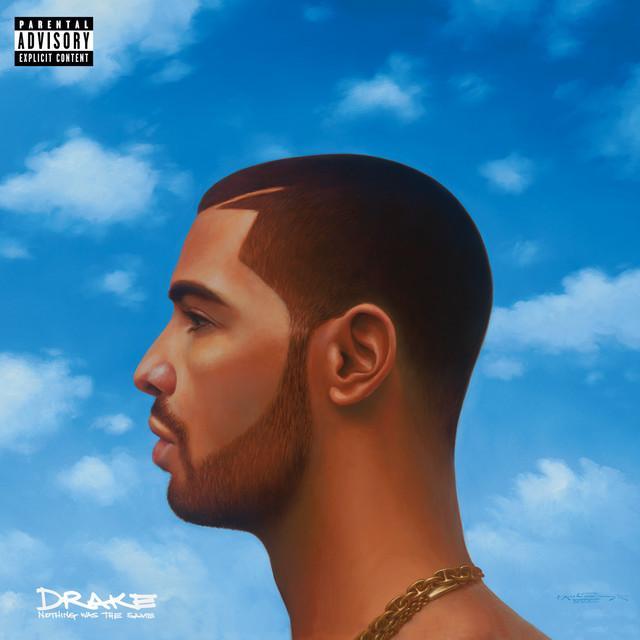
From Time by Drake, Jhené Aiko
A quiet song with a loud confession, From Time feels like a late-night check-in on how love, fame, and family are changing two people. For readers looking for the meaning of From Time Drake, Jhené Aiko, the track is less about one breakup and more about patterns—why someone keeps choosing the same kind of love, and what it costs.
"From Time" - Drake, Jhené Aiko
Been a minute since we kicked it, you've been caught up
With them bitches, I don't get it, you're a star love
Loading lyrics...
Unable to load lyrics
We're unable to display the lyrics at this time. Please try again later.
A Mirror Held Up to Love and Ego
Aiko opens as the song’s conscience. When she sings I love me
and warns that someone cannot take love
, she’s not bragging—she’s drawing a boundary. The hook says: self-worth matters, and if you can give love but can’t receive it, the relationship breaks.
Drake answers with a candid inventory. He names past flings, pressures from success, and a complicated bond with his father. The message under the detail is simple: he wants to grow, but old habits pull hard. This is a self-audit, not a victory lap. Interpretation: Aiko’s chorus acts like a rubric. Each Drake memory either passes or fails the test of healthy love.

Watch the official From Time
music video
Who’s Talking, and to Whom?
The song reads like a two-person talk, but it’s also Drake debating with himself. Aiko’s voice speaks to a partner in second person, demanding accountability. Drake’s verses flip between addressing an ex and looking inward. That tension—public star, private man—drives the track.
Interpretation: Aiko is the boundary-setter; Drake is the boundary-tester trying to learn restraint.
The Story in Four Beats
- Aiko sets the thesis: self-love and limits. She suggests the pattern is the real problem.
- Drake admits distance, career noise, and the trap of status. He says he likes when
money makes a difference
, but he wants it not to change him. - He longs to reset, wanting to be the
kid in the basement
again—hungry and pure, not distracted. - Family enters: talks with his dad push him toward patience and repair. The cycle of confession returns to Aiko’s standard.
What the Hook Really Says
The refrain reframes his flexes and his regrets. It suggests love can’t survive when one person guards their heart and mistakes control for care. When he circles back with a challenge like who better for you
, it sounds bold, but the hook reminds them both that confidence without reciprocity isn’t love.
Symbols, Landmarks, and Warnings
Place names and brands aren’t flexes so much as memory pegs. He calls them “landmarks” to show how muses and moments became part of his writing life. The line about being seventy and alone
lands like a warning from home: success without intimacy may leave you celebrated but isolated.
The “flower child” and 1970s image frame an ideal of natural, free love—what he thinks he wants but struggles to hold. The outro’s Toronto patois and Baka cameo ground the confession in his circle, making the story feel lived-in rather than abstract.
How the Sound Carries the Meaning
From Time sits in the downtempo R&B lane of Drake’s 2013 album Nothing Was the Same. Producer Noah “40” Shebib sculpts a hushed, low-end-light mix where space is emotion. Chilly Gonzales’s meditative piano riff adds calm and melancholy; the finger-snap groove moves like a heartbeat. The production makes room for detail, so every place name and self-critique lands. Vocally, Aiko’s airy tone creates a soft-check energy, a loving push that sharpens Drake’s confessional verses.
Context that Shapes the Reading
On release, critics praised the song’s writing and the chemistry between Drake and Aiko, often calling it a standout on the album. Sessions happened across Toronto and Los Angeles, with Aiko writing her part to music Drake and 40 provided. Those facts help the reading: the track was built for conversation, not confrontation.
Name-drops drew attention, especially “Courtney from Hooters,” highlighting how real people become public when an artist tells personal stories. Drake later suggested he didn’t want to exploit relationships. That tension—storytelling versus privacy—echoes the hook’s theme: giving and taking.
Alternate Takes Worth Considering
- Interpretation: Aiko as moral compass. The hook functions like a therapist’s refrain, nudging Drake to drop defensiveness and accept love fully.
- Interpretation: Drake as unreliable narrator. His charm and detail could be self-justification in poetic form. The hook undercuts his bravado and keeps listeners skeptical.
Takeaway
The meaning of From Time Drake, Jhené Aiko comes down to accountability. Love can’t thrive where pride blocks vulnerability. The song leaves them— and listeners—between hope and habit.
Disclaimer: This analysis offers one interpretation based on lyrics, production, and public context. Individual listeners may hear it differently.







