Why 'You Want What You Can't Have' Hits So Hard
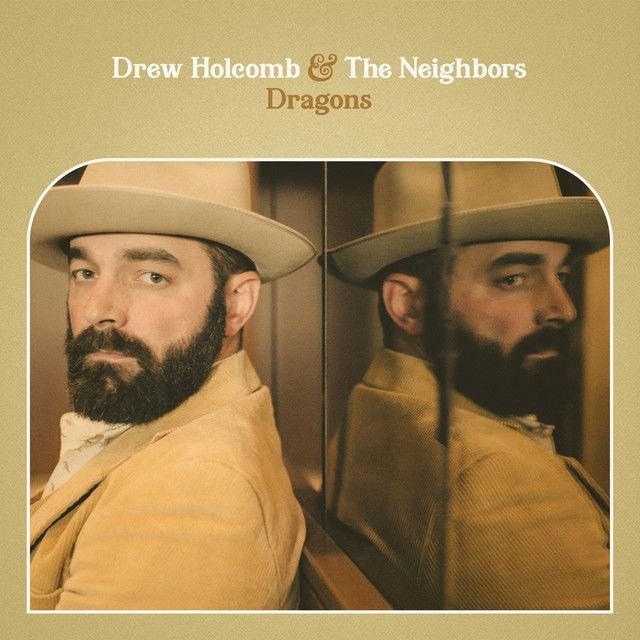
The meaning of You Want What You Can't Have Drew Holcomb & The Neighbors, Lori McKenna comes down to a simple but painful truth: people are often shaped by desire for what is out of reach. The song does not mock that impulse. Instead, it treats it like a permanent part of being human.
"You Want What You Can't Have" - Drew Holcomb & The Neighbors ft. Lori McKenna
Some people want people to pay all their bills.
Some people want to move on, some people want to go back in time.
Loading lyrics...
Unable to load lyrics
We're unable to display the lyrics at this time. Please try again later.
Written by Drew Holcomb and Lori McKenna, the track uses plain, everyday language to describe a problem almost everyone knows. Some people want money, status, romance, escape, or a second chance. Others want peace, privacy, or a family. The song gathers all those wishes together and says the same ache lives under them.
A Big Idea Told Through Ordinary Lives
What makes this song effective is its wide lens. Rather than focusing on one dramatic story, it moves through different kinds of people and different kinds of longing. One person wants comfort. Another wants freedom. Another wants to undo the past.
That list-like structure matters. It suggests that desire is not limited to one class, age, or personality. The song places the rich next to the poor, the social next to the lonely, and the restless next to the faithful. In doing so, it argues that wanting is universal.
The chorus brings that idea into focus with the blunt phrase you want what you can't have
. That line is not just a complaint. It sounds more like a diagnosis. The song is saying that people are built to reach beyond their grasp, even when that reaching hurts them.
Watch the official You Want What You Can't Have
music video
The Biblical Frame Gives the Song Weight
A key line points back to the Garden of Eden
. That reference gives the song a moral and spiritual frame without turning it into a sermon. In the biblical story, desire begins with attraction to what is forbidden. Here, that same pattern becomes a metaphor for everyday life.
Interpretation: By invoking Eden, the writers suggest that dissatisfaction is ancient. It is older than modern consumer culture, older than social media, older than personal ambition. The song implies that envy, temptation, and regret are woven into the human story.
The natural imagery deepens this point. The song says people cannot erase the source of temptation or fix all the mess around them. In other words, they cannot fully clean up human nature. The weeds keep growing.
We want the spark
but we don't want the burn
This brief moment may be the song's sharpest summary. It shows the contradiction at the center of desire: people want passion, love, and intensity, but they do not want risk, pain, or consequence.
How the Verses Build a Map of Desire
The verses are full of contrasts, and those contrasts do much of the song's meaning-making. Some people are open and vulnerable; others are guarded. Some chase pleasure; others stay up praying for a child. That range prevents the song from sounding smug.
Instead of separating good desires from bad ones too neatly, it shows that longing can be noble, selfish, sad, or ordinary. A drink, a smoke, a house, a child, a vanished past: all are presented as part of the same emotional economy.
This is where Lori McKenna's writing style is especially relevant. Across her catalog, including work celebrated by the GRAMMYs, she often writes in direct language that opens into big emotional truths. Drew Holcomb also tends to write songs that connect personal struggle to larger values, a pattern heard across Drew Holcomb & The Neighbors. Together, they make this song feel both conversational and wise.
The Chorus Turns Wanting Into Fate
The chorus does more than repeat the title. It widens the song from individual choices to something like fate. The line about greener grass
points to a familiar idea: people keep imagining that fulfillment is somewhere else.
Then the song tightens the screws. It says there are limits no one can break. They cannot reverse time, undo words, or restore the dead. The phrase can't go back
lands hard because it moves the song from envy into regret.
Interpretation: That shift matters. At first, the song sounds like it is about craving what others have. By the end, it also becomes a song about mourning what has been lost and accepting what cannot be changed.
Why the Sound Supports the Message
Though the lyric carries the main burden, the production likely helps the message by staying grounded and unflashy. Drew Holcomb & The Neighbors often work in an Americana and roots-rock lane, where sturdy rhythm, warm guitars, and clear vocals let the words lead. That style fits this song's plainspoken honesty.
A song about endless wanting could have been dramatic or bitter. Instead, its likely strength is steadiness. If the arrangement stays mid-tempo and organic, that would support the idea that this struggle is not exceptional. It is everyday life.
McKenna's presence also matters, even when listeners mainly feel it through the writing. She specializes in emotional compression: saying a lot with very little. That economy helps the song avoid melodrama.
The Deepest Meaning: Acceptance Without Surrender
At its core, the song does not simply say desire is bad. It says desire is dangerous when people refuse limits. They want love without pain, excitement without cost, and change without loss.
Yet the track is not hopeless. By naming this pattern so clearly, it offers a form of release. People may not stop wanting, but they can become more honest about what wanting does to them. They can notice when chasing the impossible steals attention from what is real.
That is the lasting meaning of the song. It is about envy, regret, temptation, and human restlessness, but also about maturity. Growing up may mean learning that not every hunger should be fed.
Final Take on the Song's Message
For listeners searching for the meaning of You Want What You Can't Have Drew Holcomb & The Neighbors, Lori McKenna, the song's message is both broad and intimate: human beings are always reaching, often toward things they cannot keep, change, or possess. The writers turn that hard truth into a calm, memorable reflection rather than a lecture.
That balance is why the song lingers. It understands desire from the inside.
Disclaimer: This interpretation is based on the released lyrics, songwriting context, and the artists' broader styles. As with any song, listeners may hear meanings that differ from this reading.







