Why 'Tear Away' Hits Harder Than It Sounds
The meaning of Tear Away Drowning Pool is easy to misread if someone only hears the chorus. On the surface, it sounds like a blunt anthem of selfishness. But the song works better as a portrait of someone under pressure, trying to hold together a damaged sense of self.
"Tear Away" - Drowning Pool
Pieces are falling
I can't seem to make them stay
Loading lyrics...
Unable to load lyrics
We're unable to display the lyrics at this time. Please try again later.
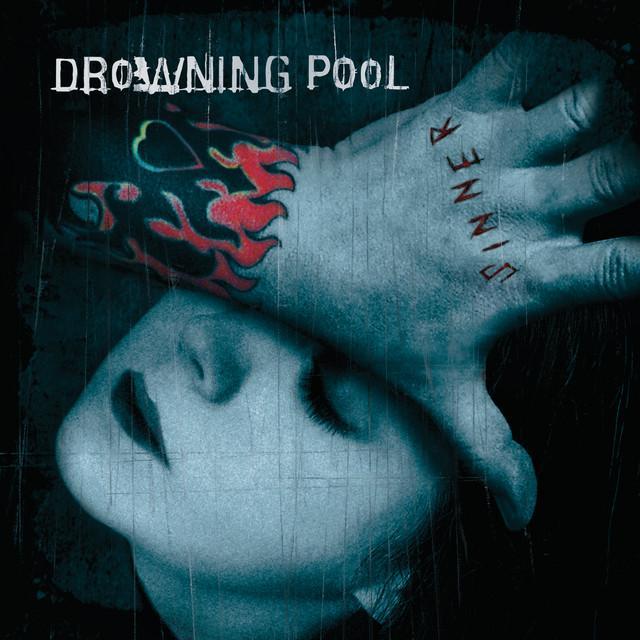
Drowning Pool released "Tear Away" in 2002 as a single from Sinner, the band's breakout album. It followed "Bodies" and became one of the group's best-known songs, also appearing in the orbit of WrestleMania X8. In chart terms, it reached U.S. rock audiences in a real way, including Billboard's Mainstream Rock chart, which helps explain why its message stuck with listeners for years.
The Song's Core Wound, Not Just Its Hook
At the center of the track is a person who feels fragmented. Early on, the song uses images of separation and collapse, with phrases like tearing away
and pieces are falling
. Those words suggest emotional disintegration more than rebellion for its own sake.
The next idea is distance. When the lyric says you run away
, it introduces a relationship that cannot stabilize. That "you" may be another person, but it can also sound like part of the speaker's own mind slipping out of reach.
Interpretation: The song is less about hating others than about losing control and trying to recover a center. The aggressive chorus becomes a defense mechanism, not a life philosophy.

Watch the official Tear Away
music video
Dave Williams Framed It as Self-Preservation
The band's late frontman Dave Williams gave a direct explanation of the song's intent. He said the idea was that everyone sometimes needs to say they have to deal with themselves and take care of themselves first. That reading changes the chorus from pure ego into a harsh statement about survival.
That context matters because the repeated line about not caring can sound cruel without it. Williams' explanation suggests the song is really about emotional triage. When someone feels overwhelmed, their first task is staying intact.
Songfacts also notes that the single's release was delayed in the aftermath of September 11 because the chorus could be heard as out of step with a moment of public unity. That history shows how timing shaped reception, even if the band's intended meaning was more personal than political.
A Chorus That Sounds Worse Than It Means
The chorus is the song's most famous section, and it is designed to provoke. Lines like I don't care about anyone
and Goddamn I love me
push the message to an extreme. They are not subtle, and that is the point.
But the verses complicate that attitude. Before the chorus arrives, the speaker admits confusion, fear, and uncertainty. They ask whether they even want this and confess that they sometimes scare themselves. That is not the voice of someone fully confident. It is the voice of someone trying to sound stronger than they feel.
Interpretation: The chorus acts like armor. It turns vulnerability into a chant of self-protection. In that sense, the song dramatizes the moment when pain hardens into defiance.
The Inside-Out View of Identity
One of the most interesting details in the lyric is the line about being inside someone and asking how it feels. That moment gives the song a strange, almost split-personality quality. The speaker is not just addressing another person from the outside; they seem to be speaking from within.
Yes, I'm inside you
Tell me how does it feel
This short passage opens up a deeper reading. The song may be about projection, where anger at others is really anger at the self. It may also describe intrusive thoughts, inner conflict, or the feeling that a darker version of the self has taken over.
That helps explain why the song moves between collapse and aggression so fast. It sounds like a conversation happening inside one person's head.
Why the Music Makes the Meaning Land
Drowning Pool came out of the early-2000s hard rock and nu metal wave, and "Tear Away" uses that style well. The guitars are thick and percussive, the rhythm section stays tense, and the arrangement leaves room for explosive vocal shifts.
That musical design supports the lyric's emotional shape. The verses feel coiled and unstable, while the chorus hits like a release valve. When Williams moves from a more controlled tone into a full-throated shout, the performance sells the idea that the speaker is fighting to stay whole.
The stop-start energy also matters. It gives the song a jerking, unsettled motion, as if the track itself cannot fully settle. That mirrors the theme of fractured identity.
Why It Connected in 2002 and Still Connects Now
Part of the song's staying power comes from how recognizable its emotional problem is. Many listeners know what it feels like to be overloaded, angry, and tired of performing for everyone else. "Tear Away" gives that feeling a loud, simple language.
It also connected because Drowning Pool made the emotion physical. This was not a gentle reflection on boundaries. It was a song for people who felt like they had reached a breaking point and needed to shout their way back to themselves.
That is why the meaning of Tear Away Drowning Pool still resonates. Beneath the confrontational hook, the song is about burnout, self-defense, and the fear of coming apart.
The Last Take
The strongest reading of "Tear Away" is that it turns self-focus into a survival tactic. Its chorus sounds brutal, but its verses reveal a person who is unstable, frightened, and trying to regain control.
In other words, the song is not simply saying other people do not matter. It is saying that, at a crisis point, a person may need to save themselves first.
Disclaimer: This interpretation combines documented artist comments with close reading of the lyrics and sound. As with any song, listeners may hear different meanings in it.