Why “Son Of A Preacher Man” Still Charms
The meaning of Son Of A Preacher Man Dusty Springfield comes down to a simple but powerful idea: a first love can feel unforgettable because it breaks rules, stirs desire, and leaves a mark that lasts for years.
"Son of a Preacher Man" - Dusty Springfield
And when his daddy would visit he'd come along
When they gathered 'round and started talkin'
Loading lyrics...
Unable to load lyrics
We're unable to display the lyrics at this time. Please try again later.
Dusty Springfield’s hit tells that story through memory. The singer looks back on a romance with Billy Ray, the preacher’s son, and remembers him as the one who truly changed her. The song is playful on the surface, but underneath it is about awakening: emotional, romantic, and maybe even spiritual in its own way.
A Love Story Told Through Memory
The lyrics are framed as recollection, not present action. That matters. The speaker is not just describing a crush; they are revisiting the moment that taught them what intimacy felt like.
Early details create a small-town setting of church visits, family talk, and slipping away from adults. When the song mentions Billy Ray was the preacher's son
, it gives the romance both charm and tension. He is close to respectability, yet the relationship unfolds in secret.
Interpretation: That contrast is central. The preacher’s family stands for morality and public image, while the backyard walks and hidden kisses suggest private desire. The song gets its spark from those two worlds touching.

Watch the official Son of a Preacher Man
music video
Why the Chorus Feels Bigger Than a Crush
The chorus is memorable because it turns a teenage memory into a life-defining confession. When Springfield sings the only one who could ever reach me
, the song moves beyond flirtation. This is not just the boy she liked; he is the one who broke through her defenses.
The next line, could ever teach me
, adds another layer. On the literal level, he teaches her about romance. On a deeper level, he introduces her to a new version of herself.
Interpretation: The word “teach” is doing a lot of work. It hints at growing up, discovering desire, and learning through experience rather than rules. In a song about a preacher’s son, that choice feels especially sharp, because the expected lesson would be moral instruction. Instead, the lesson is love.
Innocence and Rebellion in the Same Breath
One reason the song still works is that it never sounds fully scandalous or fully innocent. It lives in between. The narrator admits that being good isn't always easy
, which brings guilt and temptation into the story without making it dark.
That balance is the song’s secret. The meetings are hidden, and the attraction is strong, but the tone is warm rather than tragic. Even a phrase like stealin' kisses
feels mischievous instead of dangerous.
This is why many listeners hear the song as both nostalgic and sensual. It captures that teenage space where romance feels thrilling precisely because it is slightly off-limits.
How Dusty Springfield’s Voice Changes the Meaning
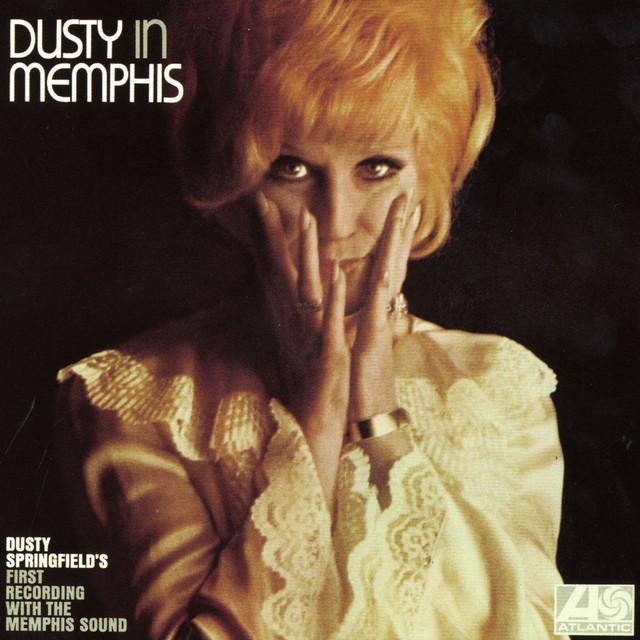
Facts matter here. “Son of a Preacher Man” was written by John Hurley and Ronnie Wilkins, recorded by Dusty Springfield in 1968 for Dusty in Memphis, and produced by Jerry Wexler, Tom Dowd, and Arif Mardin. It became a Top 10 hit in both the U.S. and U.K., according to chart information summarized by available reference sources.
But the song’s meaning is shaped just as much by performance as by lyrics. Springfield does not belt the story like a warning or a boast. They deliver it with softness, restraint, and a smoky kind of closeness. That makes the memory feel personal, almost confessional.
The arrangement helps too. The record blends pop structure with Southern soul textures: a steady groove, warm rhythm section, and gospel-rooted backing vocals. Those elements make the song feel grounded in the body as much as the mind. The result is a track that sounds tender, grown-up, and just a little sly.
A British Singer, an American Soul Setting
Part of the song’s power comes from context. Springfield was a British star stepping deeper into American soul on Dusty in Memphis. Reports on the song’s history note that Hurley and Wilkins had written it with Aretha Franklin in mind before producer Jerry Wexler steered it toward Springfield.
That background adds an interesting layer to the meaning of Son Of A Preacher Man Dusty Springfield. Springfield is singing from inside a Southern-feeling world of church, desire, and memory, even though they came to it from outside. Instead of sounding artificial, that distance may help the performance feel even more like recollection: respectful, fascinated, and emotionally focused.
Why the Song Lasted
The song has endured because its theme is universal. Many people remember one early relationship as the one that “reached” them first. The details may be specific, but the feeling is not.
Its later revival through Pulp Fiction also introduced the track to new audiences and confirmed its cool, timeless pull. Yet the reason it survived was already there in the recording: a perfect mix of innocence, desire, memory, and soul.
The Real Takeaway
At its heart, this song is about a first emotional awakening disguised as a catchy love story. The preacher’s son is not just a character; he represents the moment when feeling becomes knowledge.
Interpretation: The song suggests that love’s first real lesson often comes from the least expected teacher.
That is why Dusty Springfield’s performance still lands. It remembers young desire without mocking it, and it treats a secret romance as something small in scale but huge in meaning.
Disclaimer: This interpretation is based on the lyrics, recording context, and the song’s cultural history. Like any great pop song, it can support more than one reading.









