Why "Honky Tonk Man" Still Hits Hard
The meaning of Honky Tonk Man Dwight Yoakam starts with a simple idea: this is a song about pleasure that has turned into a habit. The narrator loves the rush of bars, dancing, women, and music, but the song also shows the bill that always comes due. That mix of swagger and trouble is what gives the track its staying power.
"Honky Tonk Man" - Dwight Yoakam
And I can't seem to stop
I love to give the girls a whirl
Loading lyrics...
Unable to load lyrics
We're unable to display the lyrics at this time. Please try again later.
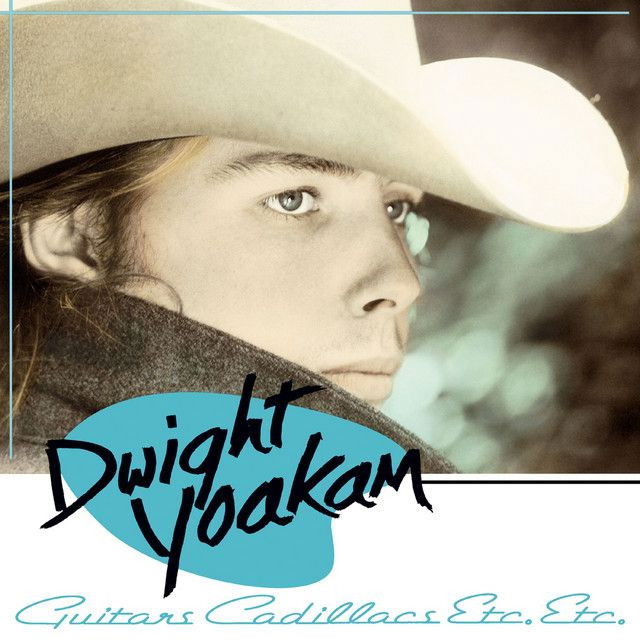
Dwight Yoakam released his version of "Honky Tonk Man" in 1986 as his debut single from Guitars, Cadillacs, Etc., Etc. It reached No. 3 on Billboard's country chart, while the original Johnny Horton recording dates back to 1956 and was written by Horton, Tillman Franks, and Howard Hausey. Yoakam's cut was produced by Pete Anderson, whose crisp, rootsy style helped define Yoakam's early sound.
A Good-Time Song With a Warning Inside
On the surface, the narrator introduces himself with "I'm a honky tonk man"
. That sounds proud, even playful. He is telling listeners exactly who he is: someone shaped by barrooms, jukeboxes, and late nights.
But the next key idea deepens that image. When he says "can't seem to stop"
, the song shifts from bragging to confession. They are not just hearing about a fun night out. They are hearing about someone caught in a cycle they enjoy and regret at the same time.
Interpretation: This tension is the core meaning. The song celebrates the honky-tonk life, but it also hints that the lifestyle controls the singer more than he controls it.
Watch the official Honky Tonk Man
music video
The Story Moves in a Loop
Rather than tell a complicated plot, the song works like a repeating weekend. Each verse returns to the same pattern:
- The narrator heads toward nightlife and music.
- He chases romance and excitement.
- He spends too much money.
- He ends up calling home when the fun runs out.
That structure matters. The repeated mention of an "old jukebox"
and the image of laying money down make the routine feel automatic. The singer is not learning a lesson. He is reliving one.
There is also a smart contrast between motion and emptiness. The town lights, the dancing, and the sound of the jukebox all feel alive. Then the song lands on being broke and on the phone. The fall is almost comic, but it also reveals loneliness.
What the Chorus Admits
The chorus is catchy because it sounds like a rowdy self-portrait. Yet it keeps undercutting itself. The singer likes giving the girls a whirl, but once the cash is gone, the mood changes.
That final plea home is the song's emotional twist. A short phrase like "money's all gone"
turns the whole character into someone less glamorous than he first appears. He is not a king of the nightlife. He is a regular who runs out of luck as fast as he runs out of cash.
"I'm a honky tonk mancan't seem to stopmoney's all gonecan your daddy come home"
In a few lines, the song moves from identity to compulsion to consequence. That is why the hook sticks.
Barroom Symbols That Carry the Meaning
The song uses a few classic country images, and each one does real work.
The jukebox as temptation
The jukebox is more than scenery. It represents instant pleasure: loud sound, movement, and escape. When the singer hears it, they are pulled back into the same world.
Money as reality
Cash is the song's reality check. In honky-tonk songs, spending money often signals freedom. Here, it also marks the limit of that freedom.
Night and town lights as craving
When the moon rises and the town lights call, the singer becomes restless. Interpretation: Nighttime here stands for appetite itself. He is drawn toward excitement before anything even happens.
Why Yoakam's Version Feels So Alive
Yoakam did not write the song, but he understood its emotional engine. His 1986 version brought the track into the neotraditional country wave, with a harder Bakersfield-style edge than many polished country hits of the era. Pete Anderson's production favors twangy electric guitar, a brisk tempo, and a tight rhythm section that gives the song a bouncing, urgent feel.
That matters for meaning. The arrangement does not sound heavy or tragic. It sounds fun, fast, and a little reckless. That lets listeners feel why the narrator keeps going back.
This matches how the original was received too. Billboard called Johnny Horton's 1956 recording a strong jukebox record and noted its "wine, women and song" pull, along with the backing's pounding atmosphere. In other words, critics heard the same tension early on: temptation in the lyrics, temptation in the beat.
Dwight Yoakam's Career Context
Yoakam's choice to open his major-label run with this song was revealing. He was presenting himself as an artist rooted in classic honky-tonk and rockabilly tradition, not just contemporary 1980s country polish. Making "Honky Tonk Man" his debut single signaled that lineage clearly.
The gamble worked. His version spent 24 weeks on the U.S. country chart and reached No. 3, while also hitting No. 1 in Canada. For many listeners, it announced that old-school country themes could still feel sharp, modern, and cool.
Final Take on the Song's Meaning
The meaning of Honky Tonk Man Dwight Yoakam is not hard to hear, but it is richer than its rowdy surface suggests. The song is about a man who loves pleasure, noise, and company, yet keeps revealing how little control he has over that life.
That is why the track endures. It is funny, catchy, and danceable, but underneath the grin is a portrait of compulsion, escape, and the price of living for the night.
Disclaimer: This interpretation is based on the lyrics, recording context, and documented release history. Like all song analysis, some meaning remains open to listener interpretation.








