The Back of Your Hand by Dwight Yoakam
Dwight Yoakam’s “The Back of Your Hand” asks a simple question: when doubt creeps in, can love fall back on the things we know by heart? For listeners searching for the meaning of The Back of Your Hand Dwight Yoakam, this is a quiet, compassionate song about familiarity, memory, and the small rituals that keep two people together.
"The Back of Your Hand" - Dwight Yoakam
But you're still digging in the mind
And your staring out the window
Loading lyrics...
Unable to load lyrics
We're unable to display the lyrics at this time. Please try again later.
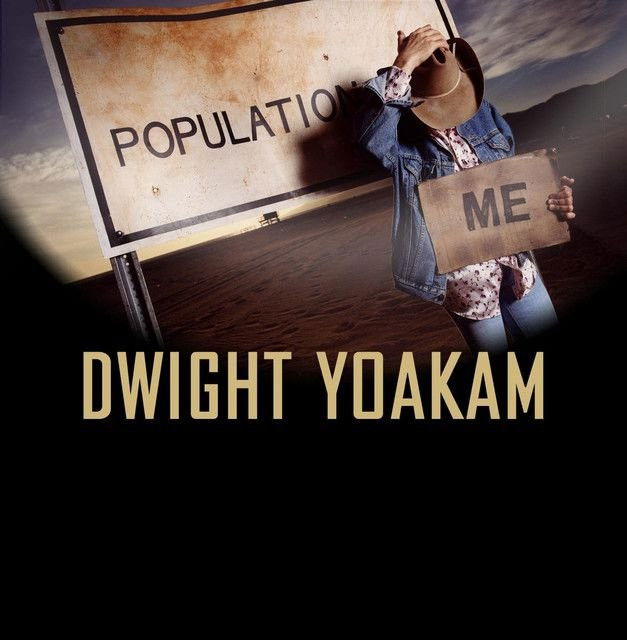
Written by Gregg (Lee) Henry and recorded by Yoakam for his 2003 album Population Me, it pairs plainspoken lyrics with a gentle, rootsy arrangement. The result feels less like a breakup speech and more like a lifesaver tossed to someone drowning in second thoughts.
Love You Know by Heart: The Core Message
At its center, the song uses the idiom back of your hand
to argue for trust. Knowing someone that well means knowing how they act when they’re scared—and how to meet them with patience.
When the narrator says Just like you know it
, they’re pointing to shared history. The pitch isn’t grand. It’s practical: their bond isn’t just romance; it’s built on little certainties that don’t vanish overnight. The song suggests that love sometimes survives not on big gestures, but on recall—the ability to remember who the other person really is when panic distorts the moment.

Watch the official The Back of Your Hand
music video
The Voice in the Room: Who’s Talking Here
The narrator speaks in the second person, addressing a partner who’s spiraling. The questions pile up, and frustration shows in flashes like What's with the rage
. Yet the tone stays tender.
They don’t argue facts so much as offer steadiness. Their message: I’m here, I haven’t changed, and I still recognize you. That stance—calm, present, undramatic—becomes the song’s moral center.
A Relationship Told in Snapshots
The lyrics sketch quick scenes instead of a full plot. Key beats include:
- A tense calm: they sit with fear and overthinking, trying to say “it’s fine,” even when it isn’t.
- A wry dare:
Pick a number one to two
playfully hints there’s only one real answer—commitment. - Confusion flares: questions about what changed and why emotions are so raw.
- Gentle anchoring: the narrator recalls the partner’s comforting needs—one of those long, grounding kisses—and everyday habits like
two sugars with a splash of cream
. - A reset: the refrain returns to familiarity, turning memory into a lifeline rather than a trap.
Why the Hook Lands: Familiarity as Proof
The hook works because it’s humble. First glance is not what it seems
warns against snap judgments driven by fear. Instead of promising perfect love, the narrator points to evidence: they remember the partner’s quirks and rituals; they’re consistent; they know the story by heart.
Interpretation: the song argues that intimacy is a kind of map. When feelings blur, the map can guide two people back to the center. The chorus offers reassurance without pressure, inviting the partner to recognize what’s still true.
Sounds Like Reassurance: Production That Sighs
Yoakam’s recording keeps the arrangement spare and steady—acoustic guitar up front, brushed rhythms, and plaintive steel lines. His distinct tenor, long associated with Bakersfield-influenced country, sits close to the mic and avoids showy lifts. That restraint matters: the performance sounds like a real conversation, not a stage monologue.
Population Me arrived in 2003, with Yoakam again working alongside producer and guitarist Pete Anderson. Their long partnership often blended honky-tonk roots with West Coast polish. Here, they aim for warmth and space. The mix leaves room for the lyric’s pauses and sighs, mirroring how a careful partner lets silence do some healing.
Other Ways to Hear It
Interpretation: one reading hears a plea against a breakup, with the narrator using the past to steady a rocky present. Another sees a song about anxiety or depression within a relationship—the partner’s world has gone colorless, and the narrator counters with touch, memory, and patience.
A third angle: the lyric doubles as self-coaching. By repeating what they know—of the partner and themselves—the narrator talks both of them off the ledge. The ambiguity is part of the appeal; it lets listeners bring their own crossroads to the song.
Final Word on a Faded-Color Love
“The Back of Your Hand” doesn’t promise fireworks. It offers something rarer: the safety of being known. For anyone wondering about the meaning of The Back of Your Hand Dwight Yoakam, this track says that love endures not only in big vows, but in remembered details, a calm voice, and the choice to stay.
Disclaimer: Song meanings are interpretive and can vary by listener; this analysis reflects one informed reading.







