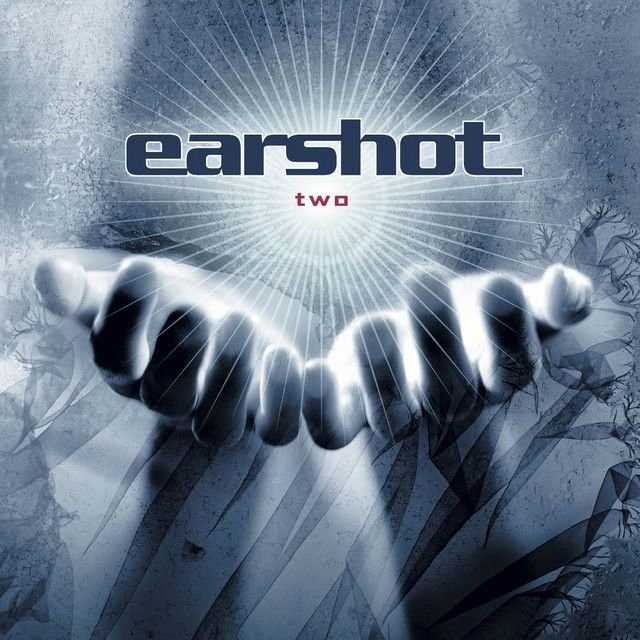
Control by Earshot
The meaning of Control Earshot comes down to one big idea: growing up means taking ownership of life. This song is not just about being stubborn or loud. It is about a speaker who looks back at youth, sees how other people shaped them, and then draws a clear line between the past and the present.
"Control" - Earshot
Did what my father said,
And let my mother mold me
Loading lyrics...
Unable to load lyrics
We're unable to display the lyrics at this time. Please try again later.
Earshot’s track uses a simple but powerful word—control—to frame that shift. In the song, control means agency, choice, and the confidence to stop living by other people’s rules.
A Song About Taking the Wheel
At its core, the song tells a coming-of-age story. The opening recalls being young and guided by parents, with the speaker admitting they once followed what they were told. That memory matters because it sets up the contrast with adulthood.
When the hook insists on in control
and later says now I'm all grown up
, the song turns personal growth into a declaration. The speaker is not asking for permission anymore. They are announcing a change.
Interpretation: The song frames adulthood not as age alone, but as self-direction. Growing up, in this reading, means deciding what values, goals, and boundaries belong to them.

Watch the official Control
music video
From Family Rules to Personal Choice
One reason the song feels relatable is that it moves through familiar stages of dependence. First, there is parental influence. Then there is early love, which the speaker describes as inexperienced and idealistic. Both phases show a person being acted on rather than acting for themselves.
That is why lines about having my own mind
and wanting to make my own decisions
feel so central. The song does not reject family or romance completely. Instead, it argues that neither should replace a person’s own judgment.
This is where the meaning of Control Earshot becomes especially clear for listeners in the United States, where songs about independence often resonate strongly. The speaker wants responsibility along with freedom. They want their life to reflect their choices, not just outside pressure.
The Chorus Works Like a Mantra
The repeated title word is the song’s main device. By circling back to control
over and over, the track sounds almost like a pep talk. It is catchy, but it also feels self-motivating.
That repetition matters because the song is not written like a complicated character study. It is direct. Every return to the chorus strengthens the sense that the speaker is building a new identity in real time.
I don't wanna rule the world,Just wanna run my life
This is one of the song’s most revealing moments. It cuts off one possible misunderstanding right away: the speaker is not chasing total power. They are asking for control over their own path, which is a much more grounded and human goal.
How the Story Unfolds
The song’s narrative is simple, but effective. It moves in a clear arc:
- The speaker remembers a teenage self shaped by others.
- They recall early love and how unprepared they were.
- They announce independence and self-belief.
- They invite others to do the same.
That last step is important. The song does not stay purely private. When it suggests people should take control when they get the chance, it becomes motivational. The speaker’s journey turns into advice.
Interpretation: This can make the track feel bigger than autobiography. It starts as one person’s statement, then grows into a general message about maturity and self-respect.
Sound and Attitude Carry the Message
Even without diving into full musicology, the production helps sell the theme. The track is commonly listed as part of Earshot’s 2004 album Two and categorized under rock in music reference sources, including Wikipedia’s entry for songs titled “Control”. That rock setting matters because the genre often leans on forceful drums, firm riffs, and a forward-driving structure.
Here, that kind of sound matches the lyric message. The song feels assertive rather than reflective. Its groove pushes ahead, as if hesitation has already been left behind.
The vocal delivery likely matters just as much as the words themselves. The repeated hook sounds less like quiet self-discovery and more like a public claim. That energy gives the song a determined tone, almost halfway between celebration and challenge.
A Useful Alternate Reading
There is another way to hear the song. Beyond basic independence, it may also be about recovery after losing direction. The references to youth, parental influence, and naïve love suggest a person who once let circumstances steer them.
Under that reading, control is not about becoming rigid. It is about rebuilding identity. The speaker is trying to become stable after being overly shaped by other people’s expectations.
That is why the song still lands: its language is broad enough to fit different situations—family conflict, heartbreak, career pressure, or just the hard process of becoming an adult.
Why the Meaning Still Connects
The meaning of Control Earshot lasts because it is easy to recognize in real life. Many people spend their teens reacting to parents, peers, or relationships before figuring out what they actually want. This song captures the moment when that changes.
Its message is blunt but effective: self-respect starts with self-direction. The speaker does not claim to control everything. They simply want to stop being controlled by everyone else.
That makes the song feel less like a power fantasy and more like a personal boundary anthem. For listeners who have ever needed to reclaim their voice, that is a strong and lasting message.
Disclaimer: This interpretation is based on the lyrics provided, common themes in rock songwriting, and available release context. As with any song, different listeners may hear different meanings.







