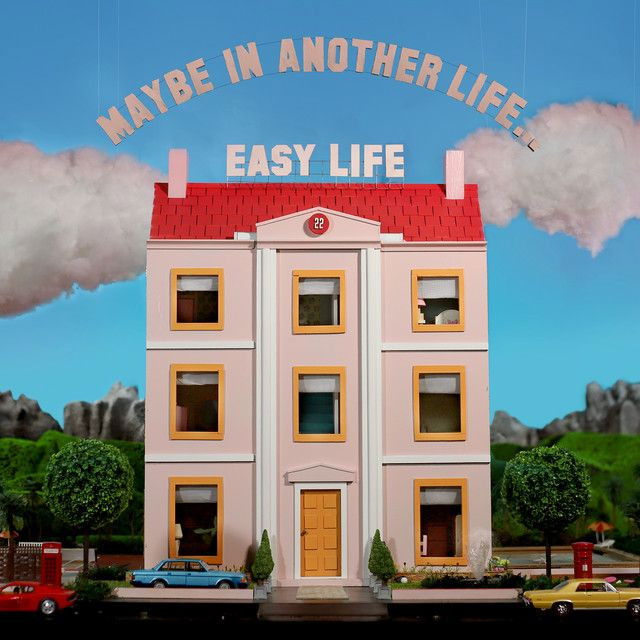
The Meaning of ‘BASEMENT’ by hard life
If you’re hunting for the meaning of BASEMENT hard life, start with the scene: a party below street level where confidence and chaos share the same couch. The narrator wants to feel seen, celebrated, and safe—but the night keeps slipping. The song turns a messy get‑together into a question about arrival: success, adulthood, or a lasting high. Do they ever get there?
"BASEMENT" - hard life
Holy shit
Ah, I love this one, I love this one
Loading lyrics...
Unable to load lyrics
We're unable to display the lyrics at this time. Please try again later.
Basements, Bottles, and the Validation Trap
From the jump, the singer grounds the story in origin and ambition. They remember when it all started off in the basement
—a literal space and a symbol for DIY beginnings. That memory collides with a modern pressure: craving praise. They admit they’re looking for some affirmation
, which frames the party as a feedback loop more than simple fun.
Around the room, status floats with the drinks. They call themselves a legend in the makin'
, yet the boast wobbles. The basement is the cradle of a dream and the pit of insecurity at once.
Watch the official BASEMENT
music video
Who’s Talking—and Who Are They Talking To?
The voice is first-person and confessional. They speak like a friend at 1 a.m., blaming the blur but still trying to steer. Memory fogs—I can't recall
—and that fog changes who the “you” might be. Sometimes it’s a guest on the couch. Other times it’s the imagined crowd they need to impress.
This shifting address makes the party feel crowded and lonely at the same time. The narrator wants approval but also privacy, insisting they don’t owe explanations even as the song becomes one.
A Night in Motion: What Actually Happens
Here’s the timeline:
- It begins in a tight room with big plans and bigger bottles.
- The gathering swells. Compliments and nerves rise together.
- An intimate breather on a two‑seater hints at romance or comfort, but it’s fleeting.
- Faces blur into strangers. Mirrors turn harsh. People confront the versions of themselves they didn’t plan to meet.
- The spiral sets in. The narrator feels the shake:
I feel the wheels coming off
.
Each beat circles the same need: to be okay with themselves and to be seen as more than okay by everyone else.
The Hook That Won’t Arrive
At the center sits a childlike refrain that becomes an adult anxiety check:
Are we there yet? Are we there yet?
The question repeats like a dashboard chant and a panic mantra. Interpretation: It means the emotional “there”—the high, the career milestone, the personal peace—keeps moving. The more they chase it, the more it recedes.
Symbols and Little Movies in the Lyrics
- The basement: origin story and underworld. It’s the place where bands form and mistakes stack up.
- The bottle: a quick fix for social courage; later, a trap.
- The mirror and unfamiliar faces: ego and alienation. The party magnifies every flaw and doubles each doubt.
- The two‑seater: a pocket of intimacy that can’t cancel the chaos around it.
Together, these images build a looping night that mimics a creative career: small room, big dreams, short bursts of glory, and the comedown.
How the Sound Drives the Spiral
Even without a score sheet, the performance feels built for motion. Interpretation: A propulsive groove likely carries the verses, while the hook opens up to mirror the “rush.” Vocals swing between talk‑sing confessions and melodic lift, cueing the listener to ride the buzz and the drop. The contrast makes the chorus question—Are we there yet?
—hit like both celebration and warning.
Alternate Reads: Party Fable or Industry Satire?
- Interpretation 1: The night-out spiral. It’s about chasing dopamine until the edges fray. Lines like
I can't recall
andI feel the wheels coming off
sketch the classic arc from glow to blur. - Interpretation 2: The hustle satire. The party stands in for the music grind. From
it all started off in the basement
to calling themselves alegend in the makin'
, the narrator pokes at how ambition can turn social life into a scoreboard.
Both readings fit because the language is casual, not clinical. The song captures a mood more than a moral, which makes it feel true.
Final Takeaway
BASEMENT sounds like a victory lap that keeps glancing at the exit sign. It shows how easy it is to swap belonging for applause, and how fast a high can become a search party. When the room spins, the only question left is the one the hook keeps asking.
This article offers an interpretive reading. Meanings vary by listener, and only the artists know their full intent.









