Why Ed Sheeran’s “What Do I Know?” Still Lands
Ed Sheeran’s “What Do I Know?” sounds casual on the surface, but its message is bigger than its laid-back groove. For listeners searching for the meaning of What Do I Know? Ed Sheeran, the song is best understood as a modest protest song: not a speech, not a manifesto, but a belief that love and ordinary human decency can push back against chaos.
"What Do I Know?" - Ed Sheeran
But God gave me a stage, a guitar and a song
My daddy told me, "son, don't you get involved in
Loading lyrics...
Unable to load lyrics
We're unable to display the lyrics at this time. Please try again later.
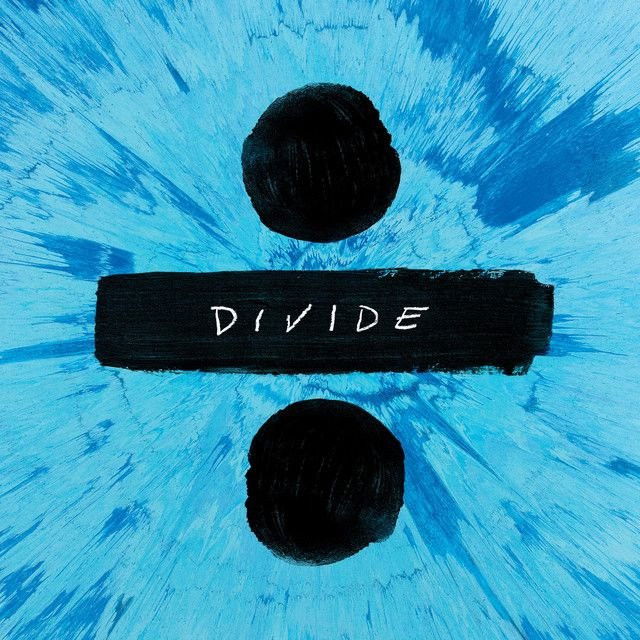
The track appeared on ÷ (Divide), released on March 3, 2017, and Sheeran has said it was a fast-written song that still captured something real about the moment around him. It was included as the album’s tenth track and later charted in several countries, including the UK and US.[1][2]
A Small Voice Facing Big Problems
The central idea is simple. The speaker does not pretend to be an expert, yet they still feel responsible for saying something hopeful. Early on, the song admits they have not got a soapbox
to preach from. That matters because it frames the whole lyric: this is not a lecture from someone claiming moral superiority.
Instead, the speaker says they have a stage, a guitar, and a song. In other words, music is the tool they actually have. That line turns the song into a statement about artistic responsibility. If they cannot fix markets, governments, or public anger, they can still send out a message.

Watch the official What Do I Know?
music video
The Chorus Hides a Clever Tension
The hook is built around two ideas that pull against each other. First comes the hopeful claim that love can change the world
. Then comes the shrug: what do I know?
Together, those lines create the song’s emotional balance.
On one level, the refrain is self-deprecating. It keeps Sheeran from sounding preachy. On another, it is strategic. Interpretation: the doubt makes the hope feel more believable. A grand slogan from a certain voice can sound fake. A hopeful idea from someone who openly admits their limits sounds more human.
Sheeran described the song in a Zane Lowe interview as a “knee-jerk reaction” to 2016, adding that he did not want to become an openly political singer and that his life mantra was basically that “love is everything.”[3] That comment helps explain why the song sounds civic without becoming partisan.
Family Values Over Public Noise
One of the strongest themes is inheritance. The lyric imagines future children learning what truly matters, and it points back to what family has passed down: care, generosity, and a positive outlook. That gives the song a moral center.
When the speaker contrasts those values with talk about markets and exponential growth
, the point is not that economics are meaningless. It is that public life can become so obsessed with numbers, status, and panic that it forgets people. The song pushes back by saying basic human principles still count.
A Short Lyric Snapshot
The message comes through clearly in the song’s best-known section:
I’m just a boywith a one-man show
No university, no degree, but lord knows
Everybody’s talking ’bout exponential growth
While they sit here with a song they wrote
Paraphrased, that passage sets up the song’s core contrast: experts and headlines talk in large systems, while the singer offers something smaller but more immediate—music, feeling, and connection.
Protest, But Not the Usual Kind
The song also notices unrest. The line about people marching in the street places the listener in a time of visible public tension. Yet it never turns into a fight song. Instead, it says people are made of both love and hate, with both balanced on a knife-edge.
That image is one of the song’s sharpest moments. It suggests how fragile the social mood is. Interpretation: the “revolution” in the lyric may mean political upheaval, but it can also mean a personal moral choice. People can move toward cruelty just as easily as compassion.
That is why the repeated call for positivity
matters. In weaker hands, that word might sound shallow. Here, it sounds deliberate. The song argues that staying humane is not naive; it is hard work in an angry time.
How the Sound Carries the Message
“What Do I Know?” works because its production supports the lyric. The song blends folk-pop with touches of R&B rhythm, a style noted in reference sources on the track.[2] The acoustic base keeps it intimate, while the beat gives it movement. It feels like a street-corner performance scaled up for an arena.
That matters because the lyric insists a song can help change the mood of a room, and maybe more than that. The arrangement proves the point by sounding portable and communal. Listeners can imagine it played by one person, but also sung back by a crowd.
Sheeran told People that the song was “basically written on the spot” while trying to show a record executive how quickly he could write.[4] That origin fits the finished track. It has the energy of an idea caught in motion rather than polished into something stiff.
Why the Song Still Connects
Part of the meaning of What Do I Know? Ed Sheeran is that it refuses false certainty. The singer sees protests, division, money talk, and cultural pressure, but does not answer with ideology. They answer with humility and a belief that songs can still carry values.
That is probably why Sheeran said he wanted to end shows with it, so people would leave with the message of love in their heads.[2] The song is not saying love solves everything overnight. It is saying that without love, nothing else means much.
Final Take
“What Do I Know?” is about the limits of a pop star’s authority and the power of a pop song anyway. It turns uncertainty into honesty, then turns honesty into hope. Its message is modest, but that modesty is exactly what gives it force.
Disclaimer: This article offers interpretation alongside documented artist comments and release facts. Song meaning can remain open to individual listeners.







