
Don't Cry for Me Argentina by Elaine Paige
The meaning of Don't Cry for Me Argentina Elaine Paige starts with a voice trying to close the gap between public image and private feeling. In Evita, this song is sung by Eva Perón as she addresses Argentina from the Casa Rosada balcony. The words sound comforting on the surface, but underneath them is a careful defense: she wants the people to believe that success did not erase her bond with them.
"Don't Cry for Me Argentina" - Elaine Paige
When I try to explain how I feel
That I still need your love after all that I've done
Loading lyrics...
Unable to load lyrics
We're unable to display the lyrics at this time. Please try again later.
The song was written by Andrew Lloyd Webber and Tim Rice for the Evita project in the mid-1970s, first appearing on the 1976 concept album before the stage musical opened later on. Elaine Paige then became the original London stage Eva, which is why her name remains closely tied to the song for many theater fans. Those broad facts are well documented in major reference sources on the song and musical history.
A Public Speech That Sounds Like a Love Song
What makes the song powerful is that it works on two levels at once. On one level, Eva speaks like a political figure trying to reassure a nation. On another, she sounds like someone asking loved ones not to turn away.
Early in the lyric, the speaker admits change. Phrases like it won't be easy
and I had to change
show that she knows people may no longer trust her. She is no longer the poor girl they remember. She has moved upward, and she knows that transformation can look like betrayal.
That tension drives the whole song. She is not denying ambition. Instead, she is trying to explain it. The lyric presents her rise as necessary, not shameful, while asking the public to see continuity beneath the glamour.
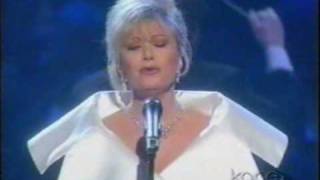
Watch the official Don't Cry for Me Argentina
music video
The Core Message in the Chorus
The famous refrain is a request not to grieve, but also not to misread her. When she says I never left you
, the point is emotional rather than literal. She has changed socially and politically, yet she insists her loyalty stayed intact.
This is where the song becomes more than biography. It is about the fear that success can make love feel conditional. The speaker wants to be seen as the same person at heart, even after entering wealth, influence, and spectacle.
Interpretation: This is why the chorus hits so hard. It is not just patriotic. It is a plea for recognition. She wants Argentina to believe that public distance does not equal emotional abandonment.
Verses About Reinvention and Regret
The verses map out a clear journey:
- She admits people will find her unfamiliar.
- She explains that poverty and limitation could not hold her.
- She says freedom and new experiences did not fully satisfy her.
- She returns to the idea that love and belonging mattered most.
A short phrase like so I chose freedom
matters because it shows agency. She did not drift into change; she pursued it. But the next emotional turn is just as important. The lyric suggests that novelty and status were not enough. What looked glamorous from the outside felt incomplete inside.
That idea prepares the later claim that fortune and fame are illusions
. In simple terms, the song argues that public success cannot replace human connection. Whether listeners take that as fully sincere is another question.
Sincerity or Self-Myth? Both Readings Fit
One reason the song remains fascinating is its ambiguity. Tim Rice reportedly described the lyric as a polished public speech full of emotional appeal, even a kind of self-mythologizing rhetoric. That comment matters because it opens a second reading.
Interpretation 1: Eva means every word. She truly believes her ambition served a larger bond with the people.
Interpretation 2: Eva is performing sincerity. She knows exactly how to turn vulnerability into political theater.
Both readings work because the lyric is so carefully balanced. It includes confession, but never complete surrender. It sounds intimate, yet it is designed for an audience. Even the line about wild days
feels selective: she admits enough to seem honest, but not enough to lose control of the story.
Why Elaine Paige's Version Matters
Elaine Paige's importance comes from performance context. Julie Covington had the first major recording, but Paige embodied Eva in the original London production of Evita. That stage association shaped how audiences heard the song: not just as a pop ballad, but as a dramatic turning point.
In performance, Elaine Paige brought a strong theatrical clarity to the role. That matters because the song lives or dies on tone. If sung too softly, it can seem only sentimental. If sung too forcefully, it can feel cold. The best interpretations, including Paige's stage legacy, keep both feelings alive at once: tenderness and calculation.
How the Music Carries the Meaning
The arrangement helps explain why the song feels so grand. Accounts of the original production describe flowing tempo, orchestral sweep, choral textures, and a climactic finale. The music rises like a ceremonial address, but it also leaves room for vulnerability.
That combination mirrors the lyric's double purpose. Strings and orchestra suggest national scale, while the melody itself moves like a confession. The result is a song that feels private and public at once.
This is also why it crossed beyond theater and became a major hit. Even outside the plot of Evita, listeners could hear the universal conflict: what happens when someone changes, rises, and then asks to still be loved.
Why the Song Still Lands Today
For U.S. listeners, the lasting appeal is easy to understand. The song speaks to image management, celebrity, class mobility, and the difference between who someone is and how they are seen. Those themes feel modern even in a historical musical.
The meaning of Don't Cry for Me Argentina Elaine Paige is ultimately about persuasion under pressure. The speaker wants forgiveness, loyalty, and emotional closeness, while standing in the very spotlight that makes those things harder to trust.
That is what gives the song its staying power. It is beautiful, but it is also uneasy. It asks for love while defending ambition. It promises intimacy in the language of public performance.
Disclaimer: This interpretation blends documented context about Evita with critical reading of the lyrics and performance. Meaning can vary by production, singer, and listener.







