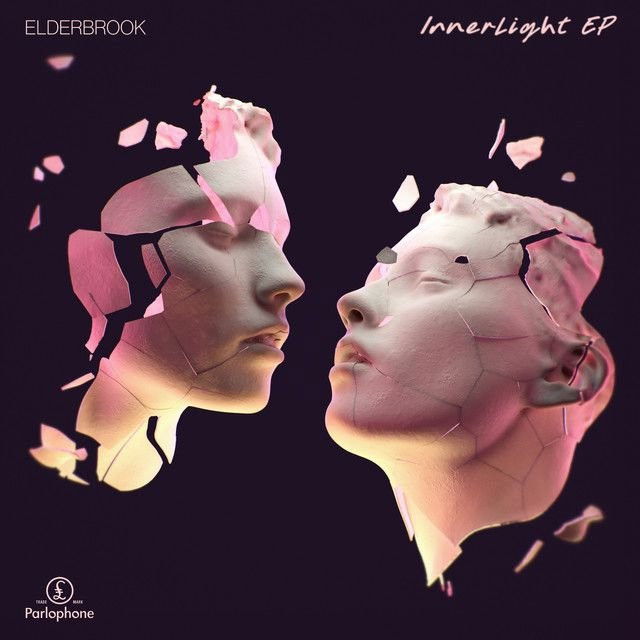
Broken Mirror by Elderbrook
Why This Song Feels So Unsettling
The meaning of Broken Mirror Elderbrook seems rooted in a painful split between the person someone is and the person they wish they could be. The lyrics describe someone who feels worn down, emotionally distant, and hard to recognize even to themselves. Rather than telling a detailed story, the song builds a portrait of inner instability.
"Broken Mirror" - Elderbrook
Shut off and tired at times, but I am
I don't wanna be distant and cold
Loading lyrics...
Unable to load lyrics
We're unable to display the lyrics at this time. Please try again later.
That is why the title image matters so much. A mirror should show one clear reflection. A broken mirror shows fragments. In this song, that fractured image becomes a metaphor for identity, mood, and self-perception.
Watch the official Broken Mirror
music video
A Portrait of a Self That Keeps Shifting
Early on, the song presents a person who does not want to be closed off or exhausted, but admits that this is where they are. The phrase broken and quiet
captures that conflict in a compact way. They are not proud of their state, and they are not pretending it feels noble.
The next idea deepens the problem. The fear is not only sadness; it is becoming emotionally unavailable long enough that nobody can see the real person anymore. When the lyric mentions being distant and cold
, it suggests both depression and self-protection. The speaker seems aware that withdrawal may shield them, but it also hides them.
Interpretation: This makes the song less about one bad night and more about a long-term crisis of identity. They are scared that pain is changing their personality.
The Chorus Turns Identity Into the Main Symbol
The chorus gives the song its strongest metaphor: I am a broken mirror
. That line does not simply say the speaker is hurt. It says their sense of self is fractured. A mirror usually confirms who someone is. Here, it cannot.
The follow-up idea, different person every night
, adds motion to the image. This is not one stable version of a broken self. It is a constantly changing one. Nights often carry ideas of isolation, partying, insomnia, or private thoughts, so the lyric can point to emotional swings, social masks, or the strange versions of self people become after dark.
There is also a strong line about wanting to destroy the false front. The wish to rip off my disguise
suggests the speaker knows they are performing at least part of their life. They do not just feel fractured; they feel hidden behind a role.
Wanting Escape, Not Finding Relief
One of the song’s most telling details is the image of adding something to lemonade. The exact substance is left vague, but the meaning is clear enough: the speaker wants help numbing pain. The lyric implies self-medication, or at least the temptation of it.
What matters more is that the song refuses to present this as a solution. It first hints at relief, then undercuts it by admitting nothing really removes the hurt. That shift is important. The song is not celebrating reckless coping. It is showing how weak and temporary that relief feels.
The Social Mask at the Center of the Song
In the second verse, the speaker describes the person they want to be: lively, magnetic, playful, and relaxed. They want to brighten the room and move through life with ease. This dream clashes with the shut-down person from the first verse.
That contrast may be the emotional heart of the meaning of Broken Mirror Elderbrook. On one side is the ideal self: charming, warm, socially free. On the other is the actual self: tired, guarded, and mentally tangled. The song lives in the space between those two identities.
Interpretation: This can be read as a song about masking. They may be trying to act fun and composed in public while feeling fragmented in private. The recurring words in my head
support that reading, because they pull the song inward at the exact moment it sounds largest.
How the Sound Supports the Lyrics
Elderbrook is known for blending electronic production with intimate vocals, often making dance music that still feels psychologically close. That style fits this song’s message. Even without a dense instrumental breakdown in the lyrics, the repeating hook and hypnotic structure mirror obsessive thought.
The production likely matters as much as the words. A looped chorus can make the identity crisis feel inescapable, while a controlled vocal delivery can sound detached in a way that matches the emotional numbness in the verses. Then, when the hook expands, the song creates a tension common in modern electronic pop: the body wants motion while the mind feels trapped.
That is one reason the song lands so hard. It can work on a dance floor, but its emotional content points inward. The contrast between movement and distress reflects the speaker’s split self.
A Few Strong Ways to Read the Song
There are at least two convincing interpretations:
- Mental health reading: The song describes depression, anxiety, or emotional burnout through fractured-self imagery.
- Social identity reading: The song is about wearing different faces at night, especially in social or party settings, until the real self feels lost.
Both readings fit because the lyrics keep moving between public behavior and private pain.
What Broken Mirror Ultimately Means
At its core, this song seems to be about the terror of not feeling whole. The speaker wants connection, confidence, and relief, but keeps returning to fragmentation instead. The mirror image turns that struggle into something vivid and easy to feel.
For many listeners, that is the power of the track. It names a modern kind of alienation: being visible to everyone else while still feeling unrecognizable inside.
Disclaimer: This interpretation is based on the released lyrics and publicly available song context. Like most songs, Broken Mirror can support more than one valid reading.









