Why 'The Bait' by Electric Guest Feels So Restless
The meaning of The Bait Electric Guest comes into focus as a song about pressure, temptation, and the hard search for a real sense of home. On the surface, it sounds loose and catchy. Underneath, it is full of anxiety about money, work, modern life, and the fear of becoming trapped by the very things people are told to chase.
"The Bait" - Electric Guest
All of the bait
The god of email wants me to stay
Loading lyrics...
Unable to load lyrics
We're unable to display the lyrics at this time. Please try again later.
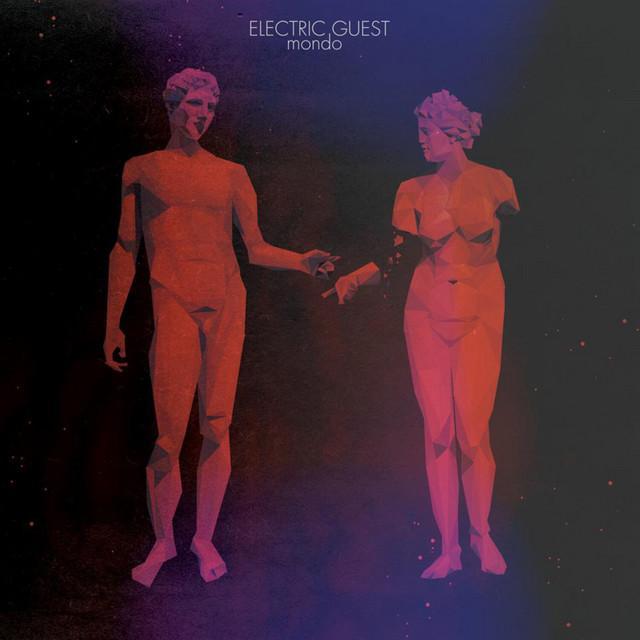
Electric Guest, the Los Angeles band led by Asa Taccone with drummer Matthew Compton, often mixes bright pop with uneasy ideas. That contrast helped define their early sound on Mondo, the 2012 debut co-produced by Brian Burton, better known as Danger Mouse. In that context, “The Bait” fits well: it is stylish and melodic, but emotionally unsettled.
The Hook Behind the Trap
At its core, the song seems to describe a person waking up to the systems trying to pull them in. The title suggests a lure. “Bait” is something attractive on purpose, meant to catch someone before they fully understand the cost.
The opening lines set that up quickly. The singer recalls pressure returning all at once, then points to all of the bait
. That phrase suggests not one single temptation, but a whole world of them: career success, approval, status, routine, and digital distraction.
The strange phrase god of email
makes the message sharper. It turns daily communication into a kind of modern ruler. Instead of freedom, the narrator feels managed by notifications, expectations, and work culture. The joke in the image does not hide the stress; it makes the stress easier to recognize.

Watch the official The Bait
music video
Money, Advice, and the Cost of Fitting In
One of the strongest ideas in the song is the conflict between practical advice and personal freedom. The father figure says Go for the pay
, which sounds like old-school survival wisdom. Earn money. Be responsible. Pick security.
But the singer pushes back. They admit they want escape more than obedience. That is not just rebellion for its own sake. It sounds like a person who fears that chasing stability may also mean losing themselves.
This becomes even clearer in the line about becoming a fool
being part of the price. Paraphrased, the song suggests that entry into adult systems can require self-betrayal. To belong, they may have to act against their own better judgment. That is a bitter insight, and it gives the song its emotional sting.
The Chorus Turns Longing Into the Main Theme
If the verses describe traps, the chorus names the deeper wound: they cannot find home. That word matters because it is bigger than a house or hometown. Here, home sounds like peace, identity, and emotional safety.
Why can't we find home?Wandering on our ownWe're still searching for home
This is the song's emotional center. The speaker moves from private frustration to a shared condition. Notice the shift to “we.” The problem is no longer just one person having a bad day. It becomes a broader portrait of a generation drifting through work, cities, screens, and expectations without feeling rooted.
Interpretation: the chorus suggests that endless movement can become its own trap. People keep searching, but the systems around them offer substitutes for belonging instead of the real thing.
Family Voices and Mixed Guidance
The song also uses mother and father references in an interesting way. The father offers a rule about money. The mother seems to understand the emotional danger, recognizing that life could wear the narrator down.
Neither parent is painted as a villain. Instead, they represent different forms of inheritance: material advice on one side, emotional awareness on the other. The result is confusion rather than clarity. The singer is left wondering not only what to do, but who built this world and why it works this way.
That question appears in the line about the why
in the “how.” In plain terms, the song is not satisfied with instructions. It wants meaning. It wants a reason for the system, not just the method for surviving inside it.
Sound That Smiles While the Lyrics Worry
Part of what makes “The Bait” memorable is how its music pushes against its message. Electric Guest are known for retro-minded indie pop, soul touches, electronic polish, and falsetto vocals, a style noted in coverage of the band and their debut era. Here, that mix creates tension.
The groove feels light on its feet. The melody is sticky. The drums and arrangement keep things moving. Yet the lyrics are full of disillusionment, waiting, and alienation. That mismatch matters because it mirrors the theme itself: modern life often packages exhaustion in bright colors.
Danger Mouse's role in shaping the band's debut sound also matters here. Reviews of Mondo often noted how the record paired catchy pop with thoughts about fame, emptiness, and life in Los Angeles, including a brief Rolling Stone review. “The Bait” fits that world almost perfectly.
A Song About Work Culture, or Something Bigger?
There are at least two strong ways to read the track.
Reading One: a critique of modern work life
This is the most direct interpretation. Email, pay, waiting, and social hierarchy all point to a person resisting a life built around labor and status. The “luckiest kids” wearing the crown may represent people who seem successful but do not truly understand the emptiness beneath the image.
Reading Two: a wider search for identity
The song can also be heard as more existential than economic. In that version, the bait is not just money. It is every false promise that keeps people from building a meaningful life. “Home” then becomes inner peace, not a place on a map.
Both readings work because the lyrics stay open enough to hold them together.
Why the Song Still Connects
The meaning of The Bait Electric Guest lasts because the song identifies a familiar feeling: being told what should matter, then realizing those rewards may leave them hollow. Its smartest move is refusing to separate social criticism from personal loneliness. The systems are big, but the ache is intimate.
In the end, “The Bait” is less about rejecting adulthood than questioning its terms. It asks what people trade away to feel secure, and why belonging can feel so hard to reach.
Disclaimer: This interpretation is based on the song's lyrics, sound, and available artist context. Like many songs, “The Bait” can support more than one valid reading.








