Why ELO’s “Mission” Sees Earth Like an Alien
The meaning of Mission (A World Record) Electric Light Orchestra comes into focus when they treat Earth as if it is being observed by a visitor from far away. On the surface, the song sounds like science fiction. Underneath, it is a gentle, sad study of human life, especially the gap between the planet’s beauty and the pain people live through every day.
"Mission (A World Record)" - Electric Light Orchestra
To reach a place they call the planet Earth,
There was to be a celebration,
Loading lyrics...
Unable to load lyrics
We're unable to display the lyrics at this time. Please try again later.
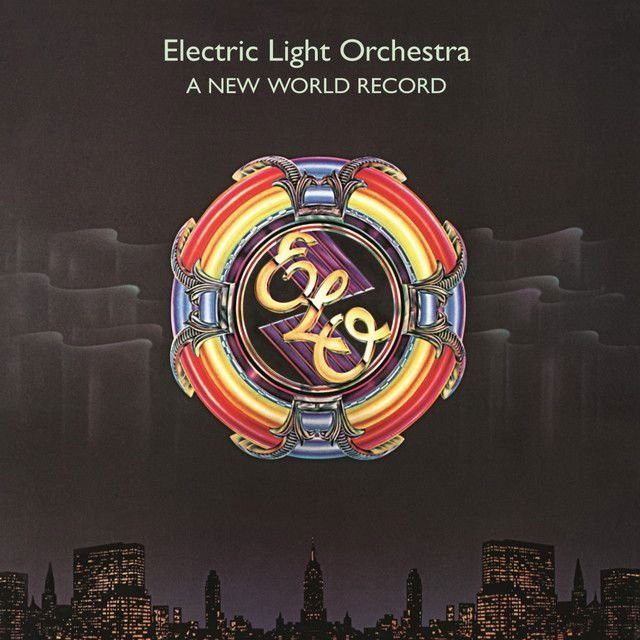
Jeff Lynne wrote the song for ELO’s 1976 album A New World Record, a record that helped define the band’s mix of pop hooks, orchestral color, and futuristic mood. In “Mission,” that style serves a bigger idea: distance can reveal truth. By looking at Earth through unusual eyes, they make ordinary suffering feel newly visible.
The Song’s Core Message From Orbit to Street Level
At its heart, “Mission (A World Record)” is about observation. The narrator arrives from a distant place and is assigned to watch life on Earth. That setup turns the song into a report from an outsider, someone who can see both wonder and damage without taking either for granted.
The opening frames Earth as beautiful from afar, almost dreamlike. The planet appears blue, soft, and suspended in color. But once the traveler lands, reality changes. The song quickly moves from cosmic awe to human hardship. That contrast is the key to the song’s meaning.
Interpretation: ELO seem to suggest that people often romanticize the world from a distance, but real understanding only begins up close. Beauty is real, but so is misery.
Watch the official Mission (A World Record)
music video
A Narrator Who Watches More Than They Act
One of the song’s most important details is that the speaker is not a hero. They are a witness. Their job is to sit, study, and ask questions. That makes the song feel reflective rather than dramatic.
The repeated question How’s life on Earth?
sounds simple, but it carries a lot of weight. It is not just curiosity. It sounds like a moral test. When the observer sees hardship on the ground, the question becomes harder to answer.
Later, the song sharpens that idea with What is it worth?
This turns the piece from travelogue into philosophy. The issue is no longer just what Earth looks like, but what human life means under unfair conditions.
The Image That Changes Everything
The clearest emotional turn comes when the song leaves the stars and focuses on one painful scene. They describe a mother and baby on a worn sidewalk, stripped of comfort and hope. In a few lines, the song brings global suffering into one human picture.
That is why the phrase vale of tears
matters so much. It borrows old religious language to suggest that pain on Earth is not rare or accidental. It is part of the human condition. At the same time, someone is still singing nearby, which adds a trace of dignity and survival.
Watching all the days roll by
Who are you and who am I?
How’s life on Earth?
This brief refrain sums up the song’s mission. The observer watches time pass, questions identity, and then returns to the state of the world. Personal identity and social reality are linked. They cannot understand who they are without asking what kind of world they are living in.
Why “Mission of the Sacred Heart” Matters
The title phrase gives the song its spiritual layer. The words sacred heart
suggest compassion, sacrifice, and moral duty. In Christian imagery, the Sacred Heart is tied to suffering love. ELO do not turn the song into a sermon, but they do use that language to make the mission feel solemn.
Interpretation: the “mission” may be more than a space assignment. It may symbolize a calling to witness suffering honestly. The observer is not just gathering data. They are confronting the broken places of human life with empathy.
That idea fits the song’s mix of distance and tenderness. They are detached enough to notice patterns, yet moved enough to ask what life is worth.
How the Music Supports the Meaning
The production matters a lot here. ELO were known for blending rock with strings, layered vocals, and studio polish, a style often linked to Jeff Lynne’s songwriting and production approach. According to Jeff Lynne’s ELO, Lynne was the band’s central creative force, and “Mission” shows how carefully he used arrangement to shape emotion.
The song moves with a floating, measured pace. Instead of pushing forward like a rock anthem, it drifts. That gives the track a hovering quality, as if the narrator is suspended between worlds. Soft orchestral textures and stacked harmonies create a sense of wonder, but they never become triumphant.
That restraint is important. If the music were bigger or more aggressive, the song’s sadness might feel overstated. Instead, the gentle arrangement lets the listener sit with the contrast between celestial beauty and earthly pain.
Two Strong Readings of the Song
There are at least two useful ways to hear “Mission.”
The science-fiction reading
On the literal level, the song is about a traveler sent to Earth to observe humanity. In this reading, the chorus Living on the Earth
sounds almost like field notes from an alien mind trying to understand a strange species.
The humanist reading
Interpretation: the space story may be a device that helps people see themselves more clearly. By pretending that Earth is foreign, Lynne exposes how normalized suffering has become. The outsider notices what insiders ignore.
Both readings work at once, which is part of the song’s strength.
Why the Song Still Connects
The meaning of Mission (A World Record) Electric Light Orchestra endures because its questions still feel current. People still live with the split between a beautiful world and an unequal one. They still struggle to match grand ideals with daily reality.
“Mission” does not offer a fix. Instead, it asks listeners to look carefully. From the heavens, Earth seems radiant. On the ground, people face grief, poverty, and confusion. ELO hold both truths together, and that balance gives the song its quiet power.
In the end, they turn observation into compassion. That may be the song’s real mission.
Disclaimer: This interpretation separates documented context from informed reading. As with many ELO songs, some meanings remain open to the listener.








