Why 'Telephone Line' Still Hurts
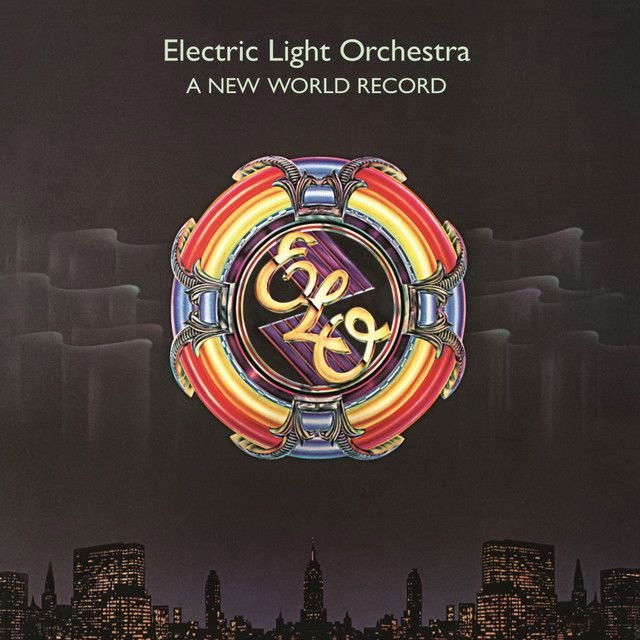
The meaning of Telephone Line Electric Light Orchestra comes down to a simple but painful scene: someone calls an old love, waits for an answer, and slowly realizes the distance between memory and reality. Released on ELO's 1976 album A New World Record and written by Jeff Lynne, the song became one of the band's most loved singles because it turns a small everyday act into a full emotional drama.
"Telephone Line" - Electric Light Orchestra
Have you been alright through all those lonely
Lonely, lonely, lonely, lonely nights?
Loading lyrics...
Unable to load lyrics
We're unable to display the lyrics at this time. Please try again later.
Rather than sounding angry, the song sounds suspended. They place the listener inside the long pause between hope and acceptance. That is why it still connects so strongly.
A Breakup Song Built Around Waiting
At its core, "Telephone Line" is about failed connection. The narrator wants to speak honestly, but that honesty depends on the other person answering. Early on, they imagine what they would say if the call goes through, using a greeting like Hello, how are you?
to show both care and nervousness.
That matters because the song is not about a dramatic fight. It is about the quieter pain that comes after. The relationship seems real and important in memory, yet it now feels far away. When the singer recalls things that were all for real
, they are trying to defend the past against the fear that it meant more to them than to the other person.
Interpretation: the phone is not only a device. It becomes a test. If the person answers, the past still has a chance. If they do not, the silence becomes its own answer.

Watch the official Telephone Line
music video
The Story Moves From Hope to Twilight
The song unfolds in a very clear emotional sequence:
- They prepare what they want to say.
- They remember the relationship as genuine.
- No one answers.
- Waiting turns into a strange, half-lit sadness.
That final stage is captured by the repeated image living in twilight
. In plain terms, twilight is neither day nor night. Emotionally, that makes it a perfect symbol for someone stuck between moving on and holding on.
The same thing happens with the color language. The phrase Blue days, black nights
is simple, but effective. Blue suggests depression; black suggests deeper isolation. Together, they paint a world where time drags and mood darkens.
Why the Chorus Feels So Devastating
The chorus gives the song its emotional center. The plea to the telephone line
sounds almost childlike, as if the singer is asking the machine itself for mercy. That small shift is powerful. They are no longer really talking to the lost lover; they are talking to the empty space between them.
Telephone line, give me some time
I'm living in twilight
Paraphrased, the singer is asking for a little more time before reality fully settles in. They know the call may fail, but they are not ready to let go yet.
Interpretation: this is why the song feels so human. Many breakup songs focus on what happened. "Telephone Line" focuses on the moment when someone still believes one more try might change everything.
Jeff Lynne's Production Turns Silence Into Sound
Part of the song's meaning comes from how it sounds. ELO were known for blending rock and pop with orchestral textures, a style documented in overviews of the band's career and catalog from sources like the Rock & Roll Hall of Fame and AllMusic. On this track, Jeff Lynne uses that style in a more delicate way.
The arrangement feels dreamy, slow, and spacious. The opening creates the sense of a real phone connection before the full song blooms, which helps stage the drama immediately. Soft keyboards, layered harmonies, and a gentle beat do not push the story forward; they let it hang in the air.
Lynne's vocal also matters. He does not sing like someone making a grand speech. He sounds tentative, almost embarrassed by how much he still cares. That restraint keeps the song believable.
The Backing Vocals Add Another Meaning
One of the smartest touches is the background response in the chorus. Those lines sound like outside voices, almost like fate commenting on the singer's hopes. They suggest the world already knows the relationship will not be repaired, even if the caller does not want to accept it.
Interpretation: this creates two emotional layers at once. The lead vocal is hope. The backing vocal is reality.
Memory, Technology, and Loneliness
For American listeners today, part of the song's charm is that it turns old phone technology into a timeless symbol. The landline setup dates the scene, but the feeling is modern. People still stare at screens, wait for replies, and read meaning into silence.
That is why the song has lasted. It is not really about telephones. It is about the agony of reaching out when they are no longer sure they are wanted.
Another reason it endures is that it avoids blame. The narrator does not insult the other person or demand revenge. They simply sit with uncertainty. That gives the song emotional maturity and leaves room for listeners to bring in their own history.
The Best Way to Read the Ending
By the end, nothing is neatly solved. There is no answer, no reunion, and no full release. The repetition itself becomes the ending. They stay in the feeling because that is the point: heartbreak often has no final speech, only the same thought circling again.
So, the meaning of Telephone Line Electric Light Orchestra is not just longing. It is longing trapped in time. The song captures the painful gap between what someone wants to say and what the world gives back.
That is what makes it so moving. It understands that sometimes the saddest part of love is not the goodbye. It is the ringing.
Disclaimer: This interpretation blends widely accepted analysis with informed reading of the lyrics, performance, and production. Song meaning can remain open to individual listeners.








