Why "Same God" Turns Memory Into Faith
The meaning of Same God Elevation Worship, Jonsal Barrientes comes down to one big idea: the song argues that God’s character does not change, so believers can pray with confidence now, not just admire miracles from long ago. Instead of treating Bible stories like distant history, the song pulls them into the present tense.
"Same God" - Elevation Worship ft. Jonsal Barrientes
Whose love endures through generations
I know that You will keep Your covenant
Loading lyrics...
Unable to load lyrics
We're unable to display the lyrics at this time. Please try again later.
That is why it connects names from scripture to current pain, fear, and hope. The message is simple but powerful: the God who helped before can help again.
A Worship Song Built on Remembering
At its core, “Same God” is a prayer of comparison. The singer looks back at stories tied to Jacob, Moses, Mary, and David, then asks for that same care in a modern life. When they sing God of Jacob
or God of Moses
, they are not just listing Bible characters. They are building a bridge between past faithfulness and present need.
Interpretation: this structure matters because memory becomes evidence. The song suggests that faith is not blind optimism. It is trust based on what God has already shown in sacred history.
That is why the central plea, I need You now
, lands so hard. The song is not only praising God for old wonders. It is asking for direct intervention today.
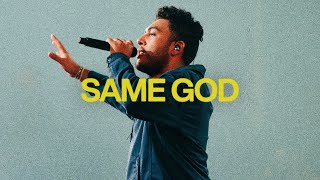
Watch the official Same God
music video
Why the Biblical References Matter
Each person named in the verses carries a different spiritual image. Jacob points to covenant and endurance across generations. Moses represents rescue and impossible deliverance. Mary suggests grace given to the lowly. David stands for courage in the face of outsized fear.
By stacking those examples, the song covers many kinds of struggle. Some people need rescue. Some need courage. Some need reassurance that they have not been forgotten.
The Real Weight of the Chorus
The chorus is where the song stops surveying history and turns fully personal. The repeated cry for help, followed by standing on Your faithfulness
, gives the whole track its emotional center. The point is not that life is easy. The point is that trust has somewhere firm to stand.
That image of standing matters. It suggests stability in the middle of pressure. Rather than promising instant relief, the song promises a foundation.
From Private Prayer to Shared Anthem
As the song continues, its language widens. It begins as an individual prayer, then grows into a room-wide declaration. Lines about God hearing children, answering prayer, providing, healing, and saving turn the song into a communal confession.
You heard Your children then
You hear Your children now
This is the clearest summary of the song’s theology. Past action is not nostalgia; it is proof of present attention.
How the Sound Carries the Message
Elevation Worship is known for building live worship songs that start intimate and expand into full congregational moments, a style heard across their releases and live recordings from the church-based collective. In “Same God,” that approach supports the lyric perfectly.
The arrangement begins with a reflective feel, usually led by piano and restrained accompaniment. As the song moves forward, drums, layered vocals, and sustained chords create lift. That musical rise mirrors the lyric’s movement from personal need to public confidence.
Jonsal Barrientes’ vocal delivery is also key. They do not sound detached or purely polished. They sound prayerful, which helps the repetition feel sincere rather than mechanical. In worship music, repetition often serves participation, and here it deepens the core claim instead of merely filling space.
Artist Context and Songwriting Intent
The song was written by Brandon Lake, Pat Barrett, Steven Furtick, and Chris Brown, all major figures in modern worship songwriting. Their work often aims for clear theological language, emotional accessibility, and melodies that a congregation can sing together.
That context helps explain why “Same God” is so direct. It is not trying to be mysterious. It is built for church spaces where listeners may come in carrying grief, fear, or exhaustion and need language for both memory and hope.
Interpretation: the final call for the Holy Spirit to fill me again
pushes the song one step further. It is not only about believing correct ideas about God’s consistency. It is about asking for fresh experience, renewal, and inner transformation in the present moment.
A Song About Giants People Still Face
One of the smartest moves in the lyric is admitting that modern listeners may not face literal Goliaths, but they still have giants. That line keeps the song from feeling trapped in ancient imagery. It translates scripture into daily life: anxiety, illness, financial strain, doubt, family stress, or spiritual fatigue.
That makes the song broadly relatable. Even listeners who know the Bible well are not asked to stay in the past. They are invited to see their own troubles in that same story pattern.
Final Take on the Meaning of Same God Elevation Worship, Jonsal Barrientes
The meaning of Same God Elevation Worship, Jonsal Barrientes is about continuity: the same God who made covenant, rescued people, lifted the humble, and strengthened the weak is still active now. The song turns biblical memory into present-tense faith.
Its lasting appeal comes from that mix of simplicity and reassurance. It tells listeners they do not need a new God for a new problem. They need trust in the One who has not changed.
Disclaimer: This interpretation is based on the lyrics, performance style, and known worship context. As with any song, listeners may hear personal meanings that go beyond this reading.








