
Why ‘This Is the Kingdom’ Feels So Direct
The meaning of This Is the Kingdom Elevation Worship, Pat Barrett starts with a simple move: it takes Jesus’ words from the Sermon on the Mount and turns them into a worship anthem. Rather than telling a story with characters or plot twists, the song lists the kinds of people Jesus calls blessed and then answers with a repeated claim: This is the Kingdom
.
"This Is the Kingdom" - Elevation Worship ft. Pat Barrett
For theirs is the Kingdom of Heaven
Blessed are those who mourn
Loading lyrics...
Unable to load lyrics
We're unable to display the lyrics at this time. Please try again later.
That makes the song feel both ancient and immediate. It is rooted in Scripture, especially Matthew 5 and Matthew 6, but it is arranged to sound like a present-tense invitation rather than a lesson from the past. The result is a worship song about what God values, who receives His comfort, and how believers should set their priorities.
Where the Song Gets Its Core Message
Factually, the lyric draws heavily from the Beatitudes in Matthew 5 and the command to seek God’s kingdom first in Matthew 6:33. The credited writers are Christopher Joel Brown, Jason Ingram, Patrick Barrett, and Steven Furtick, as provided in the song credits.
The verses move through a series of people Jesus names as blessed: the spiritually poor, those who mourn, the meek, the merciful, the pure in heart, and the persecuted. In plain terms, the song says God’s kingdom belongs not to the proud or self-sufficient, but to those who know their need.
“Blessed are the poor in spirit”
“For theirs is the Kingdom of Heaven”
That short passage sets the tone for the whole song. It frames the kingdom as upside down by worldly standards. People who seem empty, weak, or overlooked are the very ones Jesus says are close to God’s promise.
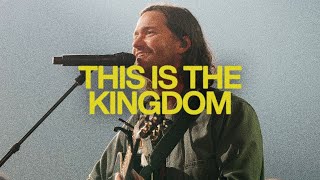
Watch the official This Is the Kingdom
music video
What the Repetition Is Doing
A lot of the song’s meaning comes from repetition. Phrases like They will be filled
, Ask and He will
, and all will be added
are not there just to be memorable. They reinforce trust.
Interpretation: The repeated lines work like a spiritual practice. By hearing the same promise again and again, listeners are invited to stop striving and start depending. The song does not argue its case with detailed theology. Instead, it sings assurance until it sinks in.
That is why the chorus matters so much. When the song keeps returning to Kingdom of Heaven
, it is not only naming a future hope. It is also naming a present set of values: mercy over power, purity over image, peace-making over conflict, and faith over self-reliance.
The Big Theme: Blessing Redefined
One of the strongest ideas in the song is that blessing is being redefined. In modern life, blessing often gets linked with success, money, influence, or comfort. This lyric pushes in the opposite direction.
The song insists that people who mourn can still be called blessed. The same goes for the meek and the persecuted. That does not mean suffering is good by itself. It means God meets people in suffering and gives dignity to those the world may ignore.
Interpretation: This is why the later spontaneous lines about not chasing money or fame fit the song’s center so well. Even if those moments sound more conversational, they sharpen the same message: the kingdom is found through surrender, not status.
How the Sound Supports the Meaning
Elevation Worship is known for building songs that move from reflective openings into large, communal choruses, as seen across their official releases on their website and YouTube channel. Pat Barrett also has a strong history of writing accessible worship songs with simple, repeatable hooks through his solo work and collaborations, documented on his official site.
In this song, that approach matters. The musical build mirrors the message. The quieter early sections feel like Scripture being spoken over the room. As the arrangement grows, the song becomes less like a recitation and more like a shared declaration.
Interpretation: That shift helps listeners move from hearing Jesus’ teaching to personally embracing it. The groove in the later sections, plus the call-and-response energy, makes the kingdom sound not distant or abstract, but alive in gathered worship.
Why “Seek First” Changes the Song
The turning point comes with Seek first the Kingdom
. Up to then, the song mainly names who is blessed. After that, it becomes a response song about what believers should do.
This matters because it connects promise with practice. If the kingdom belongs to the humble and dependent, then the right response is to seek God before everything else. The line about things being added does not read like a prosperity formula here. It sounds more like an answer to anxiety: when people put God first, they do not have to live ruled by scarcity or panic.
That is a key part of the meaning of This Is the Kingdom Elevation Worship, Pat Barrett. The song is not promising an easy life. It is promising that God sees, fills, and cares for people who orient their lives around Him.
A Worship Song, Not Just a Bible Summary
Even though the lyric is heavily scriptural, it is not merely quoting verses. It reshapes those verses into a communal confession. They are singing what the kingdom looks like, who belongs in it, and how to live toward it.
That gives the song two layers:
- Factual layer: it is built from Jesus’ teachings in Matthew.
- Interpretive layer: it presents those teachings as comfort for the needy and correction for the ambitious.
In that sense, the song’s directness is its strength. It does not hide behind metaphor. It names the kingdom plainly and asks listeners to trust that God’s way is better than the world’s way.
Final Take
The meaning of This Is the Kingdom Elevation Worship, Pat Barrett is about the values of God’s reign: humility, mercy, righteousness, trust, and dependence on God. Its repeated lines turn biblical teaching into a living act of worship.
Interpretation disclaimer: This reading is an informed interpretation based on the song’s lyrics, biblical references, and the artists’ worship style. Listeners may connect with different shades of meaning depending on their faith background and experience.








