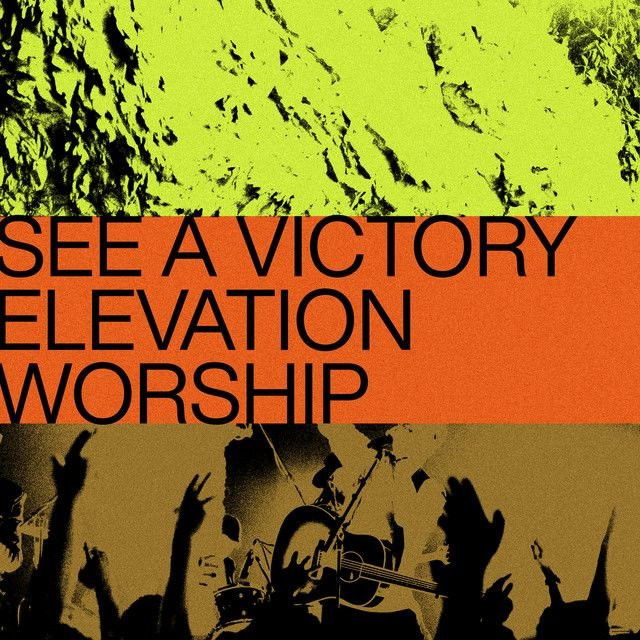
See A Victory by Elevation Worship
The meaning of See A Victory Elevation Worship becomes clear almost right away: this is a worship song about confidence in God during fear, conflict, and spiritual pressure. Rather than pretending pain is not real, the song admits that weapons form, darkness falls, and battles feel close. Its message is that those threats do not get the final word.
"See A Victory" - Elevation Worship
When the darkness falls, it won't prevail
'Cause the God I serve knows only how to triumph
Loading lyrics...
Unable to load lyrics
We're unable to display the lyrics at this time. Please try again later.
Elevation Worship released the song in 2019, and the writing is credited to Ben Fielding, Chris Brown, Jason Ingram, and Steven Furtick. Those credits are widely listed by publishers and performance databases such as ASCAP and the group’s official channels at Elevation Worship. That team matters because they are known for writing modern worship songs built around one clear spiritual idea and a strong congregational chorus.
Where the Song Starts: Fear Is Real, but Not Final
The opening lines set up a conflict. The song speaks in the first person, but listeners often hear it as a shared prayer. It begins by admitting danger with the idea that a weapon can be formed, yet it will not succeed. In simple terms, the lyric says hardship is real, but God is greater.
That is why short phrases like won't prosper
and won't prevail
matter. They do not deny the existence of evil, pain, or pressure. Instead, they frame those things as temporary and limited.
Interpretation: This is one reason the song connects so deeply in churches. It does not ask people to feel strong on their own. It asks them to trust that God remains strong when they do not.

Watch the official See A Victory
music video
The Chorus Turns Anxiety into Confidence
The chorus is the song’s emotional center. When it repeats see a victory
and battle belongs to You
, it moves the focus away from human control. The singer stops trying to win by force and gives the struggle to God.
That repeated hook is simple by design. In worship music, repetition often helps a truth sink in emotionally, not just intellectually. Here, the song keeps returning to the same promise until it feels less like a slogan and more like a confession of faith.
Interpretation: The “victory” in this song does not have to mean a perfect ending, instant healing, or public success. It can also mean endurance, peace, renewed trust, or seeing God bring purpose out of pain.
The Giant, the Name, and the Bible Echoes
The second verse deepens the message by using familiar Christian images. When the song mentions mighty name of Jesus
and refusing to back down from any giant, it points listeners toward biblical stories of God defeating what looks unbeatable.
The “giant” image strongly recalls David and Goliath. The idea is not just bravery; it is dependence. David wins in Scripture not because he is bigger, but because he trusts God. That same logic shapes this song.
Another key line says the singer knows how the story ends. That phrase suggests confidence in God’s character and in the larger Christian hope that evil is defeated in the end. The song does not explain every detail. It simply rests in a conclusion: God is faithful.
The Bridge Gives the Song Its Boldest Claim
The bridge is the part many listeners remember most because it takes the message from defense to redemption. Instead of only saying evil will fail, it says God can transform it.
meant for evil
turn it for good
This section echoes the biblical idea found in Genesis 50:20, where harm intended by others becomes part of a greater good. In worship settings, this bridge often stretches out with repetition, allowing the congregation to sit inside that promise.
Interpretation: This does not mean every painful event becomes good by itself. The song’s claim is narrower and more hopeful: God can work through what was evil without calling evil good.
How the Sound Carries the Message
Musically, “See A Victory” is built like a testimony that grows stronger as it goes. It begins with a steady, grounded feel and then expands through layered vocals, drums, and repeated declarations. That slow build mirrors the emotional movement of the lyric—from facing fear to standing in confidence.
Elevation Worship often designs songs for both personal listening and congregational singing, as seen across their live releases on YouTube and official discography pages at Elevation Worship. In this song, the arrangement helps ordinary listeners join in quickly. The melody is accessible, the chorus is memorable, and the bridge becomes almost chant-like.
That production choice matters. A song about victory could sound aggressive or triumphant in a worldly sense. Instead, this one sounds persistent, prayerful, and communal. The energy rises, but the focus stays on surrender.
Why the Song Resonates So Widely
Part of the song’s reach comes from how broadly it applies. Listeners can map it onto illness, grief, anxiety, spiritual doubt, family strain, or church-wide prayer. The battle language is flexible enough to feel personal, but specific enough to feel serious.
The song also fits a long worship tradition: naming pain, answering it with faith, and repeating truth until it reshapes emotion. That balance helps explain its lasting popularity in American churches.
A Clear Takeaway on Its Meaning
The meaning of See A Victory Elevation Worship is not that believers avoid trouble. It is that trouble does not own the ending. The song teaches that worship is a response in the middle of conflict, not only after the win.
In that sense, the song is about trust more than conquest. It says God fights, God redeems, and God can bring good from what looked hopeless.
Disclaimer: This interpretation is based on the lyrics, common biblical references, and Elevation Worship’s broader style. Like many worship songs, listeners may apply its meaning to different personal situations.









