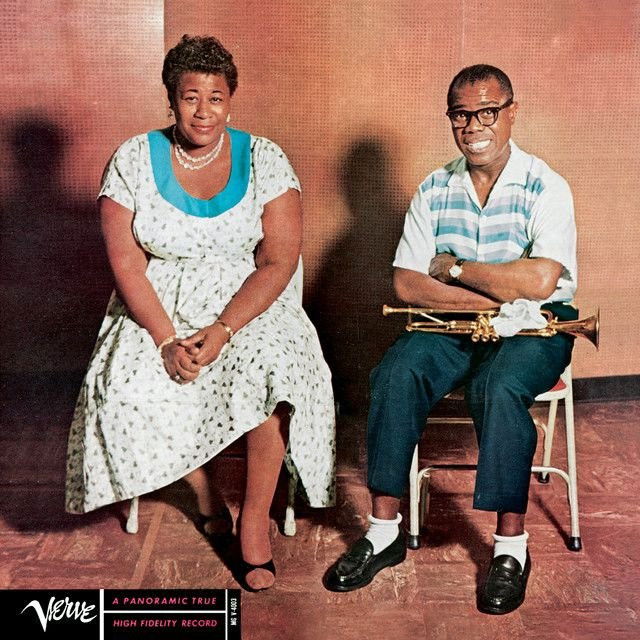
What Makes “Cheek to Cheek” Feel Like Heaven
The meaning of Cheek To Cheek Ella Fitzgerald, Louis Armstrong is simple on the surface and rich underneath: it is a love song about how dancing with someone can make ordinary life feel transformed. They present romance not as drama or heartbreak, but as relief, closeness, and joy. In this version, happiness is not far away or complicated. It arrives in a shared dance.
"Cheek To Cheek" - Ella Fitzgerald, Louis Armstrong
And my heart beats so that I can hardly speak
And I seem to find the happiness I seek
Loading lyrics...
Unable to load lyrics
We're unable to display the lyrics at this time. Please try again later.
The song itself was written by Irving Berlin for the 1935 film Top Hat, where Fred Astaire sang it to Ginger Rogers. It became one of the best-known standards of the era and was later recorded by Ella Fitzgerald and Louis Armstrong for the 1956 album Ella and Louis. Those facts help explain why the song feels both elegant and relaxed: it comes from Hollywood ballroom fantasy, but in their hands it also feels human and playful.
A Love Song About Escape Through Closeness
At its core, the lyric says that being with the right person makes burdens fade. The singer describes everyday stress, then contrasts it with the emotional lift of dancing together. That is the song’s main idea.
The opening image, Heaven, I’m in heaven
, does not need to be taken literally. It means they feel lifted above normal life. Soon after, the song suggests that weekly worries disappear when the couple is together. The point is not just romance. It is emotional release.
And I seem to find the happiness I seek
When we’re out together dancing cheek to cheek
That short passage acts like the song’s thesis. They are not chasing luxury, status, or adventure. They are finding peace in physical nearness, rhythm, and mutual attention.

Watch the official Cheek To Cheek
music video
Why the Everyday Details Matter
One of the smartest parts of the writing is how Berlin compares dancing with other pleasures. The lyric mentions climbing a mountain and going fishing, then says those things matter less than the shared dance. This keeps the song from sounding vague.
Instead of saying love is nice, the lyric ranks it above hobbies, thrills, and even outdoor freedom. A line like the highest peak
points to adventure, while river or a creek
suggests calm recreation. The singer enjoys both, but neither compares to intimacy.
Interpretation: this is why the song still works. It argues that deep connection can outshine both excitement and solitude. The beloved person becomes the center that makes everything else feel smaller.
Ella and Louis Turn Elegance Into Warmth
Berlin wrote the song in 1934–35 for Astaire, and it was introduced in Top Hat before becoming a major hit in 1935. It was also nominated for the Academy Award for Best Song. Later, Fitzgerald and Armstrong recorded it on Ella and Louis in 1956, a landmark Verve album produced by Norman Granz.
Those facts matter because their version is not just a cover. It changes the emotional texture. Astaire’s original is polished and dance-floor smooth. Ella and Louis keep the grace, but add conversational warmth.
Fitzgerald’s voice is clean, bright, and effortlessly swinging. Armstrong’s is rougher and earthier. Together, they make the song feel like a dialogue between glamour and lived experience. When one of them leans into a phrase like dance with me
, it sounds inviting rather than theatrical.
How the Sound Carries the Meaning
The arrangement on Ella and Louis supports the lyric’s message. Backed by a small jazz group associated with the Oscar Peterson circle, the performance moves with easy swing rather than grand orchestral drama. That choice is important.
A lighter groove makes the song feel intimate. The rhythm suggests motion without hurry, like a couple gliding instead of performing. The melody rises on the word heaven
, which musically mirrors the emotional lift in the lyric. Meanwhile, the relaxed tempo leaves room for breath, smiles, and chemistry.
Armstrong’s trumpet and vocal phrasing also matter. His tone brings a touch of grit to a song about bliss, which keeps it from becoming too sugary. Fitzgerald balances that with precision and charm. Their contrast tells the story: love is both dreamy and real.
The Deeper Themes Beneath the Ballroom Shine
Several themes run through the song:
- Relief from stress: weekly cares fall away in the beloved’s company.
- Embodied love: dancing is not abstract feeling; it is physical closeness.
- Simple happiness: joy comes from shared presence, not grand achievement.
- Mutual grace: the song imagines romance as cooperation and harmony.
Interpretation: the phrase cheek to cheek
matters because it suggests trust. This is not distant admiration. It is closeness without fear. The song celebrates a form of romance where safety and excitement exist together.
There is also a subtle classlessness to the message. Mountains, fishing, and fantasy all get mentioned, but none outrank a dance. In that sense, the song says real happiness is accessible. They do not need a perfect world. They need each other and a little music.
Why It Still Connects Today
Part of the song’s long life comes from its flexibility. It has been recorded hundreds of times by many artists, which shows how durable Berlin’s writing is. But the Ella Fitzgerald and Louis Armstrong version remains special because they make an old standard feel personal instead of museum-like.
For modern listeners in the United States, that may be the key to the meaning of Cheek To Cheek Ella Fitzgerald, Louis Armstrong. It is a romantic song, yes, but it is also a reminder that joy can be immediate. A dance becomes a shelter. A partner becomes a cure for noise, pressure, and loneliness.
Final Thought Under the Spotlight
Their performance suggests that love does not always need big confession or heartbreak to feel profound. Sometimes it simply needs movement, ease, and the sense that someone beside them makes the week lighter.
That is the lasting beauty of “Cheek to Cheek”: it turns a graceful dance into a picture of emotional freedom. Interpretation disclaimer: this reading is an informed interpretation based on the lyric, performance, and historical context, and other listeners may hear it differently.








