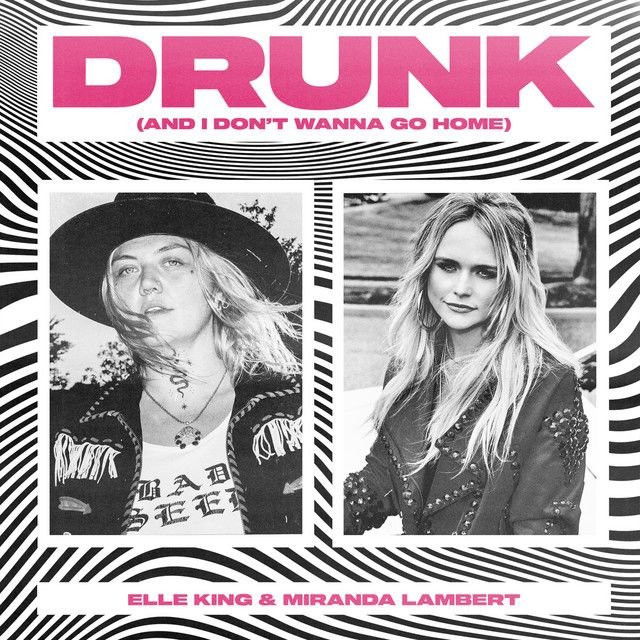
Drunk (And I Don't Wanna Go Home) by Elle King, Miranda Lambert
They didn’t just write a party song—they built a rallying cry. Drunk (And I Don't Wanna Go Home) is a fearless, funny spin on a girls’ night that refuses to end. If you’re searching for the meaning of Drunk (And I Don't Wanna Go Home) Elle King, Miranda Lambert, think: joy as rebellion, friendship as fuel, and a hook that doubles as a dare.
"Drunk (And I Don't Wanna Go Home)" - Elle King, Miranda Lambert
I've got some money in my pocket
Got some trouble on my tail
Loading lyrics...
Unable to load lyrics
We're unable to display the lyrics at this time. Please try again later.
Wild Night, Clear Message
At its core, the track is about choosing freedom over friction. The narrator hands off responsibility and opts for release, not rumination. When they declare Baby, I'm drunk and I don't wanna go home
, it isn’t just intoxication—it’s a boundary. They won’t drag a bar fight back to the couch. They’ll dance it out and deal with tomorrow, tomorrow.
Factually, the single arrived February 26, 2021, as the lead to Elle King’s album Come Get Your Wife. It went on to hit No. 1 on Country Airplay in April 2022, the first female duet to do so in nearly 30 years, and won ACM Video of the Year in 2022. Those wins underscore how a rowdy hook can carry real cultural weight.

Watch the official Drunk (And I Don't Wanna Go Home)
music video
Who’s Talking Over the Bar Noise?
The song uses first-person verses split between two voices. That duet structure turns the story into a friendship pact. Lines like So bartender, take my keys
suggest they know their limits; the night’s big, but they’ll be smart about it. The addressed “you” shifts—from bartender, to a flirty stranger, to a partner waiting at home—keeping the energy playful and a little chaotic.
Interpretation: The two women mirror each other’s bravado. Their call-and-response creates a team vibe, not a solo spiral. It’s not one person falling apart; it’s two friends holding each other up while they blow off steam.
From First Round to Last Call
Here’s the story beat by beat:
- They arrive with cash, baggage, and resolve to let loose.
- They find instant “best friends” at the bar—anonymity feels safe and fun.
- They flirt, brag, and boast. Temptation pops up, and they treat it like sport.
- The promise is set:
We don't got to wait until the weekend
. The night can happen whenever they need it. - They accept the next-day headache as the price of release:
goin' hard tonight
.
By the time the chorus returns, it’s not just a line—it’s a mantra and a plan.
Why the Chorus Hits Like a Toast
The title phrase is a direct refusal of pressure. It’s catchy, but it’s also a choice: no big talk, no late-night arguments, no rushing home to smooth things over. The second hook frames it in practical terms—give up the keys, own the night, run with the moment. When they vow jumpin' off the deep end
, it’s risk as agency, not chaos for chaos’ sake.
Symbols on the Rocks
- Keys: Control. Handing them over says, “I’m not driving this part of the night—and that’s smart.”
- Weekend vs. weeknight: Routine vs. spontaneity. The refusal to “wait” means they set their own schedule.
- The bar bathroom: A temporary confessional where strangers instantly bond. It’s comic and honest—friendship in fast-forward.
- The “oohs” and gang shouts: Community. The crowd becomes a character, backing their choices.
Interpretation: The flirt-with-a-taken-person moment is a cheeky flex more than a moral confession; the song emphasizes confidence and chaos, not betrayal.
Production That Sparks the Party
Written by Elle King (credited in places under her given name, Tanner Schneider) and Martin Johnson, the song was produced by Johnson and Brandon Paddock. Recorded before the pandemic in Nashville and New York, it rides big drums, distorted guitars, banjo and dobro flashes, and stacked “ooh” vocals. That mix leans country-rock with pop polish, built to ignite an arena or a Friday bar shift.
Musically, the verses tumble forward while the chorus explodes into easy, chant-ready lines. The arrangement leaves room for King’s raspy grit and Lambert’s bright cut, a blend that feels like two friends finishing each other’s sentences—loudly, on purpose.
Other Ways to Hear It
- Interpretation: Post-argument reset. The “don’t wanna go home” stance reads as, “Not having the same fight again tonight.”
- Interpretation: Workweek revolt. The “no weekend waiting” line is an anti-routine anthem for anyone stuck in the grind.
- Interpretation: Friendship first. The duet elevates the bar from a place to a partnership. The night out is the point; the bond is the reward.
Takeaway
This isn’t just a banger about shots. It’s a funny, full-throttle claim to joy, boundaries, and best-friend bravado. That’s why the chorus feels like a toast you yell with your people—and why it still lands the next morning.
Disclaimer: Song meanings are subjective; this analysis reflects one informed interpretation based on lyrics, context, and public information.








