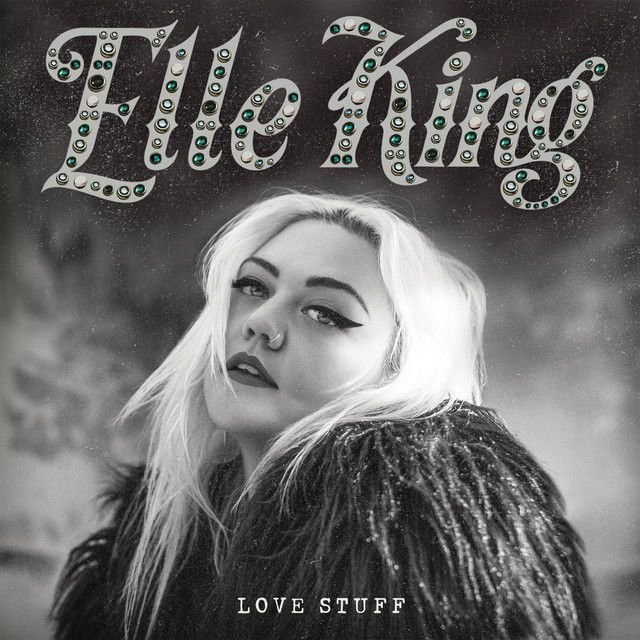
Elle King's Rebel Prayer, Explained
The meaning of Where the Devil Don't Go Elle King starts with a bold twist: the song sounds like a gospel warning, but it behaves like an outlaw anthem. Its speaker does not beg for approval from heaven, church, or polite society. Instead, they build a private space beyond judgment, shame, and control.
"Where the Devil Don't Go" - Elle King
Devil don't go where I make my home
Cast me down where the devil don't go
Loading lyrics...
Unable to load lyrics
We're unable to display the lyrics at this time. Please try again later.
That makes the song less about evil than freedom. Even when it uses images like fire, Lucifer, and prayer, it is really talking about survival in a harsh world and the refusal to be tamed.
A Southern-Gothic Song About Refusing Judgment
At its core, the song presents a narrator who has tried the usual paths and found no peace there. They have prayed, listened, and suffered, but still feel condemned. So the track flips religious language into a statement of self-rule.
When the singer says where the devil don't go
, the line sounds impossible on purpose. The phrase creates a place outside the normal map of good and evil. Interpretation: that “place” may not be literal at all. It can be heard as a mental state where outside authorities no longer get the final word.
The repeated line I make my home
matters just as much. The song is not only about escape. It is about choosing an identity and living in it, even if others call it dangerous or wrong.
Watch the official Where the Devil Don't Go
music video
Why the Religious Imagery Hits So Hard
The song leans on old American symbols: the devil, the preacher, judgment, fire, prayer, and salvation. Those images are familiar, which lets Elle King twist them quickly and clearly.
One of the sharpest reversals comes with Good lord turned his back
. The idea is not subtle. The narrator feels abandoned by the moral system that was supposed to save them. Right after that, the song reaches for a shocking counter-image in set me free
, tying freedom to the very figure religion usually casts as the enemy.
Interpretation: this does not have to mean the song literally praises evil. It works better as rebellion theater. The narrator uses taboo language to say that if respectable people refuse mercy, they lose the right to define holiness.
The preacher, the sinner, and the failed rescue
Another key verse turns toward the church itself. The mention of the preacher suggests a person who identifies the singer’s pain but cannot heal it. Likewise, the prayer image shows effort without relief.
Bruised my knees getting down to pray
Won't repent 'til my judgement day
These lines frame the emotional argument of the song. The speaker has already humbled themselves. They have already hurt. Since that did not bring comfort, they stop performing repentance for others.
The Chorus Turns Exile Into Power
The hook is catchy because it sounds like a curse and a victory at the same time. Being “cast down” would normally mean defeat. Here, the fall becomes a form of release.
That is why the chorus feels so strong. It transforms rejection into authorship. If society throws the narrator out, they will not wander forever. They will build a home in the place nobody else understands.
The repeated claim that it is a mean world
helps ground the fantasy in lived experience. This is not rebellion for style alone. The song suggests that obedience has brought little reward, so defiance becomes practical, even necessary.
How the Sound Supports the Meaning
Factually, the song is credited to Elle King and Brandon Lowry, and the provided context identifies it as alternative. That fits its blend of rootsy menace and rock attitude. Rather than sounding polished or delicate, the track’s likely power comes from stomp, grit, and a sing-along refrain.
That musical feel matters. A song about private shame might whisper, but this one is built to be shouted. The rough-edged delivery turns inner pain into communal release, as if the singer is inviting a crowd to join the refusal.
Interpretation: the production style likely amplifies the song’s core message by making judgment sound small and the narrator sound larger than life. The darker imagery becomes less frightening and more energizing because the arrangement pushes the listener toward motion, not fear.
Two Strong Readings of the Song
Reading one: an anthem for outsiders
The most direct reading is that the song speaks for people who have been labeled difficult, broken, sinful, or beyond repair. In that sense, it is about making dignity out of exile.
The narrator does not claim innocence. Instead, they reject the idea that pain must end in submission. That gives the song a strong outlaw-country and Southern-gothic edge.
Reading two: a fight with inner demons
A second reading is more psychological. The devil, preacher, and judgment may stand in for addiction, shame, trauma, or self-hatred. In this version, where the devil don't go
becomes the one corner of the self that despair cannot fully occupy.
That reading also explains why the song feels both dark and triumphant. It knows suffering is real, but it still insists on a zone of freedom.
Why the Song Sticks
The meaning of Where the Devil Don't Go Elle King lasts because it takes old religious language and gives it outlaw energy. It does not ask listeners to agree with the narrator’s theology. It asks them to feel the force of someone who is done asking permission to exist.
In simple terms, the song is about turning rejection into identity, shame into theater, and loneliness into a chosen home. That is why the chorus lands with such force: it imagines a place beyond punishment and then dares to live there.
Disclaimer: This interpretation is based on the lyrics provided and general musical context. Like many songs, it can support more than one valid reading.









