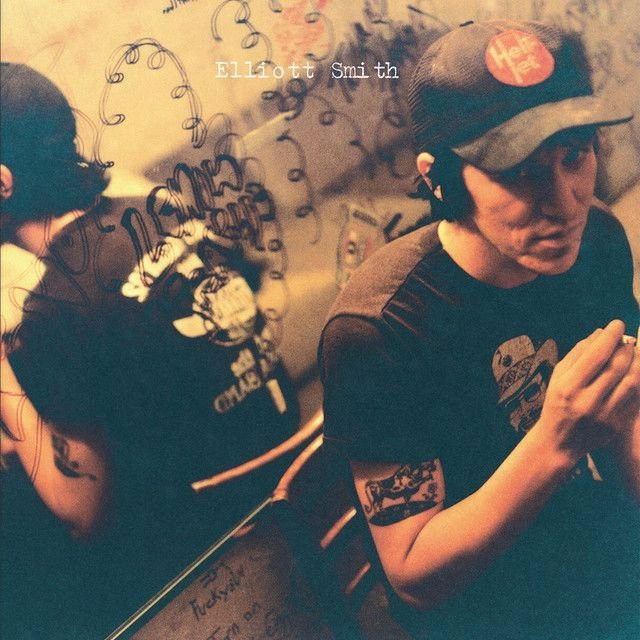
Between the Bars by Elliott Smith
A soft song with a hard truth
The meaning of Between the Bars Elliott Smith often starts with a simple question: is this a love song, or something more troubling? The answer is why the track has lasted so long. On the surface, it sounds gentle, even comforting. Underneath, it feels manipulative, like a voice offering relief at a price.
"Between the Bars" - Elliott Smith
With the things you could do, you won't but you might
The potential you'll be that you'll never see
Loading lyrics...
Unable to load lyrics
We're unable to display the lyrics at this time. Please try again later.
Released on Either/Or in 1997, the song is a brief ballad, just over two minutes long, written by Elliott Smith and produced by Smith with Tom Rothrock and Rob Schnapf. It later reached many more listeners through Good Will Hunting, where Smith’s music helped define the film’s emotional tone.
That context matters, but the song itself does the heavy lifting. It speaks in a soothing voice while describing a dangerous kind of comfort. That tension is the key to its power.
Watch the official Between the Bars
music video
Who is talking here?
A useful way to hear the song is to treat the speaker as alcohol itself. Interpretation: rather than a caring partner, the voice sounds like temptation speaking directly to a vulnerable person. The opening invitation, Drink up, baby
, sounds affectionate. But it also sounds controlling from the first line.
The speaker promises relief from shame, memory, and pressure. They offer a private world where pain can be numbed and old versions of the self can be silenced. That is why lines about escape feel both tender and frightening. The voice says it will make things better, yet everything it offers depends on surrender.
Pitchfork once described the song as a piece that hides deep sadness inside a graceful melody, then reveals the seductive promise of alcoholism on repeat listens. That brief summary fits the song well: the first listen can feel like comfort, while later listens expose the trap.
The central theme: escape dressed as care
At its core, the song is about seduction through escape. The speaker tells the listener to forget pressure, ignore the future, and accept immediate relief. The song keeps returning to lost potential, buried memory, and emotional overload. It suggests a person who feels haunted by who they were and exhausted by what life demands.
That is where the title image matters. Between the bars
can suggest a few things at once:
- the space inside a drinking place
- the bars of emotional or physical confinement
- the blurred space between sobriety and intoxication
Interpretation: Smith seems to use that phrase for a state of suspension. The listener is not fully free, but not fully present either. They are held in a dim middle place where pain becomes softer, but so does identity.
How the verses build the trap
The song’s first verse focuses on unrealized possibility. The speaker points toward things the listener could do, then quickly replaces hope with forgetting. Instead of helping them face life, the voice offers erasure.
That shift is crucial. The song moves from possibility to passivity. It mentions the self they could become, but then steers them toward oblivion. In plain terms, the offer is: do not grow, just disappear for a while.
The next key idea is memory. The song refers to old selves and unwanted images that won’t leave the mind. The speaker says they can keep them still
. That sounds merciful, but it also means freezing pain rather than healing it.
People you've been before
you don't want around anymore
This is the song’s emotional center. It captures shame, regret, and the wish to outrun past versions of the self. The speaker steps in as the answer, promising silence instead of recovery.
Why the chorus feels so intimate
The chorus is one reason listeners first hear the song as romantic. There are stars, kisses, and a tone close to a lullaby. The phrase look at the stars
opens the scene outward, as if the night offers freedom. But the rest of the chorus tightens that space again.
The speaker wants to make the listener mine
, keep them apart, and hold them close in a private interior world. That is not mutual love. It is possession. The sweetness of the language hides a wish to isolate.
Interpretation: this is why the song can feel eerie. The voice uses the language of devotion to describe dependence. What sounds like intimacy may really be addiction talking.
How the music carries the meaning
Smith’s arrangement is spare and delicate, which is part of the trick. The acoustic guitar moves with calm steadiness, and the vocal is soft, close, and almost whisper-like. Nothing in the production pushes too hard. The song seems to cradle the listener.
That matters because the sound mirrors the seduction in the lyric. The melody glides forward without much resistance. There is no dramatic outburst warning the listener away. Instead, the music models the exact feeling the words promise: ease, warmth, and temporary safety.
Factually, the song is often described as indie folk and lo-fi, and its compact structure helps intensify the mood. In only 2:21, Smith creates a full emotional argument. They do not need a big climax. The song’s quietness is the point.
Why it still resonates
Part of the song’s long life comes from its ambiguity. Some listeners hear a toxic lover. Others hear self-medication speaking in a human voice. Both readings can work, but the alcohol reading best explains the repeated invitations, the push toward forgetting, and the promise to remove inner pressure.
The song also resonates because it understands how harmful things present themselves. They rarely arrive as monsters. They arrive sounding helpful, loving, and necessary.
That is the lasting meaning of Between the Bars Elliott Smith: it is a song about comfort that turns into captivity. It knows that what hurts a person can also sound like the thing that saves them.
Final takeaway
Elliott Smith built a song that feels small but opens into something huge: shame, escape, dependence, and the wish to be relieved of oneself. Its beauty is real, but so is its warning.
This article offers interpretation, not a single fixed meaning. Like many Elliott Smith songs, “Between the Bars” remains powerful because it allows more than one reading while keeping its emotional truth intact.