How Elliott Smith Turns Shame Into Light
The meaning of Pretty (Ugly Before) Elliott Smith centers on a painful swing between self-loathing and brief relief. In this song, they present confidence not as a solid recovery, but as something temporary, shaky, and tied to a person, a mood, or maybe a chemical escape.
"Pretty (Ugly Before)" - Elliott Smith
There is no nighttime, it's only a passing phase
And I feel pretty, pretty enough for you
Loading lyrics...
Unable to load lyrics
We're unable to display the lyrics at this time. Please try again later.
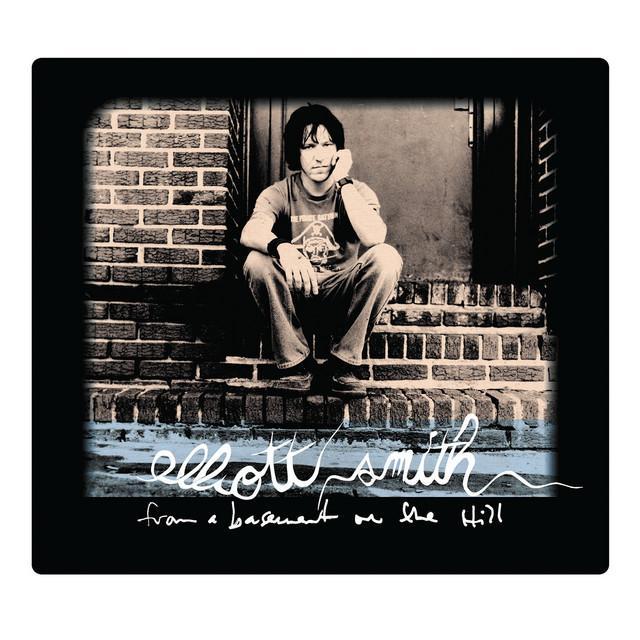
Elliott Smith, born Steven Paul Smith, was one of indie rock's most intimate songwriters, known for turning private thoughts into deceptively simple lines. He wrote "Pretty (Ugly Before)," and the song is commonly linked to the posthumous period around From a Basement on the Hill, the 2004 album released after his death. That context matters because the song sounds both hopeful and deeply unsettled.
A Fragile Glow at the Center
At first, the song seems to describe a breakthrough. The singer says they feel pretty enough for you
, then immediately sets that against the older state of feeling so ugly before
. That contrast is the emotional engine of the track.
This is not vanity. It is about worth. They are measuring themselves through another person's eyes, which makes the new confidence feel unstable from the start. The phrase I didn't know what to do
adds helplessness, suggesting that the earlier ugliness was not only physical or social. It was existential.
Interpretation: the song is less about literal beauty than about being seen as lovable after a period of shame.

Watch the official Pretty (Ugly Before)
music video
Why Daylight Feels So Strange
One of the song's best images is the repeated idea that there is no nighttime
. Paraphrased, the world has become all glare and no rest. Even "sunshine" does not feel calm here. It keeps the singer awake and removes ordinary limits.
That image can point in a few directions at once:
- emotional overstimulation
- drug use or withdrawal
- manic relief after depression
- a crush so intense it distorts reality
Smith often wrote lines that worked on more than one level, and this is a strong example. The light may symbolize hope, but it also feels harsh. If night is only a passing phase, then recovery has not arrived in a healthy, grounded way. Instead, the song suggests a person stuck in an extreme state.
The "You" in the Song Matters
The second verse turns outward and gets more confrontational. The line about having to get high somehow
introduces self-medication directly. That phrase broadens the song beyond romance. The other person may be a lover, but they may also represent a scene, a habit, or a cycle of needing escape.
Then the song asks whether destruction is required to feel something real. That is a classic Elliott Smith move: they take a personal line and turn it into a larger moral question. If someone only feels alive through damage, then even affection gets filtered through harm.
Interpretation: the narrator may be speaking to a partner whose chaos makes genuine connection difficult. Another reading is that they are speaking to themselves, splitting the self into the one who wants love and the one who keeps chasing numbness.
How the Hook Changes the Whole Song
The repeated title idea is deceptively simple. Feeling "pretty" lasts only another hour or two
. That small time limit changes everything. The song is not claiming transformation. It is admitting a temporary lift.
That is why the chorus hurts. It offers relief, then undercuts it. The past state, "ugly before," keeps returning like a bruise being pressed again. Instead of a clean before-and-after story, the song gives a cycle: shame, brief beauty, confusion, repeat.
I felt so ugly before
I didn't know what to do
Those lines are plain, almost childlike, which makes them more powerful. Smith often used simple language to carry very heavy feelings.
The Sound Says as Much as the Words
Musically, "Pretty (Ugly Before)" blends warmth with unease. Smith's work in this era often layered acoustic intimacy with fuller rock production, and this song benefits from that tension. The melody has lift, but the emotional center remains bruised.
The likely reason the song lands so hard is its contrast:
- bright, open melodic movement
- weary vocal delivery
- lyrics about temporary self-worth
- repetition that feels obsessive rather than triumphant
That combination mirrors the theme. The arrangement reaches upward, while the words keep pulling back toward doubt. In other words, the sound itself enacts the song's unstable confidence.
Artist Context Sharpens the Meaning
Smith's catalog regularly explored addiction, alienation, tenderness, and self-division. Songs across albums like Either/Or and Figure 8 show how often they wrote from the edge between connection and collapse. "Pretty (Ugly Before)" fits that pattern, but it is unusually direct in how it frames self-image.
Because of the posthumous context around From a Basement on the Hill, many listeners hear the song as especially haunting. Still, it is important not to flatten it into biography. The song works because it captures a recognizable human feeling: the fear that a better version of the self might only last for a moment.
What the Song Ultimately Says
The meaning of Pretty (Ugly Before) Elliott Smith is that self-acceptance can feel thrilling and frightening when it arrives through unstable means. The singer gets a glimpse of beauty, but not peace.
That is what makes the song endure. It understands that shame does not disappear just because someone feels good for a little while. Smith turns that brief flash of relief into something tender, sad, and deeply human.
Disclaimer: This interpretation is based on the song's lyrics, sound, and publicly known artist context. Like many Elliott Smith songs, it remains open to more than one reading.







