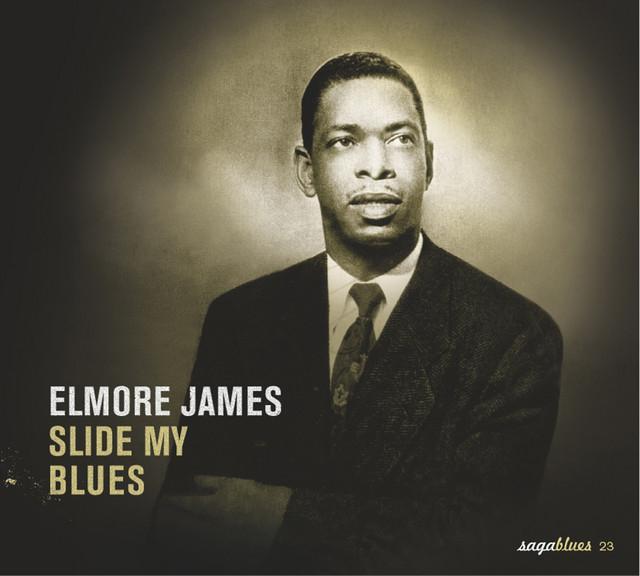
Mean And Evil by Elmore James
The meaning of Mean And Evil Elmore James starts with a simple blues complaint, but the song does more than describe a bad relationship. It turns heartbreak into a story about change, disappointment, and the shock of seeing someone become unrecognizable. In just a few verses, Elmore James gives listeners a speaker who feels hurt, confused, and stuck.
"Mean And Evil" - Elmore James
My baby's so mean and evil, I don't know what to do
Treat me low and dirty, I can't get along with you
Loading lyrics...
Unable to load lyrics
We're unable to display the lyrics at this time. Please try again later.
Known as the “King of the Slide Guitar,” Elmore James built his sound on sharp electric tone and emotional directness, a legacy noted by the Rock & Roll Hall of Fame. That style matters here. The song’s meaning is not hidden behind complex poetry. It is carried by blunt language, repetition, and a performance that sounds wounded and accusing at the same time.
A Breakup Song With a Bigger Social Story
On the surface, this is a man telling listeners that his partner is cruel. The repeated line about her being mean and evil
frames the whole song as a lament. He says she treats him badly and that he does not know what to do, which gives the song its trapped feeling.
But the song also points to a shift in place and identity. The key plot turn is that things were better in a small town, then changed after the move to Chicago. That detail makes the relationship feel tied to migration, ambition, and urban pressure.
Interpretation: the singer may be mourning more than lost love. They may also be mourning a lost version of home, routine, and trust.

Watch the official Mean And Evil
music video
The Story Moves From Memory to Blame
The lyrics unfold in a clear order, which is one reason the song feels so direct.
- First, the speaker says he is being treated badly.
- Next, he remembers a time when she was kind and respectable.
- Then, he connects the change to leaving a small town for Chicago.
- Finally, he lists domestic memories to show how much the relationship has fallen.
That structure matters. He does not begin with happy nostalgia. He begins in pain, then reaches backward. By doing that, the song sounds less like a balanced argument and more like a desperate attempt to explain what went wrong.
Small Town vs. Chicago Is the Song’s Key Contrast
The strongest image in the track is the contrast between the small town
past and Chicago in the present. In the earlier life, the woman is described as nice an' neat
. In the city, the speaker complains that she does nothing but walk the street
.
That phrase is loaded. At minimum, it suggests distance, independence, or behavior the speaker sees as reckless. It also shows judgment. He is not just sad; he is offended by the way city life seems to have changed her.
Interpretation: this tension can be read as a classic blues fear that the city reshapes people. Chicago was a real center of electric blues, and James was deeply connected to that world, as shown in his AllMusic biography. Here, though, the city is not exciting. It is the setting where intimacy breaks down.
Domestic Details Make the Hurt Feel Personal
One of the smartest things in the song is how ordinary the memories are. The speaker does not remember grand romance. He remembers breakfast, care, and grooming. Those details make the loss feel lived-in.
cook my breakfast
bring it to my bed
This brief moment captures what he misses: not only affection, but service, attention, and daily closeness. The mention that she used to comb my hair
pushes that idea even further. He remembers being cared for almost like a ritual.
That is why the song hits hard. The pain is not abstract. It comes from seeing familiar acts of love disappear.
How the Sound Deepens the Meaning
Elmore James songs often rely on forceful slide guitar, driving rhythm, and vocals that sound close to the breaking point. Even when the words are plain, the performance adds urgency. In a song like this, that matters as much as the plot.
The blues form helps, too. Repeated lines mirror obsessive thinking. When a singer repeats a complaint, it can sound like they are trying to convince themselves as much as the listener. That repetition turns emotional confusion into musical structure.
James’s voice also keeps the song from sounding calm or reflective. Instead, they present the speaker as raw and immediate, still inside the argument. The production does not smooth out that feeling. It leaves room for sting and tension.
Is the Speaker Fully Reliable?
This is an important question in the meaning of Mean And Evil Elmore James. The song gives only one side of the story. The woman never speaks. Everything comes through the wounded voice of the man who feels abandoned and disrespected.
Interpretation: because of that, listeners should be careful about taking every accusation as objective fact. The song may reveal as much about the speaker’s expectations as it does about the woman’s behavior. His memories of care suggest he misses a relationship in which he felt looked after and centered.
That makes the song richer. It is not just “she changed.” It may also be “he cannot accept the change.” Blues songs often live in that gray area, where pain and blame mix together.
Why the Song Still Connects
The reason this track lasts is simple: it turns personal disappointment into a bigger emotional conflict. Love is falling apart, but so are old ideas about who a person is supposed to be. The move from a quiet place to a fast city becomes a symbol of that break.
For modern listeners, the song still works because many people know this feeling. Someone changes, a place changes them, or maybe time does. What remains is the shock of saying: this is not the person they thought they knew.
In the end, “Mean and Evil” is powerful because it keeps the language plain and the feeling sharp. Interpretation: its real subject may be heartbreak in the face of change, with cruelty acting as the speaker’s name for a loss they cannot control.
Disclaimer: This interpretation is based on the released lyrics, blues context, and available artist history. As with many blues songs, meaning can stay open to more than one reading.







