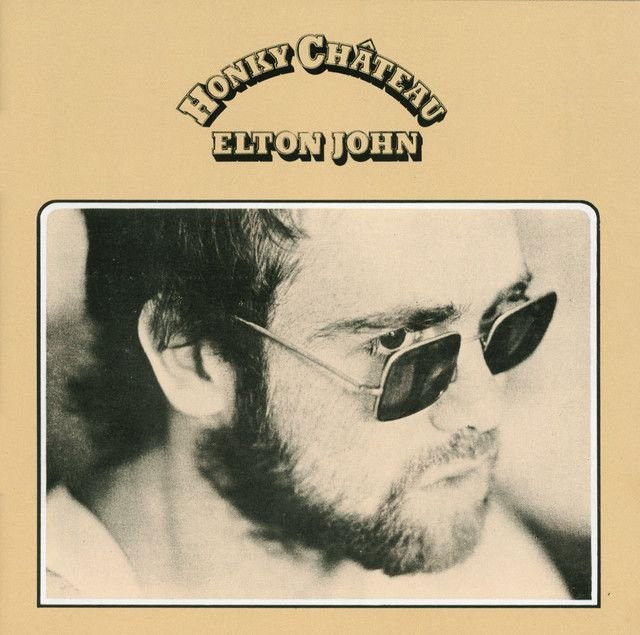
Honky Cat by Elton John
A country boy meets the pull of change
The meaning of Honky Cat Elton John starts with a simple conflict: a person from the country feels drawn to city life, even while people back home warn them not to go. The song is playful on the surface, but its core idea is serious. It is about identity, class, ambition, and the pressure to stay where others think they belong.
"Honky Cat" - Elton John
Bopping in the country, fishing in a stream
Looking for an answer, trying to find a sign
Loading lyrics...
Unable to load lyrics
We're unable to display the lyrics at this time. Please try again later.
In the verses, the narrator looks back at an earlier self and admits they were inexperienced. They describe a rural life and then contrast it with the excitement of urban possibility. That shift matters. The song is not just about moving from one place to another. It is about choosing reinvention.
When the chorus repeats get back, honky cat
, it sounds like a command from others. The phrase works as a put-down, a way of telling someone they do not fit in. The tension of the song comes from the narrator refusing that limit.
Watch the official Honky Cat
music video
What the lyrics suggest about belonging
A key part of the song is how outside voices keep trying to define the narrator. Friends or family say they should go back to the woods, tend the farm, and accept a familiar life. The city, they warn, will only hurt them.
But the narrator does not hear those warnings as wisdom. They hear them as a fence. That is why the line change is gonna do me good
is so important. It turns the song away from shame and toward self-belief.
Interpretation: the song can be heard as a celebration of social mobility. The narrator is not just leaving a hometown; they are rejecting a fixed role. Reading books, magazines, and dreaming about places like New Orleans suggest a person learning new ways to imagine life.
At the same time, the song is smart enough to show that change is messy. The title phrase carries judgment, and the city may not fully welcome an outsider either. So the song lives in a middle space: too restless for home, not fully secure in the new world either.
The chorus turns mockery into confidence
The chorus is built around repetition, and that gives the song its bite. What starts as an insult becomes fuel. Each time the pushback returns, the narrator answers with more confidence.
That is why the hook feels so memorable. It dramatizes a common American story: leaving home, hearing you are making a mistake, and going anyway. The contrast between redneck ways
and city living is broad and comic, but it points to a real divide between rural tradition and urban aspiration.
There is also humor in the comparisons, like trying to find value in the wrong place. Those lines make the social conflict feel light on its feet rather than bitter. Elton John and Bernie Taupin often used that mix of wit and emotion, and it works well here.
Elton John and Bernie Taupin’s wider context
Honky Cat was written by Elton John and Bernie Taupin and appeared on the 1972 album Honky Château. That period was a breakthrough era for Elton John, when their records were becoming bigger, bolder, and more rooted in American musical styles even though they were British artists.
That matters to the song’s meaning. Taupin often wrote lyrics that played with Americana, Southern images, and class language. Elton then gave those words personality through rhythm and melody. In “Honky Cat,” the result is a song that sounds both affectionate and sly. It borrows from roots music while also poking at the myths around “authentic” country identity.
Interpretation: some listeners hear the song as partly autobiographical in spirit, even if not literal in detail. It fits a larger Elton John story about reinvention, performance, and moving beyond narrow expectations.
Why the sound matters so much
The production helps explain why the song does not feel angry. Instead of turning the lyric into a grim complaint, the arrangement makes it bounce. The groove leans into New Orleans and boogie-woogie flavors, with rolling piano, lively rhythm, and bright horns. On the album review, critics often note how relaxed and confident this period sounds.
That looseness is part of the message. The song is about motion, and the band never sits still. The piano pushes forward, the horns answer like a crowd, and Elton’s vocal has a grin in it. Even when the words describe social pressure, the music says the narrator has already slipped past it.
One short section captures the push and pull best:
stay at home, boy
your heart says no
your feet say go
Those phrases sum up the song’s emotional engine. Duty says remain. Desire says move.
Two strong readings of the song
There are at least two useful ways to read “Honky Cat.”
Reading one: a migration song
This is the clearest reading. A rural person heads toward city life, ignoring those who tell them they are out of place. In this version, the song is about freedom, ambition, and self-making.
Reading two: a satire of social labels
The song can also be heard as making fun of the boxes people use. “Honky cat” sounds absurd on purpose. It highlights how identity gets reduced to a nickname, a class marker, or a stereotype.
Both readings fit because the song never becomes overly literal. It leaves room for listeners who know what it means to outgrow one setting without feeling fully accepted in another.
Why the song still connects
Part of the meaning of Honky Cat Elton John is timeless because the conflict still feels modern. Many people know the pressure to stay loyal to a background, a family script, or a version of themselves that no longer fits.
“Honky Cat” answers that pressure with wit instead of self-pity. It says change can be awkward, even mocked, but still necessary. The song laughs, dances, and keeps moving.
That is why it lasts. Beneath the swagger, it is about listening to the inner pull that says life can be larger than what others planned.
Disclaimer: This interpretation blends documented context with critical reading, and song meanings can reasonably vary from listener to listener.








