Why '(I'm Gonna) Love Me Again' Feels Triumphant
The heart of the song
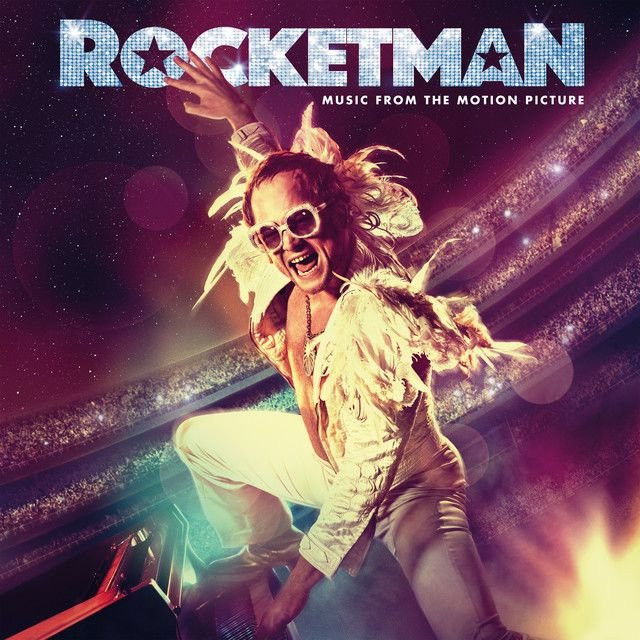
The meaning of (I'm Gonna) Love Me Again Elton John, Taron Egerton is simple but powerful: it is about learning self-respect after chaos, shame, and survival. Written by Elton John and Bernie Taupin for Rocketman, the song plays over the film's end credits and acts like an emotional summary of everything that came before. According to Wikipedia, it was released on May 16, 2019 and appears on Rocketman: Music from the Motion Picture.
"(I'm Gonna) Love Me Again" - Elton John, Taron Egerton
Threw my spare change in the wishing well
The dream alone is always in your hands
Loading lyrics...
Unable to load lyrics
We're unable to display the lyrics at this time. Please try again later.
At its core, the song turns recovery into celebration. Instead of focusing on regret, it pushes toward renewal. The central promise, I'm gonna love me again
, is not vain or smug. It sounds like someone rebuilding a basic human bond with himself after years of damage.

Watch the official (I'm Gonna) Love Me Again
music video
A recovery song, not just a victory lap
In the movie's context, the message becomes even clearer. The song arrives after the story has shown Elton John's fame, addiction, loneliness, and rehab. That ending matters because the lyrics do not pretend the past was easy. They admit pain, but they refuse to stay trapped in it.
One line about the voice inside my head
suggests an inner guide that finally becomes trustworthy. Earlier in life, outside noise, pressure, and unhealthy relationships may have drowned that voice out. Here, they present self-listening as a form of freedom.
Interpretation: the song is less about ego than about repair. It imagines self-love as a duty after self-destruction. That is why the chorus feels earned instead of cheesy.
How the verses move from memory to freedom
First verse: ambition and bruises
The opening verse looks back at youth, dreams, and the hard lessons of growing up. Images like a wishing well and becoming a man suggest a life shaped by hope, risk, and disappointment. The song seems to say that success alone does not complete a person.
When the singer hints that old theories can grow cold, they point to beliefs that no longer work. Fame, approval, or performance may once have seemed enough. Now those ideas feel empty.
Second verse: fame's aftertaste
The second verse turns darker and more reflective. The song describes a past that was both glamorous and painful, calling that era bittersweet
. It also suggests that affection could feel dangerous, almost weakening, which fits the film's portrait of intimacy, fear, and emotional instability.
Then the song pivots. The past is no longer denied, but it is placed behind the singer. They are not erasing history; they are refusing to live inside it.
Find the wind to fill my sails
Rise above the broken rails
Those two lines capture the turn. The first image is about movement and hope. The second is about escaping wreckage. Together, they frame healing as forward motion.
Why the chorus hits so hard
The chorus works because it takes a private act and makes it sound communal. Self-love can sound quiet, even awkward, but this song turns it into a sing-along. The phrase my very best friend
reframes the self as someone worth checking on, protecting, and forgiving.
That is the song's smartest move. It does not say the singer has become perfect. It says he must treat himself with the care he might offer another person.
Another telling phrase is I'm free
. In plain terms, freedom here means release from old roles, old users, and old versions of identity. The lyric about no one claiming they knew him then pushes back against people who reduce a person to their worst era.
The sound: Motown joy with scars underneath
The production helps explain why the song feels so uplifting. Songfacts reports that Elton John imagined it as a Motown-style celebration and looked to The Supremes' Come See About Me
for tempo and mood inspiration. Co-produced by Giles Martin and Greg Kurstin, the track uses bright piano, punching drums, horns, handclap energy, and a driving beat to create lift.
That musical choice matters. A slower ballad would have made the song about sorrow. Instead, the groove says survival can sound joyful. The arrangement has a retro-soul bounce, but it is polished like modern pop, which fits a film that revisits the past while speaking to the present.
The duet format deepens the meaning too. Elton John and Taron Egerton sing together, blending the real artist with the actor who played him. That overlap makes the song feel like a conversation between past and present selves. It also fits Taupin's brief comment, reported by Songfacts, that the track reflects both the movie and his relationship with Elton.
Why its context matters so much
This was not just another soundtrack cut. It became the emotional signature of Rocketman and won the Academy Award for Best Original Song, along with major honors including the Golden Globe. Those awards do not prove meaning, but they do show how strongly the song connected with audiences.
Its placement over the end credits is key. End-credit songs often summarize a film's lesson, and this one does exactly that. After two hours of excess, pain, and self-loss, the movie ends not with punishment, but with grace.
Final reading
Interpretation: the song is about choosing life after self-rejection. It treats healing as active, not passive. They present love of self as something that must be reclaimed, practiced, and sung out loud.
That is why the track lands with such force. It is catchy enough to feel celebratory, but honest enough to carry the weight of recovery, identity, and hard-won peace.
Disclaimer: This interpretation is based on the lyrics, the film context, and publicly available comments from the song's creators. Meaning can remain personal and open to more than one reading.








