Why Elvis Sounds So Hurt Here
The meaning of I'll Never Fall in Love Again Elvis Presley comes down to a simple but sharp idea: after betrayal, the singer tries to protect themselves by swearing off love. It is not a calm decision. It sounds like a promise made in the heat of heartbreak, when pain feels permanent.
"I'll Never Fall in Love Again" - Elvis Presley
I thought I knew the score
Now you've treated me so wrong
Loading lyrics...
Unable to load lyrics
We're unable to display the lyrics at this time. Please try again later.
This song was written by Burt Bacharach and Hal David, two of pop music’s most successful songwriters, whose catalog shaped 1960s and 1970s adult pop and soul according to the Songwriters Hall of Fame and Britannica. Elvis Presley’s version matters because his voice adds bruised weight to a lyric that is already built around disappointment.
A Breakup Song About Pride After Pain
At the center of the song is a speaker who feels they misjudged love. Early on, they admit they thought they understood romance, but experience proved otherwise. That matters because the song is not only about one bad breakup. It is also about injured confidence.
When the lyric says in love so many times
, it suggests a pattern. This is someone who believed experience would protect them. Instead, the latest betrayal hits even harder because it exposes how little control they really had.
The next emotional step is humiliation. The singer says they gave their heart freely and lowered their guard. In plain terms, they trusted the relationship, and that trust was not returned.
Watch the official I'll Never Fall in Love Again
music video
The Moment Everything Collapses
The song becomes most vivid when it moves from general hurt to a single image: seeing the lover with someone else. The phrase in his arms
is short, but it carries the whole drama. Betrayal stops being a suspicion and becomes a scene the singer cannot unsee.
That is why the reaction feels so immediate. They do not describe a long argument or a slow breakup. They describe an emotional break. The line about having broke up and cried
shows total collapse, not cool distance.
Interpretation: This is one reason the song still works. Many breakup songs talk about sadness, but this one focuses on the instant when pride shatters. The pain is not abstract. It is attached to a memory.
Why the Chorus Sounds Like Self-Defense
The famous hook is less a life philosophy than a shield. When the singer repeats never gonna fall in love
, they sound like someone building a wall in real time. The vow is dramatic because the wound is fresh.
That is also why the repetition matters. A person who feels secure does not usually keep restating the same boundary. Here, the repeated line suggests they are trying to force certainty onto chaos.
I mean it, I mean it
fall in love again
Those words are important because they reveal strain. The speaker insists so strongly that listeners can hear doubt under the surface. In other words, the song may be less about the end of love than about the first stage of recovery, where anger and grief speak louder than reason.
How Elvis Changes the Meaning
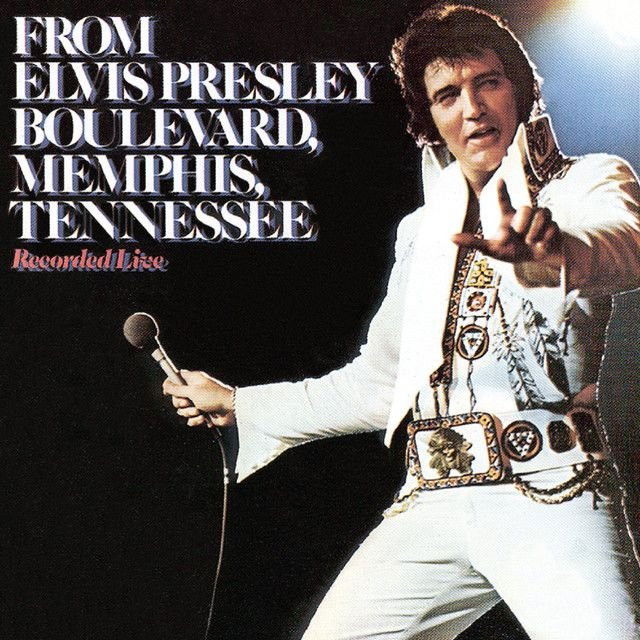
Elvis did not write the song, but his delivery shapes how it lands. By the late 1960s and early 1970s, he had become especially skilled at songs of regret, loneliness, and emotional exhaustion, as heard across his Nashville and Memphis-era recordings documented by Graceland and major discographies like AllMusic.
In his hands, the song feels less polished and more wounded. Rather than sounding witty or detached, it sounds bruised. That suits the lyric well because the singer is not analyzing the breakup. They are reeling from it.
The Sound Behind the Hurt
The production style often associated with Elvis’s adult ballads gives songs like this a slow, heavy emotional pull. The arrangement leaves space for the vocal, which is key. Instead of rushing past the lyric, the music lets each line sink in.
That space helps the central message. A bouncy arrangement might make the song sound playful or ironic. A steadier, more dramatic approach makes the vow feel raw and believable.
Themes That Hold the Song Together
Several themes drive the track:
- Betrayal: trust is broken by what the singer witnesses.
- Pride: they regret opening up so easily.
- Self-protection: the refusal to love again acts like armor.
- Emotional overstatement: the pain is so intense that forever seems possible.
The motif of falling is important too. To “fall” in love suggests losing control. After being hurt, the speaker no longer wants surrender. They want distance.
A Reasonable Alternate Reading
Interpretation: One could hear the song not as a final decision, but as a temporary performance of strength. The repeated promise may be aimed at the ex, but it may also be aimed inward. They are trying to survive embarrassment by sounding firm.
That reading fits the song’s emotional logic. People in fresh heartbreak often speak in absolutes: never, always, no more. The song captures that instinct with unusual clarity.
Why the Song Still Connects
The meaning of I'll Never Fall in Love Again Elvis Presley remains relatable because it understands how heartbreak talks. It talks in vows, in repeated phrases, and in defenses that feel necessary before healing begins.
Elvis’s version works because they make that pain sound immediate. The song is not really about giving up on love forever. It is about the moment after trust breaks, when saying “never again” feels like the only way to stay standing.
Disclaimer: This interpretation is based on the released lyrics, performance, and available songwriting context. Song meanings can vary from listener to listener.







