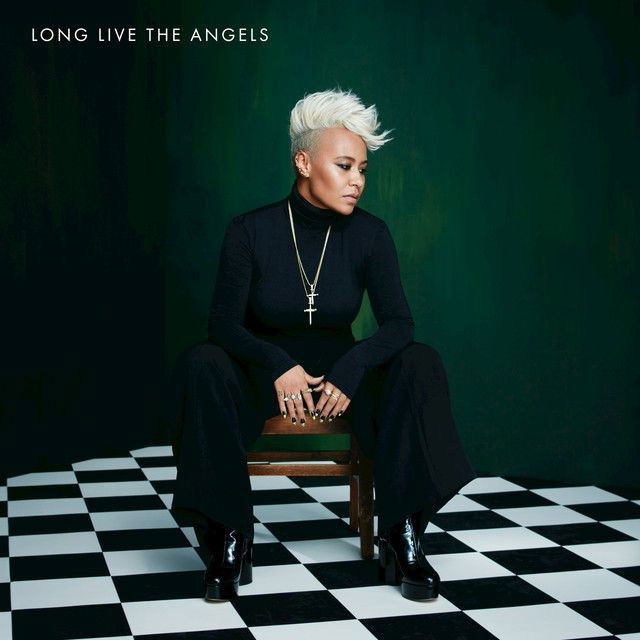
Hurts by Emeli Sandé
Why This Song Still Lands So Hard
The meaning of Hurts Emeli Sandé centers on a simple but brutal truth: loving someone can become painful when that person stops honoring the shared past. The song is not just about heartbreak in general. It is about the shock of realizing that one person still feels everything while the other seems distant, cold, or unwilling to remember.
"Hurts" - Emeli Sandé
Loving you the way I do, it hurts
Hold tight, it's a sing-along
Loading lyrics...
Unable to load lyrics
We're unable to display the lyrics at this time. Please try again later.
Released as the lead single from Long Live the Angels in 2016, “Hurts” marked Sandé’s first lead single in more than three years. According to Songfacts, they said they chose it first because it felt like everything they had avoided saying for a long time. That context matters. The song sounds like a release because it was designed as one.
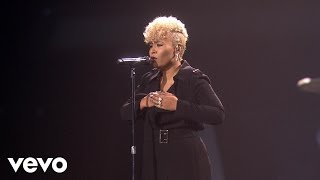
Watch the official Hurts
music video
The Core Story Beneath the Chorus
At the center of the song is a narrator trying to speak to an ex or fading partner who has emotionally checked out. They remember private details, old places, and promises. Meanwhile, the other person seems to deny the bond or act as if the past was never that serious.
That is why the hook feels so direct. When Sandé sings not made of stone
, they are not just saying they are sad. They are defending their right to feel wounded. The line pushes back against emotional numbness. It says: this pain is real, and pretending otherwise only makes it worse.
Interpretation: The song works as both a breakup statement and a demand for emotional accountability. It is less about begging someone to return and more about forcing them to face the damage they caused.
Memory, Denial, and the Sting of Being Forgotten
One of the song’s strongest ideas is the contrast between vivid memory and cold denial. The verses are packed with snapshots: a library, a cinema, a restaurant, a bed where forever was promised. These are not random scenes. They show how heartbreak often lives in ordinary places.
When the narrator points to moments like back of the library
and back of the cinema
, they are building a case. They are saying the relationship happened in real time, in real spaces, with real intensity. So when the other person acts like none of it matters, the injury deepens.
That is why one of the sharpest emotional turns comes with the idea of someone pretending not to remember. The pain is not only that love ended. It is that shared meaning is being erased.
When all that's left to do
is watch it burn
This brief moment captures resignation. The relationship is already collapsing, and the narrator can only witness the damage. The fire image suggests something once warm and alive becoming destructive.
Anger and Vulnerability at the Same Time
A big reason “Hurts” feels powerful is that it refuses to choose between rage and sadness. Sandé explained to Songfacts that they wanted to match anger with vulnerability. That balance is all over the song.
The title and chorus speak from hurt, but the verses crackle with frustration. There are sarcastic laughs, sharp memories, and flashes of disbelief. Even the phrase roll the dice
suggests a relationship built on risk, instability, and repeated damage.
Interpretation: The song presents anger as proof of care, not the opposite of it. The narrator is furious because the relationship mattered. Their pain has not gone cold yet.
How the Sound Carries the Meaning
The production does a lot of storytelling. “Hurts” was produced by Philip Leigh, Matthew Holmes, James Murray, and Mustafa Omer, the writers credited alongside Emeli Sandé in the supplied song data. Factually, reviews and background notes describe the track as driven by urgent percussion, strings, horns, and gospel energy. Sandé also said the team used improvised banging and clapping to create a relentless pulse, as noted by Songfacts.
That choice fits the lyric perfectly. The beat does not soothe. It presses forward like rising emotion that cannot be contained. The strings and horns make the conflict feel huge, almost cinematic. Then the gospel-style lift gives the song a survival instinct. It sounds hurt, but it also sounds defiant.
PopMatters described the song as raw and sweeping, with a frantic beat and heavy emotional force. That response helps explain why the track connected with listeners: it does not hide heartbreak inside polished restraint. It lets the feeling get loud.
A Chorus That Turns Pain Into a Boundary
The chorus is memorable because it repeats one point without dressing it up: loving this person causes damage. The phrase loving you the way I do
frames the problem clearly. The feeling itself is deep and sincere, but that sincerity has become costly.
This is where the meaning of Hurts Emeli Sandé becomes especially relatable. Many breakup songs ask for another chance. This one mostly names the wound. That makes it feel honest. The narrator is no longer confused about whether something is wrong. They know it hurts, and they say it again and again until that truth cannot be ignored.
Final Reading: A Song About Refusing Emotional Erasure
In the end, “Hurts” is about heartbreak, but more specifically it is about refusing to let someone minimize a once-powerful connection. It turns memory into evidence, pain into testimony, and anger into self-respect.
Interpretation: The song may sound like a plea on first listen, but it can also be heard as a reclaiming of voice. By saying the pain out loud, the narrator stops carrying it in silence.
That is why the song still resonates. It captures the moment when grief becomes clarity.
Disclaimer: This interpretation is based on the lyrics, documented artist comments, and critical reception. As with any song, listeners may hear different meanings in it.









