Why "Lucky You" Sounds Like a Rap Warning
The meaning of Lucky You Eminem, Joyner Lucas comes down to pressure, hunger, and rap status. This is not a celebration track in the usual sense. It uses a flashy title and a chant-like hook to deliver something much harsher: a warning shot to rivals, doubters, and a rap scene both artists think has lost some standards.
"Lucky You" - Eminem ft. Joyner Lucas
Yeah, I done did a lot of things in my day, I admit it
I don't take back what I say, if I said it then I meant it
Loading lyrics...
Unable to load lyrics
We're unable to display the lyrics at this time. Please try again later.
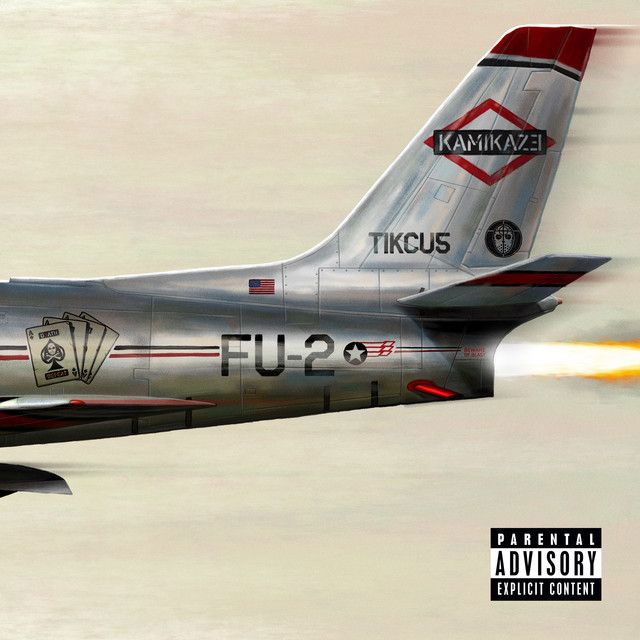
Released on Kamikaze in 2018, the song pairs Eminem with Joyner Lucas during a moment when Eminem was answering criticism after Revival and trying to reassert his edge. Factually, "Lucky You" appeared on Kamikaze, which was released in August 2018 through Shady/Aftermath/Interscope, and the track credits include Eminem, Joyner Lucas, Boi-1da, IllaDaProducer, Jahaan Sweet, and others as writers and producers according to Genius and AllMusic.
A Title That Means the Opposite
The song’s biggest trick is irony. The phrase lucky you
sounds casual, maybe even playful. In context, though, it means something like: you are fortunate they are only taking over the song and not destroying everything around them.
The chorus keeps demanding movement and space, especially with give me the juice
. Paraphrased, they want the energy, the attention, and the power in the room. That turns the hook into a statement of dominance, not gratitude.

Watch the official Lucky You
music video
Joyner Lucas Plays the Hungry Challenger
Joyner opens like someone tired of waiting for permission. He talks about doing a lot, standing by his words, and wanting top recognition without getting it. When he mentions never getting a Grammy, the point is larger than awards. It is about being overlooked.
His verse keeps returning to hunger. A phrase like my turn to cut the food
makes rap sound like a table where others have been eating for too long. He is saying the gatekeepers and the already-famous artists have had their share, and now he is taking his place.
More Than Bragging
A lot of the violent imagery is rap battle exaggeration. It is less a literal threat than a way to show intensity, competitiveness, and readiness. Interpretation: Joyner presents himself as a survivor who has learned to sound dangerous because the industry is dangerous in a different way: it can ignore people, trap them, or push them out.
He also includes a more personal note about wanting his son to be alright. That matters. It shows that under the aggression is fear, responsibility, and a need to win for real-life reasons.
Eminem Turns the Song Into a Comeback Statement
Eminem’s verse changes the angle. Joyner sounds like a contender climbing up. Eminem sounds like a giant defending ground he believes he earned. He admits success but also doubts its value, especially when he says he won awards yet paid a price for recognition.
That self-criticism connects to his post-Revival moment. In interviews around Kamikaze, Eminem made clear that the backlash to Revival fueled the surprise album and its confrontational mood, as discussed in outlets like Sway's Universe and major release coverage from Rolling Stone.
He also attacks trend-chasing in rap. His complaints about ghostwriters, shallow songs, and style over skill reflect a larger argument: technical ability still matters. When he asks what happened to hip-hop, he is not just complaining. He is positioning himself as someone trying to restore discipline and craft.
The Hook Connects Both Rappers
Even though their verses come from different career stages, the chorus unites them. Repeating y'all gotta move
frames both men as forces pushing into space that is crowded or complacent.
Give me some room
Give me the juice
This short refrain matters because it is simple compared with the dense verses. Interpretation: that contrast makes the song feel like a raid. The verses show skill; the chorus claims territory.
How the Production Sharpens the Meaning
Production is a big reason the track feels so urgent. The beat is lean, dark, and rhythmic, with sharp percussion and lots of open space. That minimal structure lets both rappers attack the beat without getting buried under heavy melody.
The instrumental also makes the song feel like a live challenge. There is bounce in the hook, but the verses are tense and clipped. That balance between catchy and combative mirrors the central message: this is entertainment, but it is also a contest.
Fast Flows as a Form of Argument
Their speed is not just for show. In this song, rapid delivery becomes proof of fitness. They are arguing that they still have command, breath control, rhyme skill, and focus. The technical performance is part of the song’s meaning.
Two Readings That Can Both Be True
One reading is straightforward: this is a rap competition song about superiority, hunger, and lyrical skill.
A second reading goes deeper. Interpretation: it is also about insecurity. Joyner worries about being denied his place. Eminem worries about losing his. That shared anxiety gives the record more weight than a typical brag track.
Why "Lucky You" Still Hits
The meaning of Lucky You Eminem, Joyner Lucas lasts because both artists make ambition sound urgent. Joyner raps like he is breaking down a locked door. Eminem raps like he refuses to be replaced.
Together, they turn the song into a statement about rap as conflict, craft, and survival. The title may sound light, but the message is blunt: if they are back in attack mode, everyone else had better make room.
Disclaimer: This interpretation mixes documented context with critical reading of the lyrics and performance. Song meaning can remain open to different listeners.








