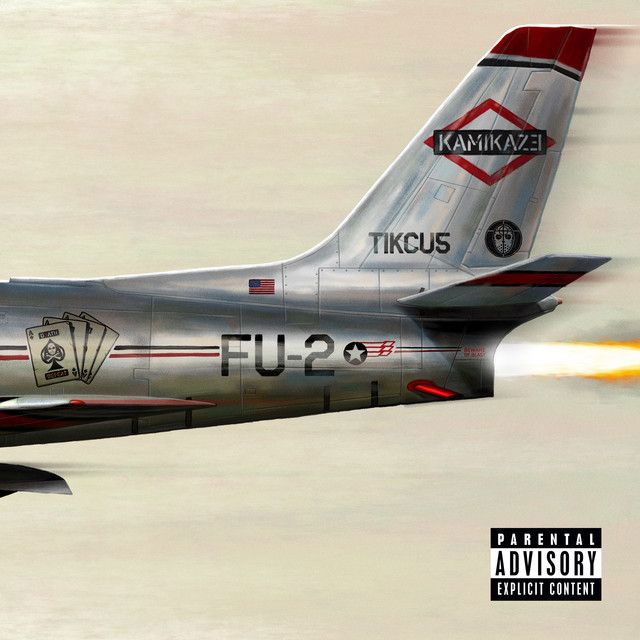
The Ringer by Eminem
The meaning of The Ringer Eminem starts with one clear feeling: outrage. As the opening track on Kamikaze, the song acts like a mission statement after the backlash to Revival. Rather than sounding wounded in a quiet way, they turn criticism into fuel and answer it with speed, jokes, threats, and technical flexing.
"The Ringer" - Eminem
And see where this takes me
'Cause I feel like I wanna punch the world in the fuckin' face right now
Loading lyrics...
Unable to load lyrics
We're unable to display the lyrics at this time. Please try again later.
Factually, "The Ringer" appears on Kamikaze, released in August 2018 through Aftermath, Shady, and Interscope. The album arrived as a surprise release and was widely understood as a response to criticism of Revival and to parts of the current rap landscape. Those release details are documented by major outlets and label coverage, including Interscope and Rolling Stone.
A Opening Salvo, Not a Simple Diss
At its core, the song is about a veteran artist trying to reclaim authority. They begin in attack mode, saying they feel like they want to punch the world
. That line sets the emotional temperature right away. This is not careful reflection first and anger second. It is anger first, then explanation.
But the song is bigger than random rage. They frame themself as someone pushed too far by critics, disappointed fans, media personalities, and trend-driven rap styles. When they say shut the fuck up
to doubters, the point is not just insult. It is a demand to be heard on their own terms.
Interpretation: The track is less about one enemy than about a whole climate of judgment. They sound cornered, but also energized by being cornered.

Watch the official The Ringer
music video
Why Revival Hangs Over Every Bar
A huge part of the meaning of The Ringer Eminem comes from the poor reception to Revival. In the song, they refer to an ex-fan mailing back an old album as if to say the newer work lost what once made them special. They reject the idea of simply remaking earlier classics and insist that copying their past would be just another kind of failure.
That tension matters. They want artistic growth, but they also want approval. The song admits both needs, even if it hides that admission under aggression. One of the most revealing moments comes when they admit they are harder on myself
than critics could be. That turns the song from pure attack into self-defense.
Pride and insecurity at once
This is why the track lands. They boast constantly, yet the boasting only makes sense because they feel misunderstood. They say the public says they no longer "got it," and they answer not with a calm essay but with an avalanche of rhyme. In other words, the song tries to prove its point through performance.
Who They Are Speaking To
The audience shifts throughout the track:
- music critics and journalists,
- disappointed fans,
- newer rappers they see as repetitive,
- and themself in the mirror.
That last target is easy to miss. Beneath the insults, there is a crisis of identity: old Eminem versus new Eminem. When they imagine the old me
fighting the new version, the song becomes a battle over legacy. Are they still the same dangerous lyricist, or a famous artist trapped by expectations?
Interpretation: The answer they give is complicated. They do not want to become a museum piece performing nostalgia, but they also hate being told they changed in the wrong way.
The Title’s Clever Final Turn
The phrase "put through the wringer" means being dragged through stress and criticism. Eminem saves that idea for the end, where they say the media have put me through the ringer
. Then they extend the metaphor with a joke about not "ironing" things out with the press.
That wordplay matters because it sums up the whole song. They are battered by reviews, but still trying to turn pain into technique. It is not subtle, but it is sharp.
put me through the ringer
ironin' shit out with the press
Those lines function like a thesis statement: the press squeezed them, so they answer with verbal violence instead of reconciliation.
How the Sound Carries the Meaning
Production is crucial here. The beat is sparse, tense, and built to leave room for dense rapping rather than a big melodic hook. That design fits the song's purpose. This is not about radio comfort; it is about lyrical pressure.
Their delivery changes often too. They switch between clipped punchlines, long breathless runs, and sarcastic asides. That restless flow mirrors the emotional state of the song. They sound unable, or unwilling, to calm down. The result feels like someone pacing a room, turning every grievance into another rhyme chain.
There is also a deliberate contrast between control and chaos. The content is furious, but the technical execution is highly controlled. That gap is part of the statement: even when they sound unhinged, they are still in command of rhythm, internal rhyme, and timing.
Modern Rap as a Symbolic Enemy
The song names names, but the larger complaint is about what they hear as flattening trends in rap. They criticize copycat flows, drug references, and style over craft. Still, they briefly admit that some popular artists are just not for them, which is more nuanced than a total dismissal.
That nuance matters because it keeps the song from being only "old rapper yells at new music." They are really arguing for lyrical difficulty, replay value, and sharp writing. Whether listeners agree is another matter, but the standard they defend is clear.
Final Meaning: A Career Reboot Through Conflict
In the end, "The Ringer" is about humiliation turned into defiance. It opens Kamikaze by explaining why the album sounds so combative: they felt mocked, misread, and left behind, so they answered with technical force.
Interpretation: The song works as both a rant and a self-rescue attempt. By the end, they are not healed. They are simply re-armed.
That is why the meaning of The Ringer Eminem still connects with listeners. It captures a star trying to protect both ego and craft at the same time.
Disclaimer: This interpretation mixes documented context with critical reading of the lyrics, so some meaning remains open to listener perspective.








