Why ‘Favorite Bitch’ Is Really About Rap
The meaning of Favorite Bitch Eminem, Ty Dolla $ign comes into focus once listeners hear past the breakup language. On the surface, the song sounds like a messy argument with an ex. Under that surface, it is really about Eminem’s damaged love affair with hip-hop itself.
"Favorite Bitch" - Eminem ft. Ty Dolla $ign
Like music's my first love, right
But, what it turned into is like
Loading lyrics...
Unable to load lyrics
We're unable to display the lyrics at this time. Please try again later.
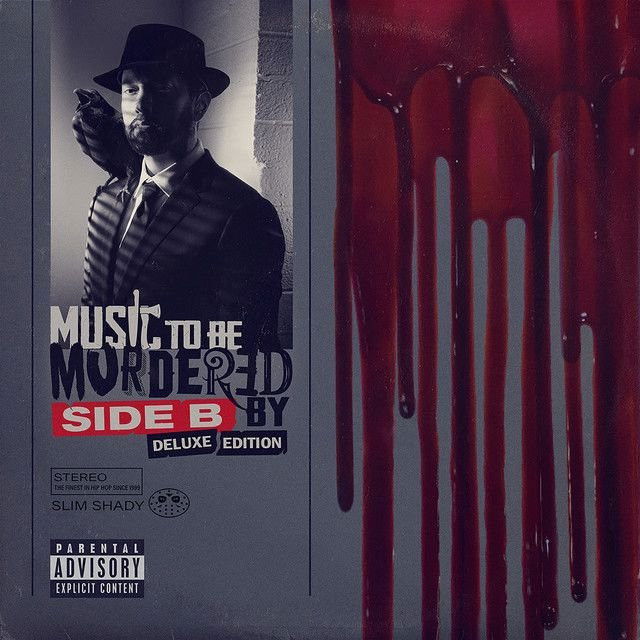
Released on Music to Be Murdered By – Side B in 2020, the track pairs Eminem’s dense, angry writing with Ty Dolla $ign’s melodic hook, as documented on Genius and major album coverage from Pitchfork. Together, they build a song that is bitter, funny, nostalgic, and uneasy all at once.
A Breakup Story Hiding a Bigger Idea
At its core, the song personifies music as a former lover. Eminem frames rap as someone who used to be loyal and inspiring, but who now has been passed around, cheapened, and changed by trend-chasing artists. When the chorus calls her my favorite
, the point is less romance than ownership, history, and wounded pride.
Interpretation: The song is not just saying rap changed. It is saying Eminem feels alienated from the modern version of it. He still loves the art form, but he no longer trusts what the culture has become.
That is why the hook hits so hard. The line things will never be the same
works as the song’s thesis. It turns the whole track into a lament for an older rap era that, in his view, had more craft, hunger, and substance.
Watch the official Favorite Bitch
music video
How the Verses Turn Music Into an Ex
Eminem’s verses keep switching between literal relationship language and clues that the real subject is rap. He talks about jealousy, cheating, and wanting his old connection back. Then he suddenly mentions rap history, old TV moments, and different generations of MCs.
That structure matters. It lets them hear how obsession with music can resemble obsession in love. When he says you changed
, he is really accusing the genre of drifting away from the values he associates with classic hip-hop.
There is also a self-aware streak in the writing. He knows he sounds possessive and extreme. In fact, the song leans into that discomfort. The point is not that his jealousy is healthy. The point is that his bond with rap has always been intense enough to become destructive.
Nostalgia Drives the Meaning
One of the most revealing parts of the track is its memory lane section. Eminem references older rap figures, childhood viewing habits, and the excitement of physical tapes and after-school music rituals. Those details turn the song from a complaint into a personal history.
Would you marry me again?
Now that everything is changed
That brief plea captures the emotional center. He is not only mad at modern rap; he is grieving a lost feeling. He misses the era when music felt magical, communal, and life-defining.
Interpretation: This is why the song lands with older fans. It taps into a broader fear that culture moves on, while personal attachment stays frozen in time.
The Hook Explains the Whole Song
Ty Dolla $ign’s chorus is crucial because it smooths Eminem’s aggression into something sadder and more universal. The refrain about a once-beloved figure who has flipped the script
makes the metaphor easy to follow, even when Eminem’s verses get dense.
His singing also creates contrast. Eminem raps with irritation, sarcasm, and force. Ty sounds wounded and reflective. That balance helps the song feel like more than a rant.
In simple terms, the chorus says this: they had a deep bond with music, music changed, and now they do not know how to reconnect without bitterness.
Sound and Production Match the Theme
Production helps sell the idea. The beat is sleek but tense, leaving room for Eminem’s rapid internal rhymes while giving Ty Dolla $ign a moody lane for the hook. Credits for the song list Eminem, Luis Resto, and others among its creators, with writer information also reflected in release databases such as ASCAP and album notes reported by Discogs.
Musically, the song sits between reflective and confrontational. The low-end and dark textures suggest suspicion and emotional fatigue. Ty’s melody adds polish, but Eminem’s delivery keeps cutting against it, as if the song itself cannot decide whether it wants reunion or revenge.
That tension mirrors the lyrics. They want music back, but they also want to punish it for changing.
What the Darker Lines Mean
Some lines use violent language that can sound shocking even by Eminem standards. In context, those moments push the breakup metaphor into ugly territory on purpose. They show how toxic attachment can become when love turns into entitlement.
Interpretation: The song is not presenting a healthy romance model. It is dramatizing how possessive artists can feel toward the art that shaped them. That ugliness is part of the point, not a side issue.
It also fits a long-running Eminem trait: using exaggeration, horror imagery, and unstable narrators to explore inner conflict, a pattern noted across his career in coverage from Rolling Stone.
Final Take on the Song’s Meaning
So, the meaning of Favorite Bitch Eminem, Ty Dolla $ign is less about a woman than about artistic heartbreak. They use the language of a collapsing relationship to describe Eminem’s love, resentment, nostalgia, and insecurity toward rap music.
What makes the song interesting is that it never hides how messy that feeling is. He misses the old spark, distrusts the present, and still cannot let go. That is why the track feels both personal and cultural at once.
Disclaimer: This interpretation is based on the lyrics, performance, and publicly available song context. As with most art, listeners may hear different meanings in the same lines.
Sources
- https://genius.com/Eminem-favorite-bitch-lyrics
- https://pitchfork.com/reviews/albums/eminem-music-to-be-murdered-by-side-b-deluxe-edition/
- https://www.rollingstone.com/music/music-album-reviews/eminem-music-to-be-murdered-by-side-b-review-1106801/
- https://www.ascap.com/repertory
- https://www.discogs.com/









