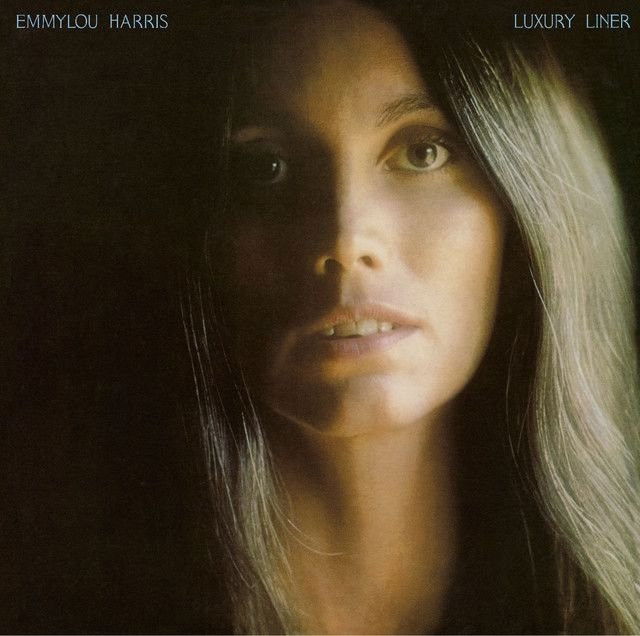
Riding the ‘Tulsa Queen’: Emmylou’s Lonesome Signal
They don’t have to know trains to feel this one. Emmylou Harris turns rail noises into human truth, and the result is a small, shining heartbreaker. If you’re hunting for the meaning of Tulsa Queen Emmylou Harris, start with the sound of motion and the stubborn honesty of goodbye.
"Tulsa Queen" - Emmylou Harris
In the Tulsa night
Calling out my name
Loading lyrics...
Unable to load lyrics
We're unable to display the lyrics at this time. Please try again later.
Heartbreak in Motion: What the Song Really Says
The narrator hears a night train and recognizes their own loss in its rhythm. When they admit, I heard the train
, the train becomes a witness and a judge. It calls out, answers back, and refuses to soften the truth.
Interpretation: The “Tulsa queen” is a personified locomotive, a stately engine that tells the narrator what they already know—this relationship has reached the end. The train’s voice is so sad and high
, but it’s also unblinking, echoing the lyric’s insistence that the queen don’t ever lie
. That honesty is painful and freeing at once.
And I want to ride Like a Tulsa queen Calling out to you As she calls to me
The chorus pictures escape without erasing love. Riding the queen means letting time move them forward, even while the past still sings.

Watch the official Tulsa Queen
music video
Who’s Speaking, and Why It Hurts
This is a first‑person confession to an absent “you.” They’re still speaking the lover’s name, sometimes too loudly—speak your name too loud
—as if volume could bring someone back. But the train remains the only thing answering.
Interpretation: The narrator is caught between clinging and release. The queen, which don’t care where she goes
, models a colder kind of mercy—keep rolling, no matter what’s behind you.
The Story in Three Beats
- Recognition: Night falls, the rail line moans, and the narrator hears fate in it—
I heard the train
—a summons they can’t ignore. - Reckoning: The queen is both lullaby and verdict. She’s
so sad and high
but uncompromising, pushing the truth that this love won’t return. - Release: The narrator imagines leaving with the train. “Ride like a Tulsa queen” becomes a vow to move, not necessarily to forget.
Symbols That Carry the Weight
- The Queen: By calling a machine a “queen,” Harris gives it dignity and authority. The queen
don’t ever lie
, so the message of goodbye feels inevitable. - Ten Wheels: The line about
these ten wheels
points to a classic Ten‑Wheeler engine and, symbolically, to the machinery of time. Grief turns; the train rolls; you go on. - Tulsa Night: Tulsa is both a map dot and a mood. It stands for the place they must leave to stop hurting.
- Volume and Shame: Saying a name too loudly in public highlights how loss leaks out in small, embarrassing ways. The crowd won’t fix it; the train might.
How the Sound Makes the Story True
Harris’s recording leans on a gentle train beat, brushed drums, acoustic guitar, and sighing steel. The arrangement moves like rails: steady, gliding, and unhurried. Her vocal rides high and clear, matching the lyric’s “sad and high” tone without tipping into despair.
Co‑writer Rodney Crowell’s influence shows in the economical lines and lived‑in details. There’s no clutter—just images you can hold. The mix leaves space around the voice, so when the chorus arrives, it feels like a wide night sky opening over endless track.
Interpretation: The steel guitar’s upward slides mimic the whistle’s cry, and the rhythm section’s soft churn becomes the wheel‑to‑rail heartbeat. The band doesn’t overplay, which lets the metaphor land: movement itself is mercy.
Other Ways to Hear It
Interpretation: Some listeners read the train as life on the road. The queen that don’t care where she goes
can be touring’s grind—arriving late, leaving early, making peace with distance. In that view, the narrator is asking how to keep a heart when every route demands another goodbye.
Another angle reads the queen as truth. It doesn’t bend to feelings; it simply passes through. When the song closes on absence—are gone...
—it’s not hopeless. It’s acceptance, sung softly instead of shouted.
Why the Title Image Endures
Harris distills heartache into a single figure you can hear. The queen is motion, honesty, and dignity—all at once. That’s why the meaning of Tulsa Queen Emmylou Harris still connects: it gives loss a spine, not just a tear.
Takeaway: A Gentle, Unstoppable Goodbye
They want to ride with the queen not to erase love, but to survive it. By trusting the train’s plain truth, the song finds grace in forward motion.
Disclaimer: The above is interpretation based on the lyrics, performance, and common country tropes. Individual experiences may lead to different readings.







