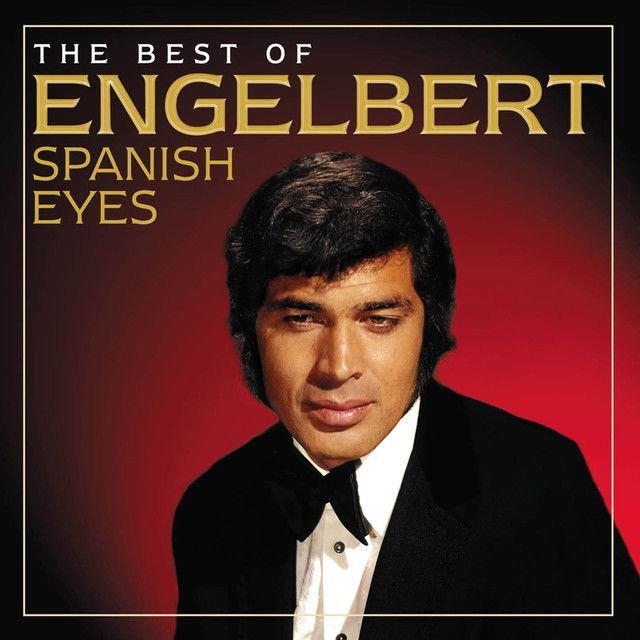
Why 'The Last Waltz' Still Breaks Hearts
The meaning of The Last Waltz Engelbert Humperdinck lies in a simple but powerful idea: one dance becomes the whole story of a love affair. What starts as a shy meeting on a dance floor turns into a memory that keeps growing, even after the relationship ends. That is why the song feels so timeless. It is about romance, loss, and the way one moment can stand for an entire life chapter.
"The Last Waltz" - Engelbert Humperdinck
The band had only one more song to play
And then I saw you out the corner of my eye
Loading lyrics...
Unable to load lyrics
We're unable to display the lyrics at this time. Please try again later.
Released in 1967, the song became one of Engelbert Humperdinck's signature hits. According to Wikipedia, it spent five weeks at No. 1 in the UK and sold more than 1.17 million copies there alone. That popularity matters to its meaning too: listeners clearly heard something deeply familiar in its picture of love found and lost.
A Dance That Means More Than a Dance
On the surface, the plot is direct. The singer is at an event, unsure whether to leave, when they notice someone shy and alone. Then comes the turning point: the last waltz
. In plain terms, that final song at the end of the night becomes the start of a relationship.
This is the song's smartest emotional move. The phrase does double duty. Factually, it refers to the final dance played by the band. Interpretation: it also suggests the last great moment before time starts taking things away. Even at the beginning, the title carries an ending inside it.
That double meaning helps explain why the song feels bittersweet even during its happiest lines. The narrator says two lonely people together
, which turns a romantic image into something more human. They are not presented as glamorous dream lovers. They are two isolated people who briefly rescue each other.

Watch the official The Last Waltz
music video
The Story Moves in Three Clean Steps
One reason the song has lasted is its clear structure. It tells a whole relationship in less than three minutes.
- They meet by chance at a dance.
- They fall in love and build a life together.
- The relationship fades, and the same dance image returns as a symbol of goodbye.
The first verse frames the meeting with hesitation. The singer wonders whether to leave, then notices the shy figure nearby. That small detail matters. Love does not arrive through drama. It arrives through attention.
The middle section changes the mood. The song says the love survived both highs and lows, suggesting a real relationship rather than a passing crush. Then comes the emotional break: the flame of love
disappears. Instead of describing a loud fight, the lyric shows distance growing in someone's eyes. That choice keeps the pain restrained, which actually makes it hit harder.
The Chorus Holds the Real Meaning
The chorus is where listeners find the heart of the meaning of The Last Waltz Engelbert Humperdinck. It repeats the memory of that final dance and treats it as something sacred. The idea is not just "they danced once." It is that one shared moment seemed strong enough to promise forever.
I had the last waltz with you
I fell in love with you
Those short lines connect cause and effect. The dance is not background scenery. It is the emotional spark, the symbol, and the wound. By the end of the song, the same image returns with a new meaning. What once marked a beginning now marks an ending.
Interpretation: the chorus suggests that people often turn one perfect memory into proof that love was meant to last. The tragedy is not only that the romance ended. It is that the memory stayed beautiful while real life changed.
Why the Song Sounds So Gentle
The production helps the message land. The recording was produced by Peter Sullivan, with songwriting from Barry Mason and Les Reed, and it was cut at Decca Studios in London in 1967. It sits in the easy listening and pop tradition, with a smooth orchestral setting rather than a raw rock arrangement.
That matters because the softness shapes the heartbreak. The orchestra does not explode; it sways. The rhythm feels formal, almost elegant, matching the ballroom image. Humperdinck's vocal style is warm and controlled, which keeps the song from sounding self-pitying. Instead, it sounds remembered.
Near the end, the lyric mentions the orchestra playing
. The arrangement mirrors that image, making the music itself part of the story. The band does not just accompany the heartbreak. It becomes the sound of memory continuing after the relationship is over.
Artist Context Makes the Emotion Bigger
Humperdinck built much of his early fame on romantic ballads delivered with old-world polish. On the Official Charts, "The Last Waltz" stands as one of his biggest songs, and its success in multiple countries shows how widely its sentiment traveled.
That broad appeal comes from its balance of drama and simplicity. It is grand enough for a ballroom, but plain enough for anyone who has attached big feelings to one small memory. In the late 1960s, when pop music was moving in many directions at once, this song offered classic romance without irony. That gave it a special place.
A Few Strong Symbols Behind the Lyrics
Several motifs hold the song together:
- The dance: a symbol of connection, timing, and fate.
- The orchestra: memory continuing even when love ends.
- Eyes and tears: private signs of emotional truth.
- The final song: the moment when beginnings and endings touch.
The line about nothing left to say
is especially important. The breakup is not explained in detail. That silence makes the loss feel universal. Listeners can place their own story inside it.
Why It Still Resonates Today
The song remains moving because it understands how memory works. People do not always remember every day of a relationship. They remember one room, one song, one look, one last dance. "The Last Waltz" turns that truth into a melody.
In the end, the meaning of The Last Waltz Engelbert Humperdinck is not only about heartbreak. It is about how love can feel eternal in one instant, even if life proves otherwise. That tension gives the song its lasting ache.
Disclaimer: This article offers a good-faith interpretation based on the lyrics, recording context, and public sources. Meanings can vary from listener to listener.







