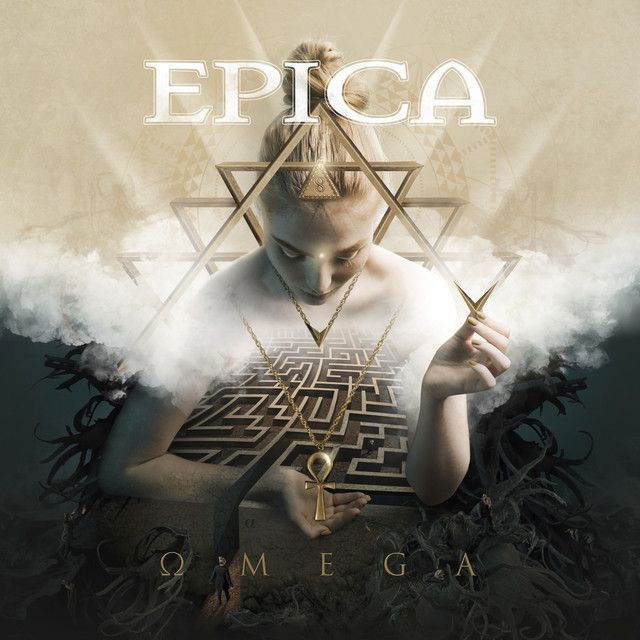
Why Epica's 'The Skeleton Key' Unlocks Fear
The meaning of The Skeleton Key Epica centers on a fight inside the mind. The song sounds huge and dramatic, but its message is surprisingly human: fear grows in the dark, panic repeats itself, and peace only arrives when they face what is hidden within.
"The Skeleton Key" - Epica
We are the night
We haunt your mind
Loading lyrics...
Unable to load lyrics
We're unable to display the lyrics at this time. Please try again later.
Epica have long mixed symphonic metal with philosophical and emotional themes, a style documented across the band’s official history and releases on their official website and Nuclear Blast artist page. In this song, they use that scale to turn an inner crisis into something almost mythic.
A Battle Song Set Inside the Mind
At its core, the track describes someone trapped in racing thoughts, sleeplessness, and dread. The opening mood places them in a haunted mental space rather than a literal one. When the song points to the night
and to voices inside the mind, it suggests a person surrounded by intrusive thoughts and fear.
Interpretation: The real enemy is not a monster outside the room. It is the part of the self that distorts reality, feeds panic, and keeps them circling the same mental pain.
That makes the title important. A skeleton key can open many locks. Here, it likely stands for self-knowledge, resilience, or a hard-won inner method for surviving darkness. By the end, the song implies that they do not escape the mind; they learn how to unlock it.

Watch the official The Skeleton Key
music video
How the Lyrics Move From Panic to Clarity
The verses begin in confusion. They describe a mind full of noise, with no clear direction and no easy answer. The song keeps returning to circular motion, suggesting obsessive thought patterns and emotional exhaustion.
Then the chorus asks whether they can find the lightning
inside the mind. That image matters. Lightning is brief, bright, and powerful. In plain terms, the song is asking whether insight can cut through fear, even for a second.
The next key contrast is darkness versus sunrise. The lyrics mention the dark side
and then wait for the sunrise
. This is a simple but effective emotional arc: terror first, relief later. The song does not deny the night. Instead, it promises that panic is not the final state.
The Chorus Turns One Person's Fear Into a Shared Experience
One reason the song hits hard is that it moves from "I" language in the verses to "we" language in the chorus. That shift changes the meaning. It frames anxiety and fear as collective struggles rather than private failures.
When the song says we've all been dancing in the dark
, it suggests that everyone has, at some point, lived beside fear, denial, or uncertainty. The phrase is poetic, but the idea is plain: people often keep moving while inwardly lost.
Interpretation: This shared voice may be why the song feels empowering instead of hopeless. It admits pain, but it also removes shame.
Symbols That Open the Song's Deeper Meaning
Several recurring images build the track's message:
- Night: fear, insomnia, and the unknown
- Whispers: self-doubt, lies, or intrusive thoughts
- Mirror: self-examination and distorted perception
- Lightning: sudden truth or mental breakthrough
- Sunrise: healing, calm, and emotional release
- Key: access to inner freedom
The most important symbol is the final one. In the closing lines, the phrase skeleton key
turns the whole song. Instead of waiting for rescue, they claim the power to unlock what has been buried.
With peace of mind
unlocking all the secrets in me
we harmonize
I carry my own skeleton key
That brief ending resolves the tension. Peace is not pictured as forgetting the darkness. It comes from understanding it.
How Epica's Sound Carries the Message
Epica's music often combines metal weight, orchestral drama, and Simone Simons' clear vocals, as noted in band materials from Epica and Nuclear Blast. That approach suits this song perfectly.
The heavy guitars and pounding rhythm section feel like pressure building in the body. The symphonic layers add grandeur, making private panic feel enormous and cinematic. At the same time, the melodic vocal lines offer balance. They suggest control trying to return while chaos still rages underneath.
The result is emotionally smart production. The arrangement does not just accompany the lyrics; it mirrors them. Tension rises, darkness closes in, and then the music opens enough to hint at release.
A Few Plausible Readings of the Song
There is more than one way to hear the meaning of The Skeleton Key Epica.
Interpretation 1: A mental health reading. The references to sleeplessness, panic, mental noise, and holding on to sanity strongly support this. In this view, the song is about surviving anxiety or depression.
Interpretation 2: A spiritual awakening reading. The lyrics also speak like a search for enlightenment. They move from illusion and fear toward truth, harmony, and inner unlocking.
Interpretation 3: Both at once. This may be the strongest reading. Epica often write in a way that blends psychology and spirituality, so the inner battle can be both emotional and existential.
Why the Song Leaves Such a Strong Aftertaste
What makes the track memorable is its balance of darkness and agency. It describes fear vividly, but it refuses to end there. The final insight is that the answer is already within them, even if it takes pain to reach it.
For listeners, that is the heart of the song: terror may enter the mind, but so can understanding. The lock is real, yet the key is already in hand.
Disclaimer: This article offers interpretation, not a confirmed statement from the band. Song meaning can remain open, and different listeners may hear it differently.








