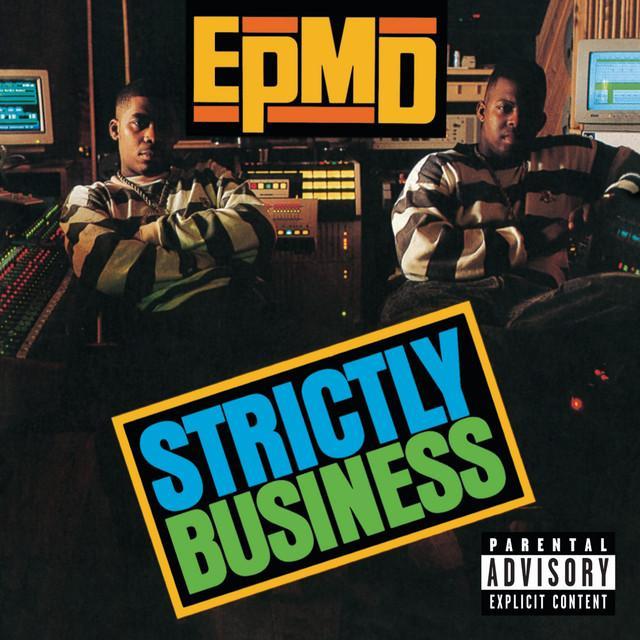
Why EPMD Told Rappers to Step Back
The meaning of Get Off The Bandwagon EPMD starts with a simple idea: they are protecting their style. On the track, EPMD turn frustration into a sharp warning for copycats, trend-followers, and weak rivals who try to profit from a sound they did not create.
"Get Off The Bandwagon" - EPMD
Ayo what's up E Double?
[Erick Sermon]
Loading lyrics...
Unable to load lyrics
We're unable to display the lyrics at this time. Please try again later.
Released during hip-hop’s late-1980s golden era, EPMD built their name on laid-back confidence, heavy funk, and direct battle talk. The duo—Erick Sermon and Parrish Smith—were credited as the song’s writers, and their early work helped define East Coast rap’s cool, stripped-down attack. That broader career arc is documented in sources like Britannica and AllMusic.
A Warning Shot, Not Just a Boast
At its core, this song is about originality. EPMD are not merely saying they rap better than others. They are saying too many MCs are jumping onto a successful formula after EPMD already proved it works.
When the hook says get off the bandwagon
, the phrase works like an order. They want imitators to stop chasing trends and stop copying their style. In plain terms, the song argues that rap should reward creators, not followers.
Interpretation: the title phrase also points to a bigger hip-hop value. In that era, authenticity mattered as much as technical skill. A rapper could have energy, but if they sounded borrowed, they lost respect.

Watch the official Get Off The Bandwagon
music video
The Real Target: Biters and Opportunists
Several verses make the enemy clear: not one person, but a type of artist. EPMD keep circling back to so-called biters, meaning rappers who copy flows, ideas, or image.
PMD says rivals bite our style
, which is a short way of accusing them of creative theft. He follows that idea with comic-book and detective imagery, presenting himself as someone who can spot fake talent fast. Those references make the diss entertaining, but the message stays serious: imitation is a sign of weakness.
Erick Sermon also frames the issue like a case to solve, almost mocking how obvious the answer is. That detective angle suggests EPMD see the truth clearly even when others pretend not to. They know who started the wave, and they want credit for it.
How the Verses Build Their Case
The song does more than insult rivals. It lays out a whole defense of EPMD’s place in rap.
First, they establish authority
Early on, the duo identify themselves with pride and chemistry. Their back-and-forth intro sounds casual, but it quickly sets the tone: they are organized, focused, and ready to protect their lane.
Then, they expose the copycats
Lines about the wrong people entering rap suggest some artists chose music for money or hype, not because they belonged there. When PMD says rap ain't your field
, he is dismissing these imitators as outsiders who picked the wrong profession.
Finally, they issue the challenge
The song keeps moving toward conflict. Phrases like good to flow
and battle-ready talk tell listeners that EPMD are not just complaining. They are willing to prove their point in open competition.
Why the Chorus Hits So Hard
The repeated hook is one reason the track sticks. It is simple, memorable, and blunt. By repeating get off the bandwagon
, EPMD turn a complaint into a slogan.
Interpretation: that repetition matters because it sounds like crowd control. They are not speaking quietly to one rival. They are addressing a whole rap scene crowded with followers. The chorus becomes a border line between innovators and imitators.
Sound as Meaning: Funk, Space, and Control
Part of the meaning of Get Off The Bandwagon EPMD comes from how it sounds. EPMD’s style was known for funk-based grooves, roomy drum patterns, and an unhurried vocal attack, a sound discussed in overviews of their catalog at AllMusic.
That production approach matters here. The beat does not rush. Instead, it leaves space for each threat, joke, and boast to land. The bass-heavy groove gives the record authority, while the scratching from DJ K La Boss adds movement and proof of crew unity.
Rather than sounding frantic, the track sounds in control. That control reinforces the message: EPMD do not act like artists worried about losing their spot. They sound like artists confident enough to call out everyone copying them.
A Snapshot of Rap Competition in Its Era
This song also reflects a larger hip-hop tradition. Battle rap, self-promotion, and calling out fake artists were central parts of the culture in the 1980s and early 1990s. EPMD fit squarely into that world, but they delivered it with more cool than chaos.
Their approach is not full of panic. It is almost amused. Even when they threaten lyrical damage, they often sound relaxed, as if the competition is already decided. That calm swagger is a big part of what made EPMD influential.
The Deepest Meaning Behind the Diss
So what is the deeper takeaway? The meaning of Get Off The Bandwagon EPMD is not only “do not copy us.” It is also “earn your place.” The song defends artistic identity in a genre built on voice, style, and reputation.
Interpretation: the track can be heard as a mission statement for any artist tired of seeing originality turned into a trend by others. EPMD are drawing a line between invention and imitation, and they make that line sound cool, funny, and dangerous at once.
Final Take: Why the Song Still Connects
Even decades later, the message still feels current. Every music era has bandwagon jumpers, and every strong scene has artists who push back. EPMD package that conflict into a lean, catchy warning that still makes sense today.
Their point is simple: if someone built the sound, they deserve respect for it. Everything else in the song—the jokes, the battle talk, the swagger, and the groove—serves that one idea.
Disclaimer: This interpretation is based on the lyrics, performance, and historical context of the song. As with any rap record, listeners may hear different shades of meaning in its humor, bravado, and competitive energy.








