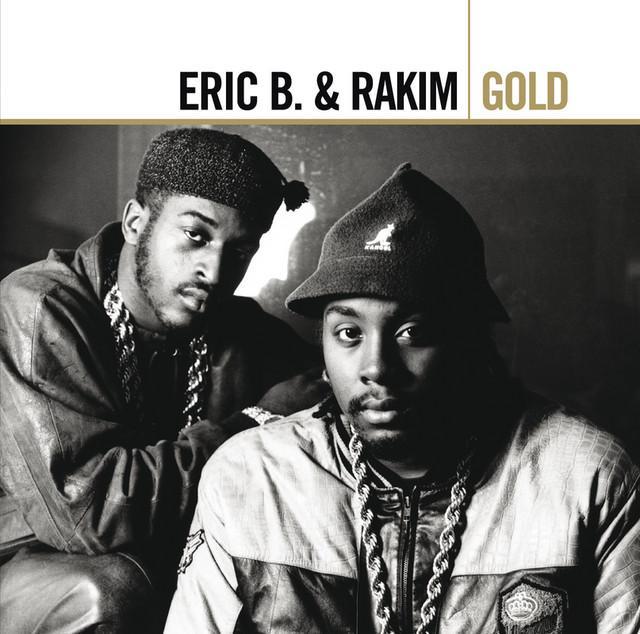
Don't Sweat The Technique by Eric B. & Rakim
Why This Rap Classic Still Feels Untouchable
The meaning of Don't Sweat The Technique Eric B. & Rakim starts with a simple idea: true mastery does not need panic, excuses, or overexplanation. Rakim uses the song to present rap as a craft built on discipline, structure, and years of work. Instead of begging for approval, they sound fully sure of what they have already earned.
"Don't Sweat The Technique" - Eric B. & Rakim
Don't sweat the technique
Let's trace the hits and check the file
Loading lyrics...
Unable to load lyrics
We're unable to display the lyrics at this time. Please try again later.
Released in 1992 as the title track from the duo’s final studio album, the song arrived late in Eric B. & Rakim’s run, when their reputation was already secure. That matters, because the record is not about becoming great. It is about defending greatness and showing why their style still stands above imitators.
Watch the official Don't Sweat The Technique
music video
A Victory Lap Built on Skill
On the surface, this is a brag rap. But it is a very specific kind of brag rap. Rakim is not just saying he is better than other MCs. He is saying his greatness comes from technique: rhyme design, breath control, timing, vocabulary, and the ability to make dense writing sound smooth.
When he says flip the script
and warns others not to copy his style, he frames rap like a field where originality matters. The song keeps returning to competition, but not in a sloppy battle-rap way. Their point is that weak artists chase trends, while real innovators create methods others fail to match.
Interpretation: the repeated hook, don't sweat the technique
, works like advice with an edge. It can mean “do not worry, this is under control,” but it also means “do not strain yourself trying to figure out how they do it.” In other words, the technique is both the method and the mystery.
How the Verses Connect to the Main Theme
Rakim Turns Writing Into Science and Art
One of the smartest parts of the song is how Rakim describes his own process. He compares listeners and rivals to researchers, scientists, and philosophers trying to decode him. That image lifts rap out of casual entertainment and treats it like something studied.
He also mixes art forms together. He describes words as tools, even weapons, and links letters to music and structure. In a few lines, writing becomes poetry, architecture, sculpture, and mathematics. That is the core message: rap is not random talk over drums. It is design.
Pencils and pens are swords
Letters put together
from a key to chords
Those lines are brief, but they show the song’s worldview. Language has force. Technique is not only cleverness; it is a trained ability to shape sound and meaning at once.
The Song Also Looks Back
Rakim mentions his debut in 1986 and his history of making hits. That backward glance gives the song another layer. It is partly autobiography. They are reminding listeners that their status was built over time, not overnight.
That history also answers a 1992 question: could Eric B. & Rakim still matter as hip-hop changed around them? Their answer is yes. The song argues that passing trends fade, but craft lasts. Rakim even suggests older methods can outlive what seems new because the real thing has deeper value.
The Beat Makes the Message Physical
The production is a huge part of the meaning. Eric B. & Rakim produced the album themselves, and critics at Rolling Stone praised the balance between Eric B.’s tough, jazzy tracks and Rakim’s commanding lyrics. On this song, the horns hit with swagger, the drums stay sharp, and the groove feels muscular without sounding cluttered.
That matters because the beat mirrors the title. Nothing sounds rushed. The track moves with total control. The brass stabs give the record a public, almost ceremonial feel, like a champion entering the room. Meanwhile, Rakim’s voice stays calm and measured, which makes his confidence more believable.
Rather than shouting to prove power, they let the arrangement do part of the work. The beat says what the lyrics say: mastery is visible in control.
More Than Bragging: A Statement About Hip-Hop
The song’s competitive tone can sound harsh at first, but it is really guarding a standard. Rakim treats hip-hop as a serious art form with rules, lineage, and skill. When he suggests others study but still cannot fully decode him, he is not only mocking rivals. He is defending originality in a genre where copying can come easy.
This helps explain the song’s long afterlife in movies, TV, and games. It carries an instantly recognizable feeling of excellence under pressure. It is motivational music, but not soft motivation. It pushes the idea that confidence should come from preparation.
Interpretation: that is why the hook aged so well. In sports, school, work, or art, don't sweat the technique
feels like a motto for trusting the hours already put in.
A Lasting Legacy in Their Catalog
As part of the 1992 album Don't Sweat the Technique, which reached No. 22 on the Billboard 200 and No. 9 on the Top R&B/Hip-Hop Albums chart, the track helped close the duo’s recording run on a high note. It was also a major rap hit, reaching No. 1 on the Hot Rap Songs chart.
That success fits the song’s meaning perfectly. It is both performance and proof. They claim elite status, then back it up with a record strong enough to become part of hip-hop’s canon.
Final Take on the Song’s Meaning
The meaning of Don't Sweat The Technique Eric B. & Rakim is about earned confidence. Rakim presents technique as the hidden engine behind style, and Eric B.’s production gives that idea a hard, elegant frame. Together, they turn a boast into a lesson: greatness is not magic, but it can look like magic when the work is deep enough.
That is the song’s lasting power. It celebrates skill, originality, and composure in a culture that respects all three.
Disclaimer: This interpretation is based on the lyrics, performance, production, and documented context. Like all song analysis, some meanings remain open to listener interpretation.







