Why “Three O'Clock Blues” Still Hurts
The meaning of Three O'Clock Blues Eric Clapton, B.B. King starts with a simple blues scene: a person awake deep into the night, unable to rest because love has gone missing. But the song does more than describe heartbreak. It turns insomnia, panic, and shame into a full emotional collapse.
"Three O'Clock Blues" - Eric Clapton, B.B. King
And I can't even close my eyes
Three o' clock in the mornin'
Loading lyrics...
Unable to load lyrics
We're unable to display the lyrics at this time. Please try again later.
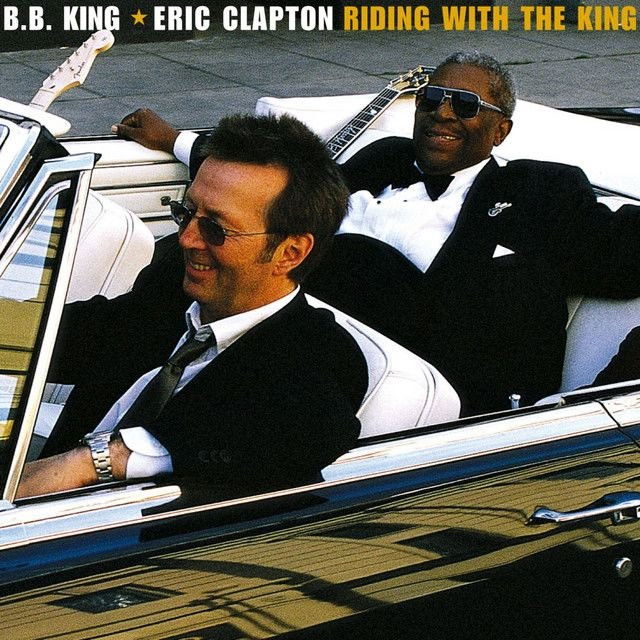
On the 2000 duet version from Riding with the King, Eric Clapton joins B.B. King on one of the songs that helped define King’s legacy. The result is not flashy. They keep the pain plain, slow, and human.
A Late-Night Blues That Keeps Getting Darker
At first, the song sounds like a familiar blues complaint. The singer is up at three o' clock
, and sleep will not come. That opening image matters because 3 a.m. is a classic hour of loneliness, when fear feels bigger and there are no distractions left.
From there, the story moves from restlessness to loss. The singer cannot find the woman he loves and says he can't be satisfied
. In plain terms, this is not just romantic disappointment. It is a feeling that his whole inner world has fallen out of balance.
Interpretation: the song’s power comes from escalation. What begins as worry becomes desperation, then something close to emotional ruin.
Watch the official Three O'Clock Blues
music video
The Narrator Is Not Just Sad
The voice in the lyric is first-person and deeply exposed. He is not acting tough. He is telling listeners, almost in real time, that he is unraveling.
One key turn comes when the search for his lover starts to sound hopeless. He has looked all around
, but she is still gone. That repeated searching gives the song motion, yet it also shows how stuck he is. He keeps moving physically, but emotionally he goes nowhere.
Then the lyric gets heavier. Instead of only missing someone, he starts speaking as if life itself may be nearing an end.
Goodbye, everybody
I believe this is the end
That is the song’s starkest moment. Before and after it, the listener can hear a man overwhelmed by grief and guilt, not merely inconvenienced by a breakup.
Guilt Changes the Meaning
The final lines add an important layer. He wants someone to tell his baby to forgive him, even referring to his sins
. That changes the song from a simple missing-you blues into a confession.
Now the loss may not be random. He may believe he caused it. The heartbreak is mixed with remorse, and that remorse makes the song feel heavier than many standard blues laments.
Interpretation: this is why “Three O’Clock Blues” lingers. The singer is not only abandoned; he may also be facing what he did wrong. That self-blame gives the song moral weight, not just romantic pain.
How the Music Carries the Ache
Factually, “3 O’Clock Blues” is a slow twelve-bar blues, around 65 beats per minute, and B.B. King’s 1951 recording became his first major hit, spending 17 weeks on the Billboard R&B chart and five at No. 1, according to Wikipedia’s summary. That success helped launch his national career.
The arrangement matters as much as the words. King’s original recording used a full backing band with horns and piano, but the emotional center stayed with the conversation between his voice and guitar. Writers have long pointed to the drama in that exchange: he sings a hurt feeling, then the guitar seems to answer it.
That call-and-response quality carries into the Clapton collaboration. Clapton does not crowd King. Instead, they create space. Their guitars speak in short, bending phrases, and the slow tempo lets every note hang in the air.
Why the duet works
Clapton had admired King for decades, and Riding with the King was built on mutual respect rather than competition. On “Three O’Clock Blues,” that matters because the song needs restraint.
King brings authority and lived-in ache. Clapton brings a cooler, polished touch that frames the song without softening it too much. Together, they make the track feel like memory revisited: old pain, still active.
Themes Hiding Inside Simple Language
One reason the song lasts is that its language is plain. There are no complicated symbols. Still, several strong motifs run through it:
- Night: the hour suggests isolation and mental spiraling.
- Searching: looking everywhere suggests both physical absence and emotional confusion.
- Farewell: the goodbye language raises the emotional stakes sharply.
- Forgiveness: regret turns sorrow into confession.
Because the writing is so direct, listeners can step into it easily. Even if they have never lived this exact story, they understand the feeling of being awake too late with a mind that will not stop.
Why This Blues Standard Endures
The song also matters historically. It was first recorded by Lowell Fulson, then transformed into a breakthrough by B.B. King in 1951. Later honors, including the Grammy Hall of Fame and the Blues Hall of Fame, reflect how central it became to blues history.
But history alone does not explain its staying power. The real reason is emotional truth. “Three O’Clock Blues” shows how blues music can hold several feelings at once: longing, fear, guilt, and the wish for mercy.
For listeners asking about the meaning of Three O'Clock Blues Eric Clapton, B.B. King, the best answer is this: it is a song about heartbreak at its most unguarded. It captures the hour when missing someone turns into self-reckoning.
The Final Take at 3 A.M.
In the Clapton and King version, the song remains intimate rather than theatrical. They do not over-explain the pain. They let the slow groove, the tired voice, and the crying guitar tell the story.
Interpretation: the deepest meaning may be that the hardest part of loss is not only that someone is gone. It is the terrible quiet that forces a person to face what remains inside.
Disclaimer: song meaning is interpretive. This reading is based on the lyrics, the recording history, and the musical performance, but other listeners may hear different shades of meaning.
Sources
- https://en.wikipedia.org/wiki/3_O%27Clock_Blues
- https://en.wikipedia.org/wiki/Riding_with_the_King_(B.B._King_and_Eric_Clapton_album)
- https://grammy.com/awards/hall-of-fame-award
- https://blues.org/news-blues-hall-of-fame-2020-inductees-named-bettye-layette-syl-johnson-victoria-spivey-eddie-boyd-george-smith-billy-branch-ralph-peer/








