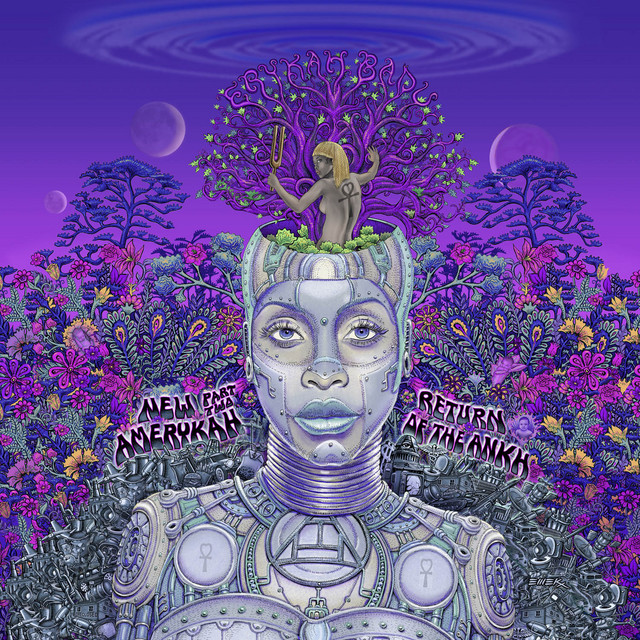
Window Seat by Erykah Badu
Why This Song Still Pulls People In
The meaning of Window Seat Erykah Badu starts with a simple wish: to get away. On the surface, the song sounds like they want space on a plane, room to breathe, and a quiet exit from pressure. But the deeper feeling is not just travel. It is emotional escape.
"Window Seat" - Erykah Badu
Oh, oh, oh
Fell in love
Loading lyrics...
Unable to load lyrics
We're unable to display the lyrics at this time. Please try again later.
Released in 2010 as the lead single from New Amerykah Part Two (Return of the Ankh), the track was written by Erykah Badu and James Poyser and produced by both of them. It is widely described as a low-tempo R&B ballad about longing and escapism, and that frame helps explain why the song feels both gentle and restless at once.

Watch the official Window Seat
music video
The Core Meaning: Freedom Mixed With Need
At the center of the song is a contradiction. They ask for a window seat
and say they do not want anyone close, which sounds like independence. Yet only moments later, they admit they still need love, applause, attention, and direction.
That tension is the real heart of the song. It is about wanting freedom from emotional noise while also wanting to be seen. The speaker is tired, overpulled, and overstimulated. They want a break, but not total isolation.
Interpretation: the song presents escape as a fantasy, not a final answer. Getting away might bring relief, but it does not erase loneliness.
A Mind Split Between Leaving and Staying
The verses show overload
Early on, the song describes a life crowded by demands, work, relationships, and responsibility. They are trying to focus on music, love, and family, but the pressure keeps building. That is why the request for a ticket feels so urgent.
When they ask for a ticket outta town
, they are not just talking about a trip. They are asking for distance from expectation. The plane image suggests movement, height, and perspective. They want to look down on life for a minute and make sense of it.
The chorus shows vulnerability
The chorus sounds calm, but the words are raw. They want a chance to fly
and also a chance to cry
. That pairing matters. Flying suggests release; crying suggests emotional honesty.
Don't want nobody next to me
I just want a chance to fly
A chance to cry
This is the song's clearest emotional summary. They are asking for space not because they feel nothing, but because they feel too much.
What the Push-and-Pull Says About the Narrator
One of the smartest things in “Window Seat” is how it refuses to make the speaker fully strong or fully broken. They are both. At one point, they seem ready for a long bye bye
. Soon after, they ask for someone to miss them and call them back.
That back-and-forth gives the song its human truth. Many people do not leave because they hate others. They leave because they are exhausted. But even in that exhaustion, they still want care.
Interpretation: Badu is exploring emotional ambivalence. The speaker wants detachment from pressure, not detachment from love itself.
How the Sound Carries the Message
The production helps explain the meaning of Window Seat Erykah Badu just as much as the lyrics do. Reviews at the time highlighted its easy, Sunday-morning pace, soft harp-like touches, and rim-shot percussion. That relaxed surface is important because it makes the inner conflict sound almost dreamy instead of dramatic.
James Poyser, a longtime Badu collaborator, co-wrote and co-produced the track, and ?uestlove played drums according to reporting from Songfacts. The groove is unhurried, almost floating, which mirrors the fantasy of looking out an airplane window. But there is also a pulse underneath that keeps the song from drifting away completely.
Badu's vocal is intimate and worn-in. They do not oversing the pain. Instead, they let the longing sit in the small phrases and repeated requests. That choice makes the need sound private, even when the hook is catchy.
The Video Added a Bigger Social Meaning
Any article on “Window Seat” has to mention the video, because it changed how many listeners read the song. In the famous clip, Badu walks through Dealey Plaza in Dallas, removes clothing piece by piece, and is struck down near the site tied to John F. Kennedy's assassination. The word “groupthink” appears after the fall.
Badu said the video's idea was about liberating the self by shedding layers that block growth. They also described the ending as a symbol of character assassination by the group against the individual. That context expands the song beyond private heartbreak.
Interpretation: in the video, the desire for a “window seat” becomes a desire to live honestly and freely, even if that freedom invites judgment. The song's wish to escape turns into a statement about social pressure, conformity, and the cost of individuality.
Why the Song Endures
“Window Seat” remains powerful because it captures a feeling many people know but cannot easily explain. Sometimes they want to disappear for a while, not to abandon life, but to survive it. The song gives that feeling a soft sound and a memorable image.
Its chart run was modest on the Hot 100, though it performed better on R&B radio and became one of Badu's most discussed songs. Part of that legacy comes from the video controversy. But the song lasts because the emotional conflict inside it still feels current: the need for solitude in a loud world, and the equal need to be loved.
Final View From the Window
The meaning of Window Seat Erykah Badu is not just escape. It is the struggle between self-protection and connection. They want room, perspective, and relief, yet they also want reassurance that leaving will not mean being forgotten.
That is why the song still lands. It understands that freedom can feel beautiful and sad at the same time.
Disclaimer: This article offers an informed interpretation based on the song, documented release context, and artist comments. Meaning can vary from listener to listener.







