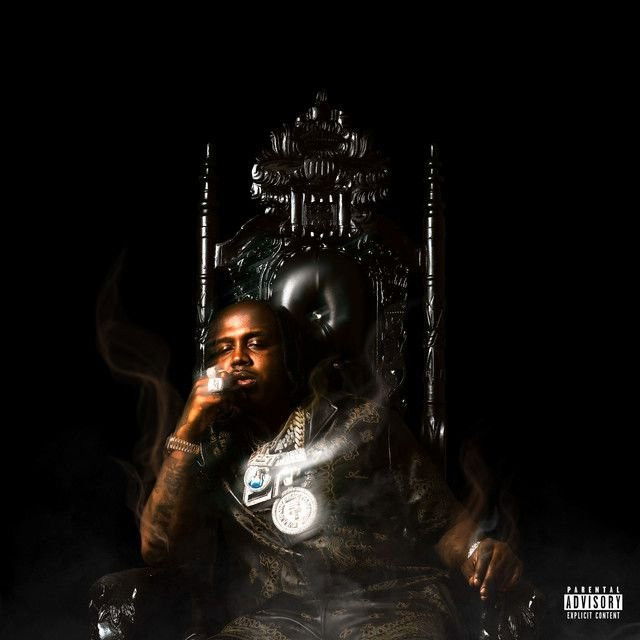
The Realest by EST Gee, Jeezy
They don’t waste a bar. From the opening defiance to the last ad-lib, EST Gee and Jeezy turn street memory into a standard for truth. This breakdown unpacks the meaning of The Realest EST Gee, Jeezy, and how sound, story, and symbols lock together.
"The Realest" - EST Gee ft. Jeezy
Hey, hey, hey (they say life is a blessin')
If I die, I'll still go out the realest (the realest)
Loading lyrics...
Unable to load lyrics
We're unable to display the lyrics at this time. Please try again later.
What the Meaning Really Says
At its core, the track defines authenticity as action under pressure, not online posture. When EST Gee declares If I die, I’ll still go out the realest
, the claim is about legacy—what remains when the noise fades.
Interpretation: Realness here means honoring a code (loyalty, discretion, consequence) and converting risk into results, repeatedly and precisely. The song rejects clout-chasing and insists respect must come from lived proof.
Who’s Talking—and Who’s Being Addressed
Both verses speak in first person, but the audience shifts. EST Gee addresses rivals, doubters, and the algorithm age—people who need to say my name for his song
just to get clicks. He also speaks to Louisville, framing a local-to-global rise and drawing hard lines around trust.
Jeezy, a veteran architect of snow-and-stoves rap, leans toward mentees and the rap game at large. He positions himself as a benchmark, saying in effect: measure me by greats, not by fads, or as he puts it, don’t compare me to trappers
.
What Happens: A Quick Timeline
- EST Gee sets stakes: real violence isn’t for the timeline; loyalty is policed; names are currency to exploit or protect.
- He maps the grind as iteration—turning portions into profits—before widening to crew wealth:
we the mob and we rich
. - The track’s hinge is the flip motif:
Turn a split to a brick
Turn a brick into ten
Then we do it again, double back,
do it again
- Jeezy deepens the imagery with kitchens, counters, and snowfall—rituals of risk refined into discipline and scale.
- He frames ambition in legacy terms, pushing beyond local legends to historic figures and film antiheroes.
The Hook That Isn’t a Hook
There’s no pop chorus, but the refrain works like a thesis. The song opens and circles back to mortality, resolve, and grace. When ad-libs echo that life is a blessin’
, it counters the cold imagery with perspective: survival itself is success, and what you build must outlive you.
Interpretation: The non-hook hook makes the message feel carved in stone rather than sung—closer to a creed.
Symbols and Motifs, Decoded
- Bricks, splits, and flips: the grind as math and repetition, where precision equals survival.
- Kitchens, stoves, forks: craft tools; the studio and the trap mirror each other as places where raw input becomes value.
- Snowfall: Jeezy’s long-running Snowman persona reframed as seasonal inevitability—if it’s winter, he dominates.
- Boats and kayaks: going against the grain leads to capsizing; choose current wisely or pay the price.
- Cropped pictures and chains: control the frame; what doesn’t fit the code is edited out. A chain that threatens consequences signals boundaries you cross at your own risk.
- Air 1s and Nissan rides: humble, tactile details that keep the narration grounded in the real.
Together, these images sketch a code: protect the circle, measure twice, flip again. The glow-up matters only if the foundation holds.
How the Beat Sells the Code
The production sits in a dark, mid-tempo trap pocket: sub-heavy 808s, flickering hats, a cold, almost icy loop. The FOREVEROLLING tag stamps provenance and mood at once—grim, efficient, unsentimental.
EST Gee’s voice is low and steady, like a foreman calling plays; Jeezy’s gravel adds veteran gravity. The mix leaves space for flexes to land but never turns euphoric. That restraint underlines the thesis: results over spectacle.
Pride, Place, and Pressure
EST Gee ties identity to Louisville, asserting he made outsiders look twice. That local pride isn’t just geography—it’s proof that standards travel. Jeezy scales the same idea into legacy talk: if the names you invoke are global, your yardstick should be, too.
Interpretation: The song positions regional authenticity as compatible with big-league ambition. You don’t trade codes for reach; you export them.
Other Ways to Hear It
- Cautionary ledger: The images of charges, losses, and time served suggest a warning label beneath the boasts. The flips may profit, but every flip carries risk.
- Industry memo: Lines about having to
say my name for his song
read as a critique of an attention economy where controversy outperforms craft.
Both readings fit because the track never breaks its calm. It’s not frantic; it’s procedural.
Takeaway You Can Hear
If there’s a single meaning of The Realest EST Gee, Jeezy, it’s that realness is repetition under rules. Build, protect, and refine—then do it again. Or, as they frame it, they’ve came too far to just quit
.
Disclaimer: Song interpretations are subjective. This analysis reflects one informed reading based on lyrics, performance, and production choices.









