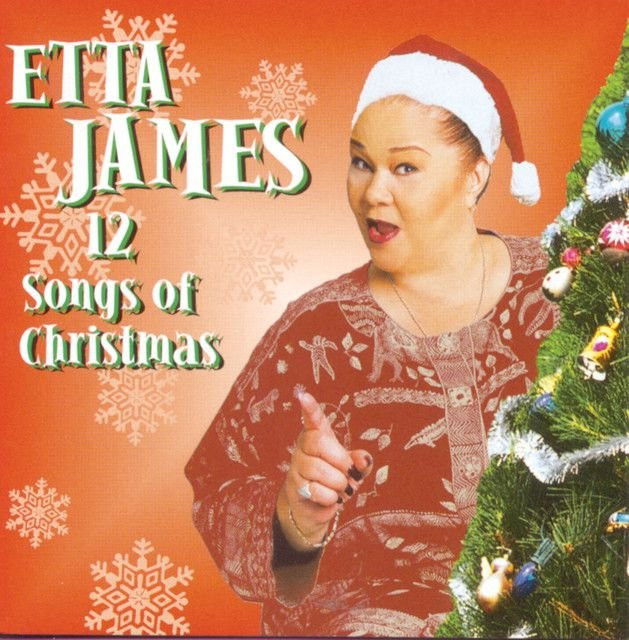
Why Etta James Makes “O Holy Night” Feel Human
When people search for the meaning of O Holy Night Etta James, they are usually hearing more than a Christmas standard. They are hearing a song about spiritual rescue, awe, and relief after long suffering. In Etta James’s hands, that message feels especially grounded because her voice carries both strength and weariness.
"O Holy Night" - Etta James
It is the night of the dear Saviour's birth
Long lay the world in sin and error pining
Loading lyrics...
Unable to load lyrics
We're unable to display the lyrics at this time. Please try again later.
Though “O Holy Night” long predates her version, James brought to it the depth of a singer shaped by gospel, blues, soul, and hard-won life experience. According to her career overview on Wikipedia, she was raised in the church, trained early as a singer, and became known for a powerful contralto that could bridge genres. That background matters here: they do not sing this carol as decoration. They sing it as testimony.
A Christmas Song About Hope After Despair
At its core, “O Holy Night” tells a Christian story of a broken world interrupted by divine hope. The opening image, stars are brightly shining
, sets a scene of wonder, but the lyric quickly moves to human pain. The song says the world had been lost in moral failure and longing for a long time before change arrived.
That is why the key emotional turn comes with a thrill of hope
. The phrase is brief, but it carries the whole song’s message. Hope is not presented as mild comfort. It lands like a shock, as if exhausted people suddenly believe morning can come.
Interpretation: In Etta James’s version, this hope sounds less polished and more lived-in. Their voice suggests that faith is powerful precisely because despair has been real.
Watch the official O Holy Night
music video
The Big Idea Behind the Chorus
The chorus centers on humility, worship, and surrender. When the song says fall on your knees
, it is not just giving a physical instruction. It frames the moment as one so overwhelming that ordinary language is no longer enough.
That feeling builds toward O night divine
, which turns one night into a symbol. The night matters not simply because a birth happened, but because it marks a turning point between old suffering and new possibility.
Fall on your knees
O hear the angels’ voices
O night divine
Even in this famous section, the meaning is larger than celebration. The song treats holiness as something that changes history and asks for a response. In James’s performance, that response feels deeply emotional rather than distant or ceremonial.
How the Verses Move From Darkness to Dawn
The writing follows a simple but powerful arc:
- The world begins in spiritual and emotional need.
- A savior arrives and changes the meaning of that suffering.
- People respond with joy, reverence, and expectation.
- Night gives way to a new morning.
That final image matters. When the lyric points toward a glorious morn
, it connects Christmas to renewal. The song is not only about one sacred event in the past. It is also about the promise that despair does not get the last word.
This is one reason the song has endured for generations. It speaks to listeners who are religious, but also to anyone drawn to stories of light breaking into hard times.
What Etta James Adds to the Meaning
Etta James did not write “O Holy Night,” but her artistry changes how many listeners receive it. She was famous for emotionally direct singing across R&B, blues, jazz, gospel, and soul. The Rock & Roll Hall of Fame has described her as one of the greatest voices of her century, which helps explain why even familiar material can sound newly urgent when they sing it.
James’s voice is never fragile in a simple way. It is earthy, textured, and commanding. In a song like this, that vocal grain is important. A smoother singer might emphasize heavenly beauty first. James often makes listeners feel human need first, and then transcendence.
Interpretation: That shift is the heart of the meaning of O Holy Night Etta James. Their performance makes the song feel less like background holiday music and more like a cry answered by grace.
Sound, Style, and Spiritual Weight
The arrangement of “O Holy Night” usually depends on slow build, sustained chords, and a dramatic rise into the chorus. In that setting, James’s delivery becomes the main storytelling tool. They stretch key words, lean into pauses, and let the emotional climb do as much work as the literal text.
That approach fits her musical history. James grew up with gospel roots and later became a defining soul and blues interpreter. So even when singing a sacred standard, they bring a sense of phrasing shaped by testimony, pain, and release.
Listeners may also notice how the song balances intimacy and grandeur. The imagery is cosmic, but the feeling is personal. James helps close that gap. They make a huge religious message sound close enough to touch.
Why the French Verse Matters Too
Some versions include the original French text, written from the same devotional perspective. Its presence reminds listeners that “O Holy Night” is not just a modern American carol but part of a longer international tradition. The French lines keep the focus on redemption, human need, and deliverance.
That broader history gives James’s version extra weight. A singer known for crossing musical boundaries steps into a song that has already crossed languages, cultures, and generations.
Why This Performance Still Connects
The reason this song lasts is simple: it speaks to weary people. It acknowledges hardship, then insists that renewal is possible. Etta James amplifies that message because their voice sounds like it understands both halves of the story.
So, the meaning of O Holy Night Etta James comes down to this: it is a song about hope entering a wounded world, sung by an artist whose voice makes that hope feel earned. They do not erase the darkness. They sing through it until the light feels believable.
Interpretation disclaimer: Song meaning can never be fully fixed. This reading is based on the lyrics, the song’s Christian context, and Etta James’s performance style and career history.









