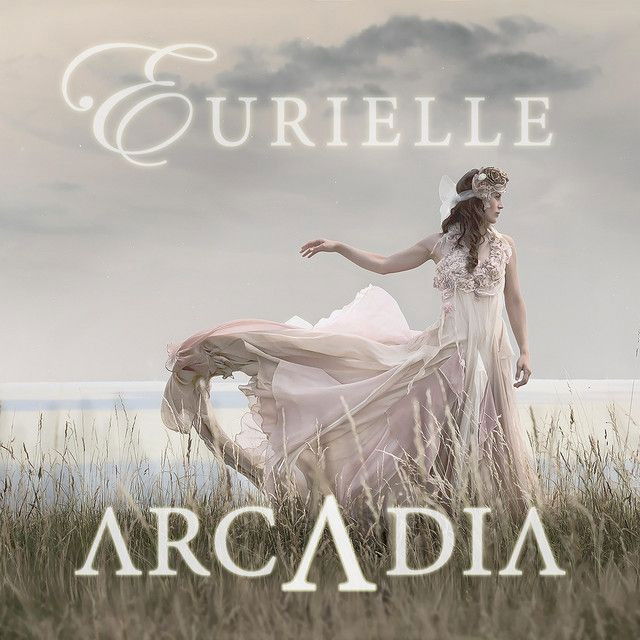
What "City of the Dead" Really Means
The meaning of City of the Dead Eurielle centers on fear that feels bigger than the body. The song presents a speaker trapped inside a collapse of mind, memory, and spirit. Rather than telling a detailed story with characters and places, it turns panic into a dark, almost sacred landscape.
"City of the Dead" - Eurielle
I feel like I'm running but getting nowhere
Fear is suffocating me, I can't breathe
Loading lyrics...
Unable to load lyrics
We're unable to display the lyrics at this time. Please try again later.
They hear a song about inner torment made to sound mythic. Eurielle’s style often leans cinematic and neoclassical, and that matters here: the music makes private fear feel like an end-of-world vision. The result is a track that can be read as psychological, spiritual, or both.
A Descent Framed as a Journey
From the start, the lyrics place the threat inside the self. The speaker is not mainly afraid of an outside enemy. They are afraid of what's inside my head
, which points to intrusive thoughts, buried pain, or a mind turning against itself.
That fear quickly becomes physical. The song describes suffocation, drowning, fever, and poison. In plain terms, it treats emotional distress as something the body can feel in the lungs, blood, and nerves. This is why the track feels so immediate: it does not describe sadness from a distance; it sounds lived-in and urgent.
The central image arrives when white light fades to red
. That moment suggests a shift from safety to danger, or from life to a hellish mental state. Then comes the title image, city of the dead
, which feels less like a real location and more like the final stage of that descent.
Watch the official City of the Dead
music video
What the Lyrics Seem to Mean
Interpretation: One strong reading is that the song depicts a panic spiral or mental health crisis. Phrases about running without progress and sinking deeper suggest someone trying to escape their own thoughts but failing. The song’s logic is circular, as panic often is.
Interpretation: Another reading is spiritual judgment. The text does not only fear death; it fears reckoning. That gives the song a religious gravity that separates it from a standard dark-pop or fantasy track.
A short passage captures both bodily fear and loss of control:
I can't breathe
I'm sinking deeper
Even in two brief lines, the pattern is clear. The speaker feels trapped, and each attempt to resist only pushes them further down.
Why the Latin Matters So Much
One of the most striking features is the use of Latin from the Requiem mass. The lines Rex tremendae majestatis
and Quantus tremor est futurus
come from long-standing liturgical texts associated with awe, judgment, and mercy, as documented in standard references on the Requiem and the Dies Irae. That context deepens the song’s emotional world.
In simple terms, these phrases bring in the language of final judgment. They suggest terror before a higher power, but also a plea for compassion. So when the song moves from personal fear to sacred chant, it widens the scale. What started as anxiety becomes a confrontation with mortality and moral dread.
This blend is key to the meaning of City of the Dead Eurielle. The speaker is not just overwhelmed; they seem to feel condemned, watched, or spiritually exposed.
Sound, Scale, and the Feeling of Doom
Eurielle is known for ethereal, orchestral music on her official artist site and streaming profiles such as Spotify. That style shapes how this song lands.
The production likely relies on swelling strings, choir textures, and thunderous percussion, all of which are common to cinematic neoclassical music. Whether listeners call it dark fantasy, soundtrack-inspired pop, or symphonic crossover, the effect is the same: the arrangement turns private suffering into ritual drama.
That matters because the song’s images are intense. If they were sung over a small acoustic track, they might feel confessional. Here, they feel apocalyptic. The music tells listeners that this is not a passing bad mood. It is a full descent into a nightmare state.
Symbols That Hold the Song Together
Several motifs repeat and connect the whole piece:
- Breath: losing air suggests panic and helplessness.
- Water: drowning implies being overtaken by emotion.
- Blood and fever: pain moves through the body, not just the mind.
- Color shift: white to red marks innocence turning to danger.
- The city: a symbolic realm of death, guilt, or psychic ruin.
The song also uses memory flashes and lost time. Those details hint at trauma or disorientation. They make the speaker sound detached from normal reality, as if they are slipping between life, dream, and judgment scene.
Who Wrote It and Why Credits Matter
Based on the information provided, the song was written by Lauren Walker and Ryan Laubscher. That is the clearest factual credit available here. No confirmed producer, album, or release date was supplied in the prompt, so those details should be treated cautiously unless verified through official credits.
Knowing the writers matters because the song feels carefully built. Its emotional path is not random. It moves from internal fear, to physical collapse, to sacred terror, and finally to near-total submission.
The Big Takeaway for Listeners
The meaning of City of the Dead Eurielle is ultimately about what happens when fear becomes a whole world. They hear a speaker crossing from anxiety into something that feels like death, judgment, or total inner ruin. The song’s power comes from how it merges mental suffering with religious and cinematic imagery.
That is why it lingers. It does not just say, “I am afraid.” It imagines fear as a place one can enter and struggle to leave.
Disclaimer: This interpretation is based on the lyrics provided, known liturgical references, and Eurielle’s established style. Song meaning can remain open, and listeners may hear different layers in it.









