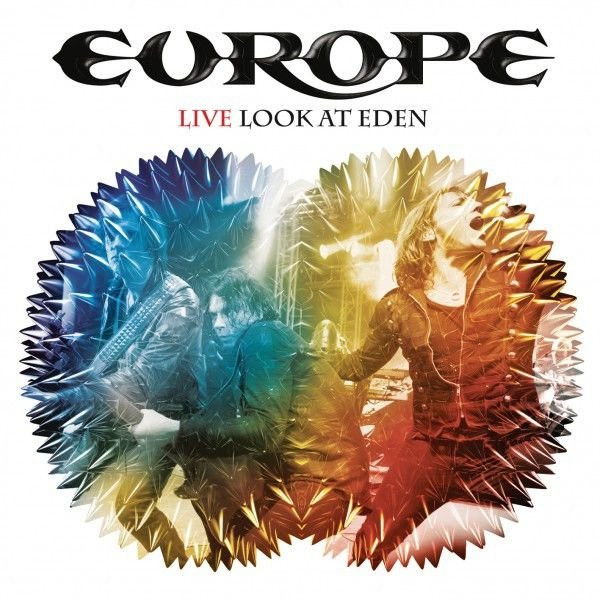
Why 'Rock the Night' Still Hits Hard
The meaning of Rock the Night Europe is bigger than a simple call to party. At its core, the song turns pressure, boredom, and emotional overload into a loud, collective release. Europe package that idea in a chorus built for arenas, but the verses show why that release matters in the first place.
"Rock the Night" - Europe
I've gone through changes
I've gone through pain
Loading lyrics...
Unable to load lyrics
We're unable to display the lyrics at this time. Please try again later.
Written by Joey Tempest, the song began in 1984 and first appeared in one form in 1985 before a more famous 1986 version helped carry Europe’s The Final Countdown era to a wider audience. That history matters because the song sits between hard rock grit and pop-metal polish, which shapes how listeners hear its message.
More Than a Party Chant
On the surface, the song sounds direct: the answer is to rock the night
until dawn. But the opening lines set up a different emotional starting point. The speaker has been through changes and pain, and they are trying not to lose control. In other words, the night out is not random fun. It is relief.
That is why the song keeps returning to the idea that it ain't easy
. The problem is not just sadness. It is restlessness. They feel under-stimulated, boxed in, and unsure what they even want. The repeated question about desire suggests someone who is searching for a spark, not just filling time.
Interpretation: The song presents rock music as a coping tool. It does not solve life in a deep, permanent way, but it gives shape to raw emotion and turns confusion into movement.
Watch the official Rock the Night
music video
The Verses Build a Pressure Point
The first verse matters because it frames the chorus as an outlet. Phrases like gone through pain
and feeling rage from head to toe paint a person near their limit. They are not passive. They are charged up, almost ready to explode.
Then the song shifts from private feeling to public release. The key conflict is not only pain; it is the dead feeling of running out of thrills
. That line makes the song feel very 1980s hard rock: excitement is treated like a need, and stagnation feels dangerous.
In the second verse, the speaker sounds more self-aware. They know their limit and say they can pull the brake
when things go too far. That detail keeps the song from sounding fully reckless. It suggests someone who flirts with excess but still wants control.
How the Chorus Rewrites the Mood
Once the chorus arrives, the song stops analyzing and starts commanding. The line about going until early in the morning light
turns the night into a full emotional reset. Darkness becomes freedom, and morning becomes proof that they made it through.
This is why the chorus feels so satisfying. The verses describe tension without a clear answer. The hook gives one: play louder, stay out longer, and let the body outrun the mind.
Rock now, rock the night
'Til early in the morning light
That short refrain is simple, but simplicity is the point. Europe reduce a messy emotional state into a chant that a whole crowd can share.
Sound Matters as Much as the Words
Facts about the track help explain its power. According to available release history, Joey Tempest wrote the song in 1984, and Europe issued a rawer 1985 version before a more polished 1986 version produced by Kevin Elson pushed it internationally. The song later reached the Top 10 in several European countries and peaked at No. 30 on the US Billboard Hot 100. Those details are documented in major reference sources, including the song’s release summary and chart history on Wikipedia.
Musically, that two-version story fits the meaning. The earlier cut is heavier and more metallic. The later version is cleaner, brighter, and more anthemic. The polished mix makes the song feel less like a private outburst and more like a stadium-wide invitation.
The band lineup also shapes that feeling: Joey Tempest’s high, urgent vocal; John Norum’s guitar attack; Mic Michaeli’s synthesizers; and Ian Haugland’s driving drums all push the track forward. The drums and guitar make the song feel physical, while the keyboard sheen gives it lift. Together, they create the rush the lyrics are asking for.
Two Strong Readings of the Song
Reading One: Escape Through Music
The most obvious reading is that the song is about blowing off steam. Pain and confusion build up, and rock becomes the healthiest available release. In that view, the night is not about self-destruction. It is about surviving stress through sound, motion, and community.
Reading Two: A Portrait of 1980s Restlessness
Interpretation: The song can also be heard as a snapshot of 1980s arena-rock culture, where excitement itself became a kind of medicine. The fear is not only suffering. It is emptiness. If life feels flat, louder music and longer nights promise intensity.
That reading helps explain why the song still works. Even for listeners who are not living the 1980s rock lifestyle, the need underneath it is familiar: when life feels dull or overwhelming, people look for something that makes them feel awake again.
Why the Song Endures
The meaning of Rock the Night Europe lasts because it is built on a simple emotional truth. People often hit a point where thinking is not enough. They need release, noise, motion, and other people around them.
Europe turn that need into an anthem without making it overly complicated. The result is a song that feels immediate, loud, and human.
Disclaimer: This interpretation mixes documented song history with informed reading of the lyrics and sound. As with any song, listeners may hear different meanings in it.







