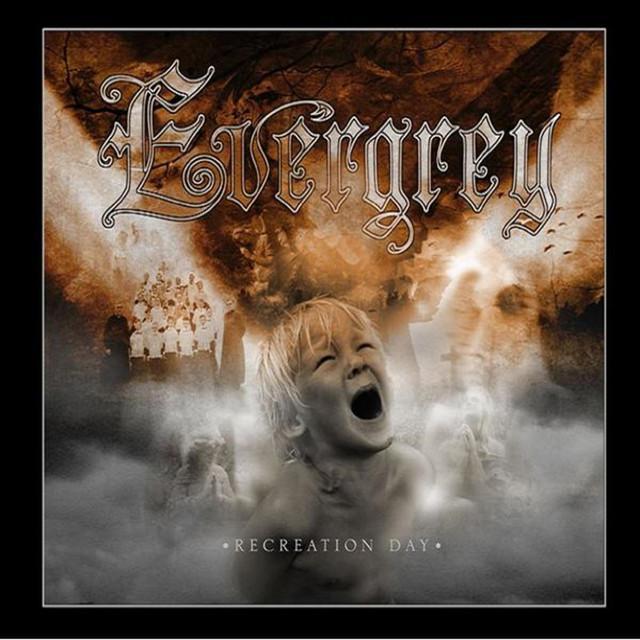
Why Evergrey's 'Recreation Day' Cuts Deep
Evergrey's "Recreation Day" sounds heavy because its subject is heavy. At the center of the meaning of Recreation Day Evergrey is a person trying to live after loss, while grief keeps resetting the day before it can truly begin.
"Recreation Day" - Evergrey
Small progress seems futile
But is as valuable as life
Loading lyrics...
Unable to load lyrics
We're unable to display the lyrics at this time. Please try again later.
The song is the title track from Evergrey's 2003 album Recreation Day, the band's fourth full-length release. According to the album's documented overview, the record's lyrics deal mainly with personal reformation, which gives this song a clear thematic frame: it is about rebuilding the self, not simple recovery (Wikipedia).
A Morning That Feels Like Starting Over
The key idea arrives early. The narrator admits that slow healing can feel useless, even when it still matters. That tension shapes the whole track: progress is real, but it does not feel dramatic enough to defeat pain.
When the lyric says small progress seems futile
, it captures a common grief experience. People can be moving forward and still feel stuck. The song does not treat healing as inspiring or neat; it treats it as work.
That leads into the title phrase. In this song, "recreation" sounds less like leisure and more like re-creation. Each day demands that the speaker build themselves again from damaged parts.

Watch the official Recreation Day
music video
Grief as a Controlling Force
One of the song's strongest images turns sorrow into a binding relationship. The narrator says they are engaged to longing
, with grief acting like a permanent commitment rather than a passing mood.
That metaphor matters because it shows how sorrow has become structured and intimate. It is not just visiting them. It is shaping their identity, their mornings, and their choices.
A second short phrase makes this even clearer: controlling me, denying me
. In plain terms, the song suggests grief steals freedom. It controls the inner life and denies the person access to peace, closure, or even a stable sense of self.
What the Chorus Really Means
The chorus is simple, but it carries the song's emotional weight. The line my every morning
turns grief into routine. This is not a one-time breakdown; it is a daily condition.
Then the title phrase lands: the beginning of a recreation day
. Interpretation: the song implies every sunrise brings another forced act of reconstruction. Morning is supposed to signal renewal, but here renewal is exhausting. The person is not waking into hope. They are waking into labor.
That twist is what makes the chorus memorable. Many songs use a new day as a positive symbol. Evergrey flips that symbol and shows how even "starting fresh" can feel painful when mourning still rules the mind.
A Timeline of Pain, Not a Plot Twist
There is not much external story here. Instead, the song traces an inner cycle:
- The speaker recognizes tiny progress.
- They confess they remain bound to longing and sorrow.
- Each morning restarts the struggle.
- Time passes, but grief still dominates.
- Guilt deepens the suffering.
That fourth step is especially important. The lyric says time heals
, but the song immediately pushes back on that old saying. Healing may be possible, yet mourning still reigns. That contradiction gives the track its realism.
Guilt, Debt, and Emotional Punishment
Beyond grief, the song also explores guilt. The narrator wonders whether they are somehow in debt, but they cannot even name what is owed. That is a powerful way to describe irrational self-blame after loss.
Interpretation: this could reflect survivor's guilt, unresolved regret, or the feeling that no amount of suffering can repay what has happened. The song never states the exact event, and that ambiguity helps it reach wider emotional truths.
By keeping the source of pain vague, Evergrey lets listeners fill in their own experience. Death, separation, trauma, or depression could all fit. What matters is the emotional pattern: fear becomes normal, and sorrow becomes familiar enough to seem like the only reality.
Why the Music Makes the Meaning Hit Harder
The song's meaning is not only in the words. It is also in how Evergrey delivers them. The band is commonly described as progressive metal and power metal on this album, and the record was produced by Tom S. Englund and Henrik Danhage (Wikipedia).
That matters because the arrangement mirrors the lyric's tension. Heavy guitars give the song weight, while keyboards add atmosphere and unease. Tom S. Englund's vocal style sounds strained and human rather than distant, which suits a lyric built on daily emotional pressure.
The title track's music is credited to Englund, Danhage, and Rikard Zander, whose keyboard presence became a defining part of this era of the band (Wikipedia). The result is a sound that feels both crushing and melodic, like a person trying to hold shape while falling apart inside.
Where the Song Sits in Evergrey's World
As the title track, "Recreation Day" feels central to the album's identity. The record followed In Search of Truth and arrived in 2003 through Inside Out Music, later reissued in 2018 by AFM Records (Wikipedia).
That context supports the reading that this is one of Evergrey's clearest statements about inner transformation. Not triumph, exactly, but painful remaking. The band does not promise a cure. They describe endurance.
Final Take on the Meaning of Recreation Day Evergrey
The meaning of Recreation Day Evergrey is about grief as a daily rebuilding process. The song shows a person who keeps going, even while sorrow, fear, and guilt still shape each morning.
Its power comes from that honesty. It does not glamorize suffering or rush toward closure. Instead, it suggests that survival itself can be the act of re-creation.
Disclaimer: This interpretation is based on the lyrics, album context, and musical presentation. As with many Evergrey songs, listeners may connect with different shades of meaning.








