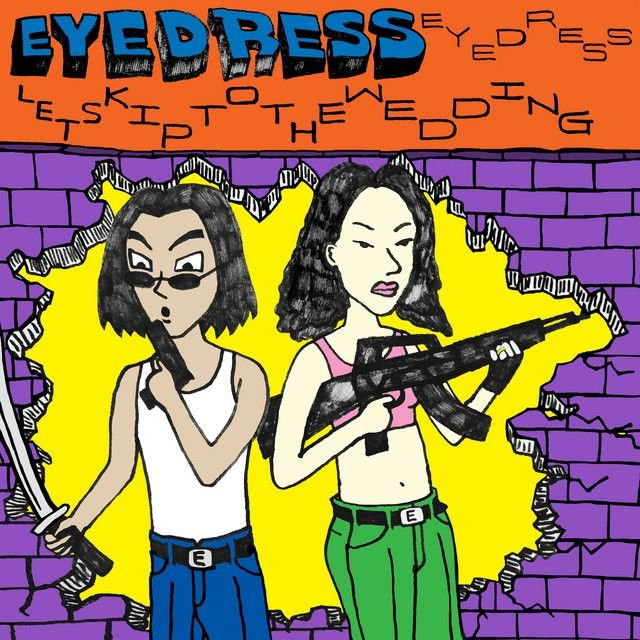
Can I See You Tonight? by Eyedress
The meaning of Can I See You Tonight? Eyedress comes down to a simple but relatable feeling: they want to be close to someone now, and they hope that closeness can turn into something lasting. The song is short, repetitive, and emotionally direct. That is exactly why it lands.
"Can I See You Tonight?" - Eyedress
Can I see you tonight?
Can I see you tonight?
Loading lyrics...
Unable to load lyrics
We're unable to display the lyrics at this time. Please try again later.
Eyedress, the project led by Idris Vicuña, often works with dreamy, lo-fi textures and intimate songwriting. Here, that style supports a love song that feels almost like a text message turned into a mantra. Rather than hiding behind clever wordplay, they keep asking one vulnerable question.
A Small Question With Big Emotional Weight
On the surface, the song is about wanting to see someone at night. But the hook is more than a request to hang out. When they repeat Can I see you tonight?
, it sounds like a person trying to calm their nerves while asking for reassurance.
That repetition matters. It suggests excitement, but also insecurity. They are not fully confident. They want contact, affection, and a sign that the other person feels the same.
Interpretation: The song captures the moment when a crush stops being casual and starts to feel emotionally risky. The speaker is no longer just admiring someone from afar. They are stepping forward and asking for real access to that person's life.

Watch the official Can I See You Tonight?
music video
From Attraction to Attachment
The verses make the emotional arc clearer. At first, they focus on admiration, saying they like the other person's style
and vibe
. Those details are important because they show attraction beginning with presence and energy, not just appearance.
Then the song deepens. Instead of staying in flirtation, they imagine physical comfort and steady companionship. Phrases like in your arms all night
point to safety and closeness, not just desire.
Later, the writing becomes even more revealing. They say I want to be your friend
and then admit they want more than friendship. That shift gives the song its emotional center. They are not only chasing a romantic fantasy; they are hoping for a relationship built on intimacy, trust, and everyday life.
Why “Tonight” and “Tomorrow” Matter
One of the smartest parts of the lyric is the movement from the present into the future. The title question stays focused on tonight, but then the song reaches toward tomorrow
. That one word changes the stakes.
Tonight represents impulse, longing, and immediate connection. Tomorrow represents proof. If someone still wants them tomorrow, then the feeling is real.
That is why the final question about love lasting into the next day hits harder than the opening hook. It turns a late-night invitation into a deeper fear: what if this closeness only exists in the moment?
Will you love me tomorrow?
Tomorrow, tomorrow
This is the song's emotional pivot. They begin by asking for time together and end by asking whether affection can survive daylight, routine, and the future.
The Narrative in Three Quiet Steps
The song is short, but it still tells a clear story:
- They feel drawn to someone and admire their energy.
- They ask to be together tonight and imagine physical closeness.
- They reveal they want something lasting, not temporary.
Because the song is so stripped down, each step feels easy to follow. There is no subplot and no twist. The drama comes from emotional escalation.
How the Minimal Writing Helps the Meaning
A big part of the meaning of Can I See You Tonight? Eyedress is how plain the language is. The song avoids complex imagery. That can make it seem almost childlike at first, but the simplicity serves a purpose.
When people are nervous, they often repeat themselves. They circle the same thought because they cannot fully control the feeling. This song mirrors that pattern. The repeated lines sound like overthinking, hope, and vulnerability all at once.
Interpretation: The minimal lyrics may reflect a mind stuck on one person. They cannot move past the question because the answer matters so much.
How the Sound Carries the Emotion
Even without dense lyric writing, the production helps tell the story. Eyedress is known for hazy, home-recorded textures and a soft-focus indie sound, a style discussed across artist profiles and coverage of their catalog, including Spotify's artist page and Apple Music's biography page. That dreamy approach fits this song's emotional tone.
The instrumental feels light and intimate rather than dramatic. Instead of pushing the song into heartbreak, the music keeps it suspended in desire. The softness makes the speaker seem sincere. They are not making a grand declaration; they are quietly hoping.
That matters because the emotional power here is not intensity in the rock-ballad sense. It is closeness. The sound creates a bedroom-pop atmosphere where private thoughts can loop without embarrassment.
Artist Context Helps Explain the Song
Eyedress, written here as the project of Idris Vicuña, has built a reputation for blending lo-fi, indie pop, post-punk, and bedroom-pop moods across releases covered by sources like NME and The Fader. The songwriting often turns inward, favoring detached cool on some songs and exposed tenderness on others.
This track leans strongly toward tenderness. Given the additional context that the song was written by Idris Vicuña, the directness feels consistent with an artist who often lets mood do as much work as language.
The Lasting Meaning
So, what is the meaning of Can I See You Tonight? Eyedress? It is about wanting someone in the present while fearing that the moment may not last. The song moves from attraction to emotional dependence in just a few lines, making it feel both sweet and slightly fragile.
Its real subject is not just romance. It is uncertainty. They want closeness, but even more than that, they want confirmation that the closeness is real.
Disclaimer: This interpretation is based on the song's lyrics, structure, and publicly known artist context. Like most songs, it can support more than one valid reading.








