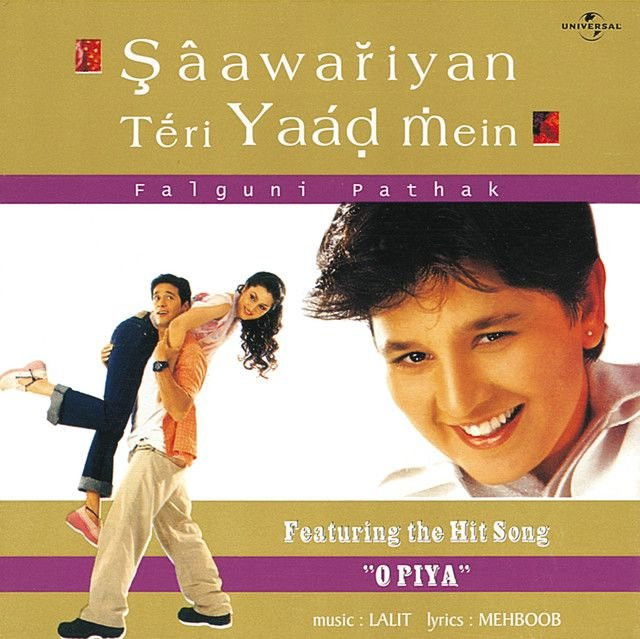
O Piya by Falguni Pathak
A love song can feel like a procession. In O Piya, Falguni Pathak turns devotion into motion—toward the beloved, toward family blessing, and toward a future imagined in color. For readers seeking the meaning of O Piya Falguni Pathak, this piece unpacks how simple images build a tender promise of union.
"O Piya" - Falguni Pathak
कालीचिं नो घाघरो ओ गुजरी सी लागे गोरी
काजर मोर मतीरा तोड़े आयो रे हरयाली पन्नो हो
Loading lyrics...
Unable to load lyrics
We're unable to display the lyrics at this time. Please try again later.
Love That Walks Toward Commitment
At its heart, the song frames love as a journey with intention. The refrain calls to the beloved by name—O piya
—and then signals readiness for marriage with le ke doliya
, the bridal palanquin. The narrator is not waiting; they are moving.
Interpretation: The doli image shifts the mood from flirtation to commitment. It suggests families, traditions, and community watching the couple step into a shared future.

Watch the official O Piya
music video
Who’s Speaking—and To Whom?
The voice is first person, intimate, and direct. When they say chalun main teri gali
(I’ll walk to your lane), the song shows a brave, public gesture of love. They choose the beloved’s world and, by extension, their customs.
This perspective makes the song feel warm and inclusive. The promise is not whispered; it’s announced like a parade.
What Actually Happens: A Simple, Clear Timeline
- A hardworking village scene opens the story, sketching a grounded heroine in fields and traditional dress.
- The narrator dreams in bold color—
saat rang ke khwab
—signaling hope beyond the present. - They declare they will walk to the beloved’s street, a symbolic crossing of distance and doubt.
- The chorus calls for the doli, turning desire into a wedding image.
- Finally, fate is invoked with
hathon ki lakeeron
, asking destiny to protect the bond.
The Chorus as Wedding Procession
The hook reframes every verse image. Work, longing, and fate all point toward a single, bright vow:
O piya, o piya le ke doliya
Chalun main teri gali
O piya ki gali to lage jag se bhali
Interpretation: The chorus says love is not just private emotion. It’s a public path—the beloved’s lane—that feels “better than the world.” The joy is communal and ceremonial.
Symbols and Folk Imagery You Can Feel
- Doli (palanquin): Marriage, family approval, shared future.
- Gali (beloved’s lane): A real street and a metaphor for joining the other’s life.
- Village fields and ghaghra: Labor, grace, and cultural roots, grounding the romance in everyday life.
Saat rang ke khwab
: Rainbow dreams—hope, plurality, and the many shades of a shared life.Hathon ki lakeeron
: Palm lines—destiny and protection against separation.
These motifs are classic in North Indian and Gujarati folk storytelling. They make the love story feel timeless rather than trendy.
How the Sound Carries the Feeling
Falguni Pathak is known for blending Indian pop with Gujarati folk, often earning the nickname “Dandiya Queen.” Her records from the late 1990s and early 2000s favor bright tempos, catchy refrains, and percussion that invites dancing. O Piya fits that mold.
Musically, the track leans on an upbeat, dandiya-lite groove with clean melodic lines and early-2000s pop sheen. The arrangement leaves space for the hook to land, and Pathak’s clear, smiling vocal sits forward in the mix. The result: a song that works as both a singalong and a wedding-leaning dance number.
Artist and Release Context
O Piya appears on Pathak’s 2001 album Saawariya Teri Yaad Mein. Her wider catalog centers on love themes and folk-pop crossovers, and she has a long reputation for high-energy Navratri performances.
Knowing this context helps decode the song’s intent. The lyrics invite community dance while affirming commitment—an ideal mix for festival stages and family events.
Alternate Readings Worth Considering
- Interpretation: A personal vow. The “walk” is literal—someone ready to meet the family, accept traditions, and formalize love.
- Interpretation: A symbolic journey. The street is a life path. Calling for the doli is a promise to build a home together, even if the marriage ritual is figurative.
Both readings align with the fate motif. Asking to be hidden in palm lines implies love that is written—meant to endure.
Takeaway: A Procession Set to Pop
O Piya turns devotion into forward motion. The beloved’s lane becomes the world’s best place, and the doli becomes a bright promise. That blend of folk image, danceable rhythm, and sincere pledge explains the lasting pull—and the enduring meaning of O Piya Falguni Pathak.
Disclaimer: Song meanings are interpretive and may differ from the artist’s own intent.







